
Last updated November 4, 2026
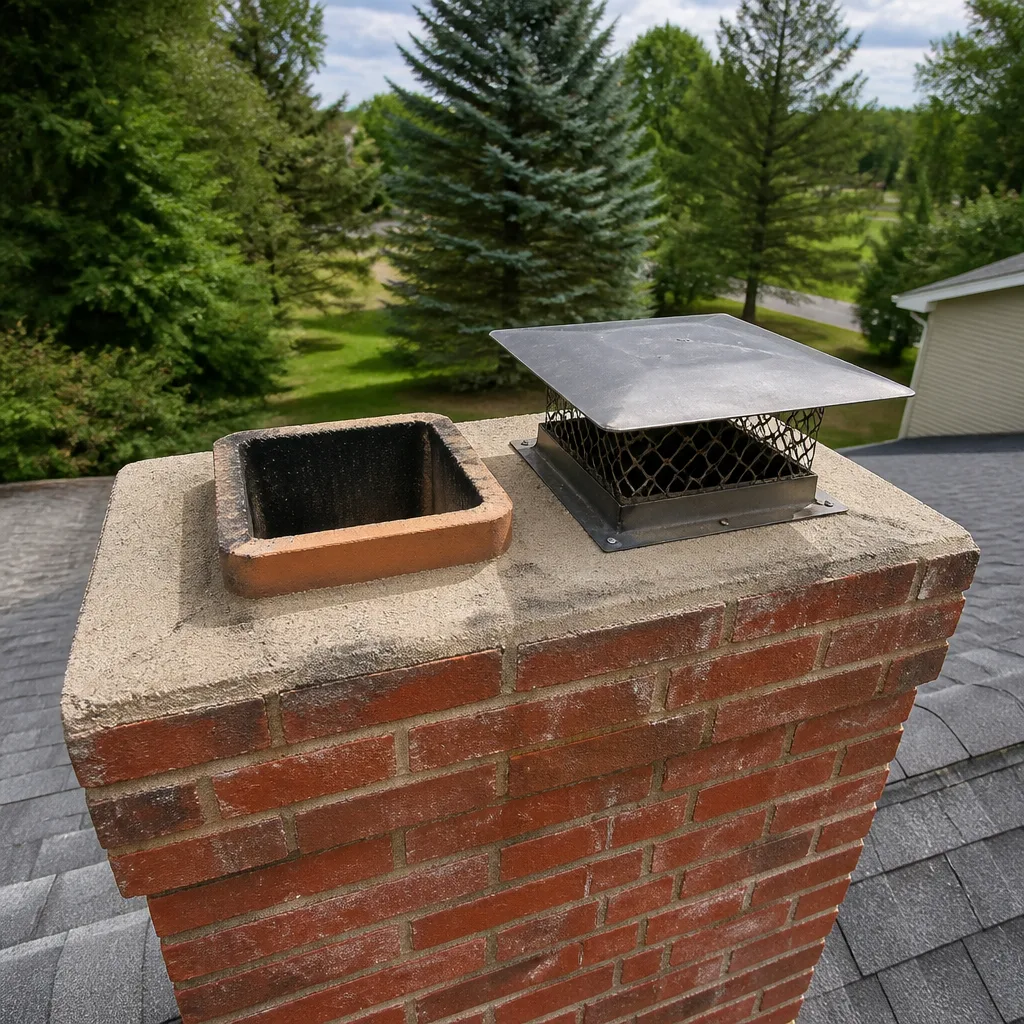 Sweep & inspection
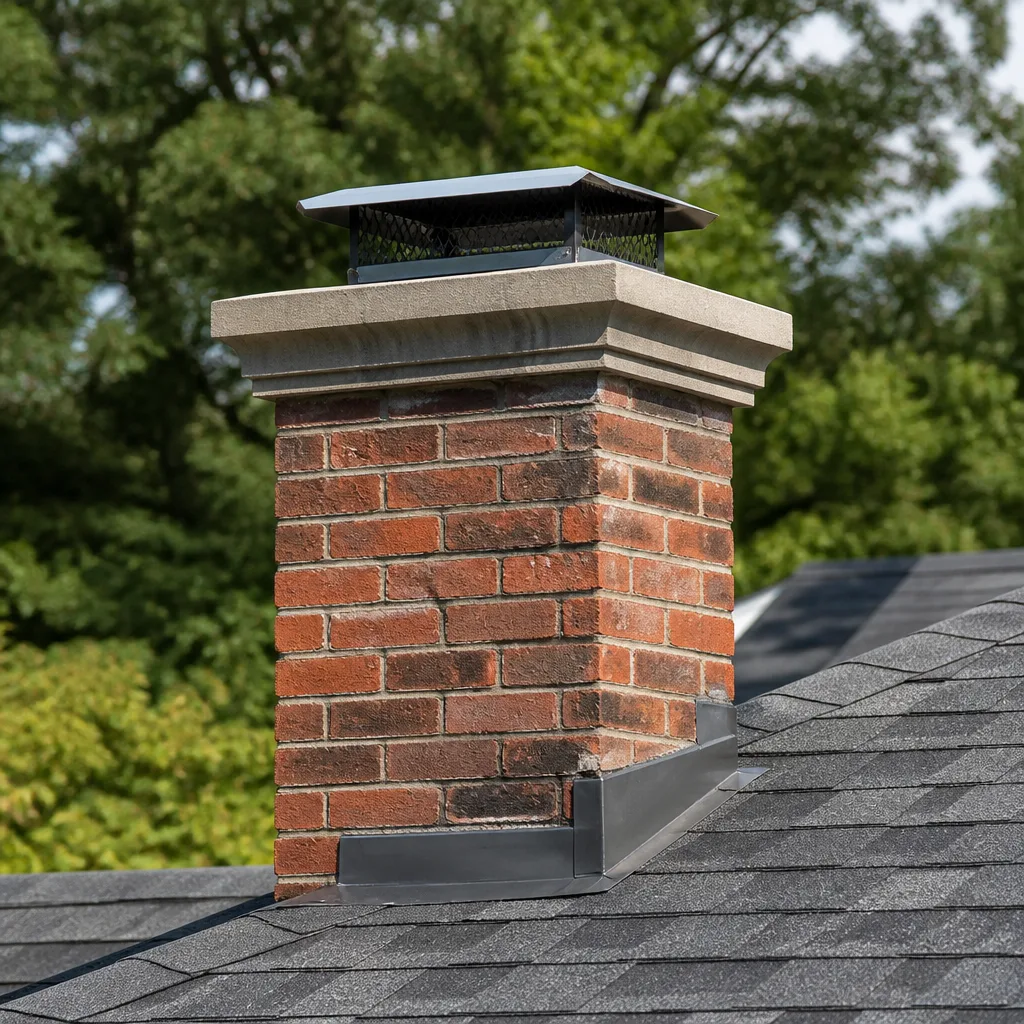 Caps & crowns
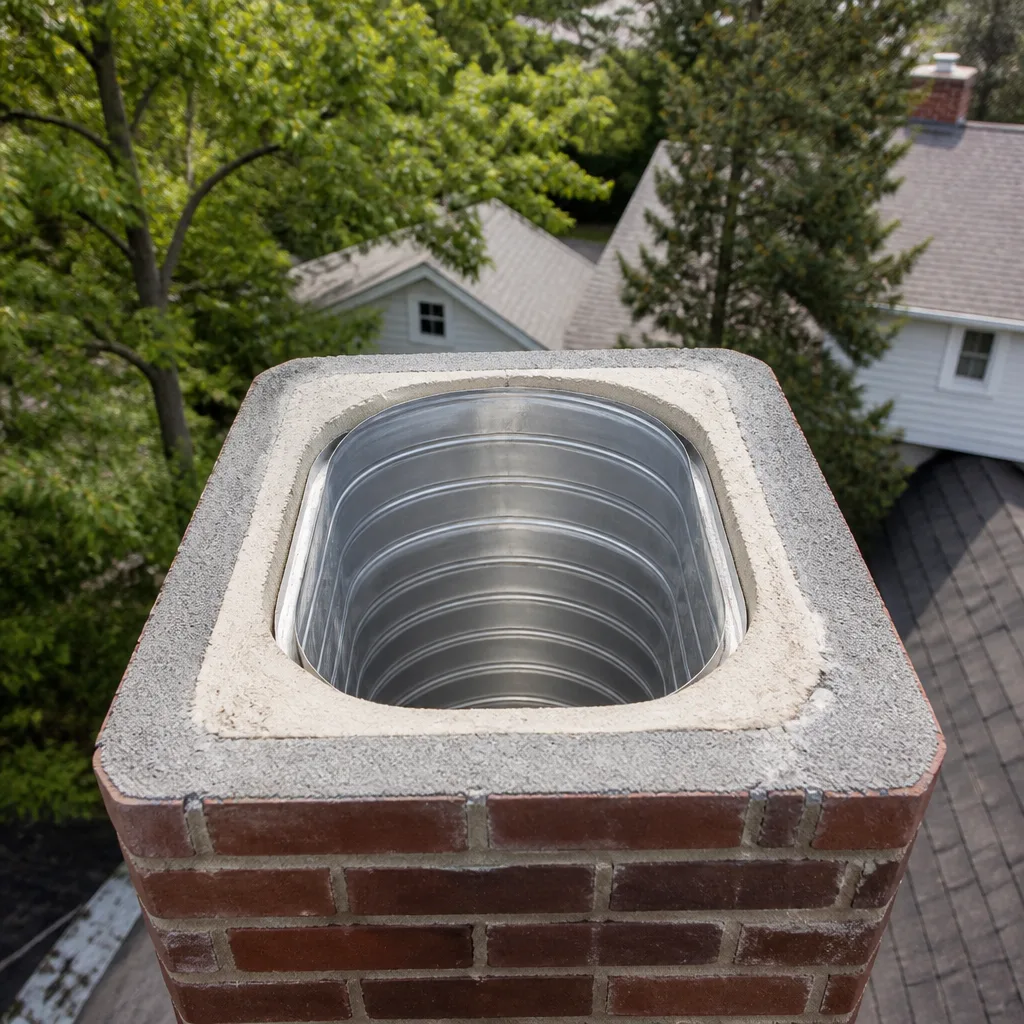 Flue relining
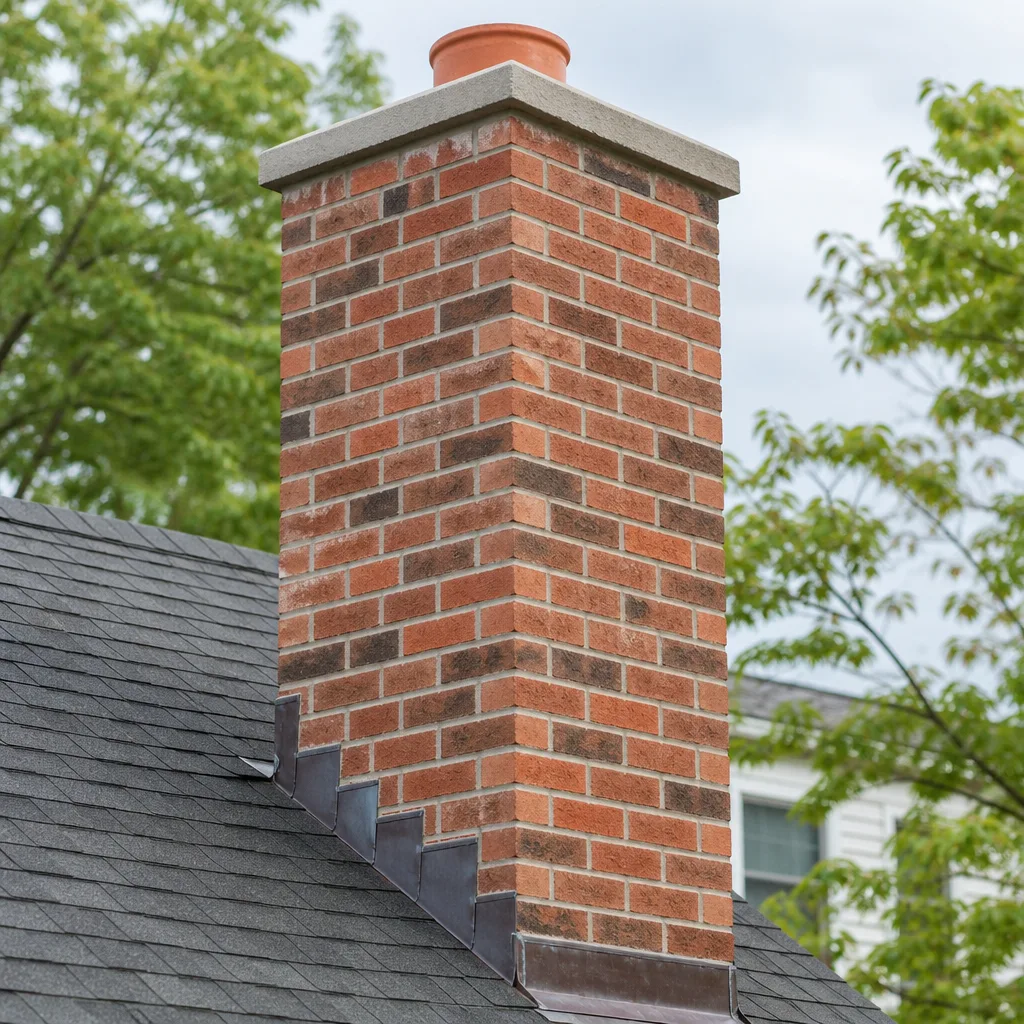 Masonry repair
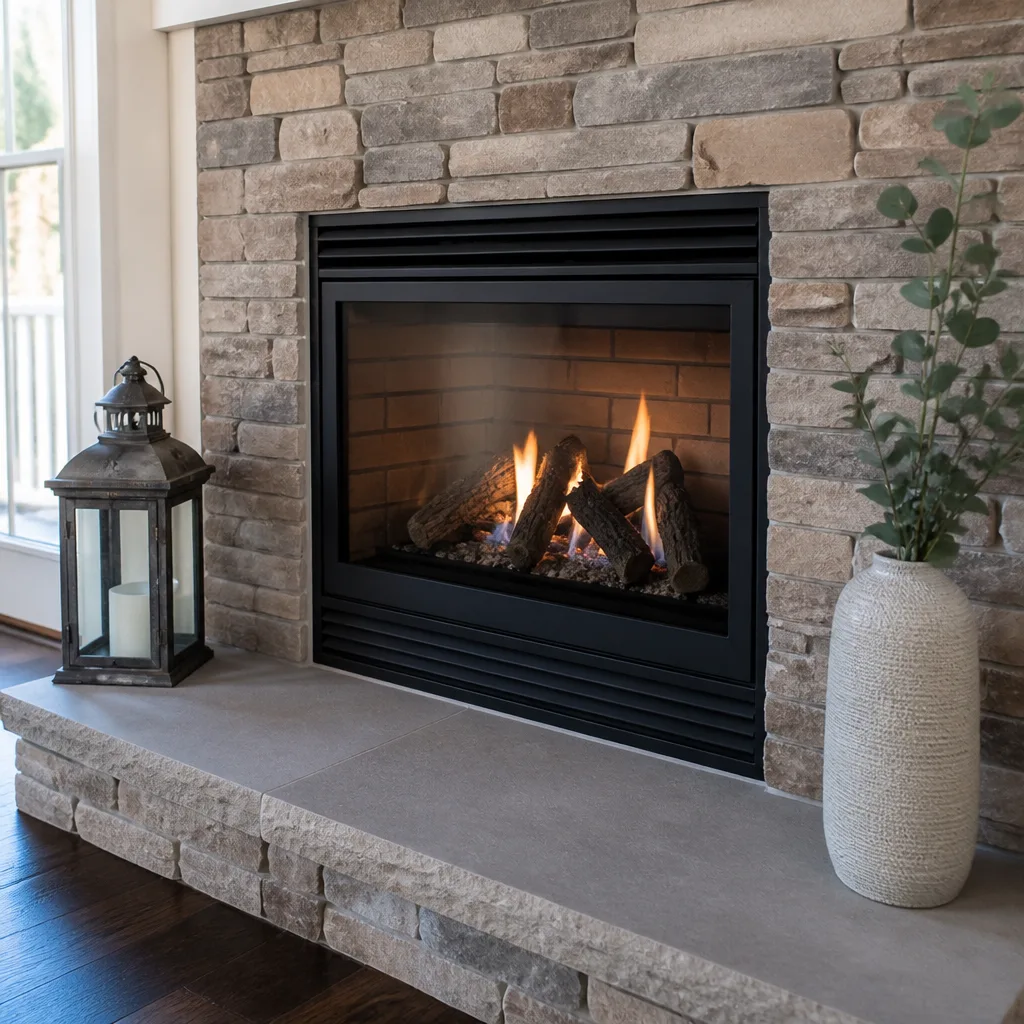 Gas fireplace service
Level 1 sweep and inspection to the NFPA 211 annual standard - flue, crown, cap, and flashing checked and photographed
Chimney sweep logs do not sweep chimneys. They loosen some creosote - which then falls where a brush and vacuum still have to collect it.
How to Hire a Chimney Cleaning Contractor in Montebello: A Step-by-Step Guide
Most homeowners don’t realize that the $49 chimney cleaning coupon flooding the greater Los Angeles area has been a documented loss-leader sales tactic for well over a decade. Every national certifying body knows about it because it works too well: the tech shows up with a shop vac, looks up the flue for three minutes, then tells you the chimney needs a $6,000 liner you can’t verify. This guide exists because that exact scenario plays out in Montebello every single heating season. What you’ll get here is a vetting script you can use on the phone before anyone steps foot in your house, plus a line-by-line breakdown of how to read the written estimate once they do.
Styles & brands we work with
- Sweep & inspection
- Caps & crowns
- Flue relining
- Masonry repair
- Gas fireplace service
Quick Answer
Hiring a chimney cleaning contractor in Montebello comes down to two phone-call questions: does the sweep include a camera inspection of the flue, and what cleaning method do they use on a first visit when the chimney’s condition is unknown? A legitimate spec-grade contractor answers yes to the camera and describes a method based on what they find, not a flat price quoted before they’ve seen anything. The contractor you want uses contractor-grade materials like Chimney Sweep Montebello‘s spec lines (DuraFlex, HeatShield, Olympia Chimney), carries verifiable liability insurance, and puts everything in writing before any work starts. Call (833) 362-8107 and you’ll get a free estimate from a team that sweeps, repairs, and cleans dryer vents under one roof.
Table of Contents
- What certifications actually matter for a Montebello chimney sweep
- The two phone-call questions that expose a coupon sweep in 60 seconds
- How the cleaning method tells you who you’re dealing with
- How to read a written chimney cleaning estimate
- Why proof of insurance matters for older Montebello masonry
- Red flags to watch for when the tech arrives
- Common mistakes to avoid when hiring
- When to call a professional
- Frequently asked questions
- The bottom line
What certifications actually matter for a Montebello chimney sweep
Here’s the uncomfortable truth about chimney sweep certifications: about half of the letters people put after their name are self-issued. You can pay a fee, take a weekend online course, and print a certificate that says whatever you want it to say. The ones that require actual testing, continuing education, and adherence to published standards are the ones worth asking about, and in Montebello that list is short.
The CSIA (Chimney Safety Institute of America) Certified Chimney Sweep credential is the one industry insiders actually respect. Earning it means passing a proctored exam built around the National Fire Protection Association’s NFPA 211 code, the same standard a municipal inspector would reference during a home sale. A tech who holds it can explain why a flue needs a certain clearance to combustibles, what size liner a given appliance requires, and what creosote stage actually constitutes a fire hazard. That is diagnostic depth, not a sticker.
The NFI (National Fireplace Institute) runs separate specialist exams in three tracks: wood-burning, gas, and pellet. A sweep who holds an NFI wood-burning or gas specialist credential has demonstrated that their knowledge base goes beyond “I can run a brush up and down.” These two, CSIA and NFI, are the ones you want to hear when you call a chimney sweep in Montebello.
What should raise your antenna instantly: certificates from product manufacturers positioned as “certifications.” A furnace, fireplace, or liner manufacturer will sell you a course that teaches you to install their specific product line. It is a training certificate, not a professional credential. It means the person knows where a bolt goes on that particular model. It says nothing about whether they understand combustion dynamics, draft, or what a Stage 3 creosote buildup looks like compared to a harmless stage 1. The same goes for any “seal” or “badge” that isn’t backed by a paper exam proctored by a recognized body.
The two phone-call questions that expose a coupon sweep in 60 seconds
You don’t need an hour-long interrogation when you’re calling around for chimney cleaning quotes in Montebello. You need two questions, asked in this order, every single time. If the answers wobble or deflect, you’re talking to a shop-vac operation and you should hang up.
- “Does the sweep include a camera inspection of the flue, and do I get to see the footage?” A spec-grade contractor sends a camera up the flue on every sweep, not just when they suspect a problem. The camera is what lets you see flue liner cracks, missing mortar joints, or a damaged clay tile in real time. If a company has no camera, they are asking you to take their word that the $4,800 liner replacement they’re recommending is necessary. You have no way to verify any of it. A company that charges extra for the camera or doesn’t own one is not doing diagnostic work, they’re doing visual estimation.
- “What cleaning method do you use for a chimney when you don’t know its history?” Here’s the test: if they answer with a flat, instant promise like “we use the triple-brush method” before they’ve seen your chimney, that’s a script. If they answer something like “we assess the creosote stage and liner type first, then choose between a rotary whip, a brush, or a chemical treatment depending on what we find,” that’s a contractor who knows what they’re doing. The correct answer always involves “it depends on what we find.”
Ask these two questions before you give them your name and address. You’ll know within sixty seconds whether the person on the other end actually sends a sweep to your house or a salesperson with a brush.
How the cleaning method tells you who you’re dealing with
A chimney cleaning is not a one-method-fits-all situation. The method that works on a 1970s wood-burning fireplace in Montebello with fifteen years of creosote is not the same method you’d use on a recently relined gas vent. A technician who reaches for the same tool every single time, regardless of what’s in the flue, is not a technician. They’re an operator with one move.
Here are the methods a legitimate, spec-grade sweep has in the truck, and when each one applies:
- Rotary whip cleaning. A spinning head attached to a flexible rod system scrubs the flue walls with nylon or poly bristles. This is the go-to method for glazed, Stage 2 or Stage 3 creosote, which is hard and baked on. It gets the flue clean without chipping or cracking older clay tile liners the way a steel brush can. If your chimney in Montebello hasn’t been swept in more than two years, a rotary whip is often the correct first call.
- Traditional wire or poly brush. For a light, fluffy Stage 1 creosote on a straight, well-maintained flue, a correctly sized brush is perfectly fine. Poly brushes are gentler on liners, steel brushes work better on stubborn deposits but can scratch or crack older fired clay. A contractor explains that tradeoff. A coupon sweep grabs whatever’s in the truck.
- Chemical treatments and creosote conditioners. These are not a substitute for mechanical cleaning, and any company that tells you a spray-on product “removes” creosote without any physical agitation is lying to you. What these products do, when used correctly, is convert hard glazed creosote into a softer, more brushable form so the mechanical sweep works better on the next visit. They’re a preparatory step, not a result.
- HEPA-filtered negative air and containment. This is the difference maker you rarely hear about in cheaper quotes. A proper sweep in Montebello should arrive with a HEPA-filtered vacuum and run it during the entire sweep. Not a shop vac with a drywall filter. HEPA filters trap the fine particulate and creosote dust instead of blowing it back into your living room. If a quote doesn’t mention dust containment, ask.
The phrase you want to hear on the phone is “we assess first, then choose the method.” The phrase you want to run from is “we always use the same method and it always works.”
How to read a written chimney cleaning estimate
The written estimate is where the good contractors and the bait-and-switch operations finally separate. A legitimate Chimney Sweep Montebello estimate in the LA area should look like a work order from a professional, not a handwritten total on carbon paper. When the estimate arrives, either in person or after the inspection, you should see line items you can understand and verify, not vague bundles that hide the profit.
Line items that should always appear
- Level of inspection. NFPA 211 defines three levels of chimney inspection. A Level 1 is a visual check of the accessible portions from the chimney top to the firebox with no special tools. A Level 2 adds camera inspection and is required any time you’re selling the home, moving, or changing the appliance. If the estimate doesn’t state which level you’re paying for, it’s incomplete.
- Cleaning method. The exact method (rotary whip, poly brush, chemical prep plus brush) should be named, not described as “standard cleaning.” That gives you something to verify when the tech arrives.
- Materials used. If the estimate includes repairs, the product brand should be on the page. Not “new liner” but the actual line: DuraFlex for a flexible liner, HeatShield for resurfacing, Olympia Chimney or Copperfield for cap and damper work, Famco for venting components, Gelco for a specific application. Brand names are independently verifiable. “Premium liner” is not.
- Labor and scope. The estimate should separate labor from materials and state what happens if the tech finds a problem mid-job. Does the price change? Does work stop for approval? Both should be in writing.
- Cleanup and disposal. Haul-away of creosote, soot, and old parts should be included or explicitly excluded. A line item that says “cleanup included” costs you nothing to include and tells you they’ve done this before.
Vague language that signals an upsell setup
The words “safety evaluation,” “comprehensive chimney package,” “recommended upgrade,” and “preventative maintenance bundle” all mean the same thing on a coupon-sweep estimate: the $49 brush job was never the point. The point was to get into your Montebello house and build a case for a liner, a cap, a damper, and whatever else the script calls for. If you can’t tell what you’re paying for by reading the estimate, you aren’t paying for a service, you’re paying for a sales call.
One more thing: a legitimate contractor offers the estimate free and sets the price in writing before work begins. No service call fee, no diagnostic charge credited back, no “we’ll do the sweep and then talk about pricing.” The sweep has a price. The repairs, if any, get a separate written estimate after the camera work is shown to you. That’s the flow.
Why proof of insurance matters for older Montebello masonry
Montebello has a lot of housing stock built before 1990, and that means a lot of chimneys with original clay tile liners, aged mortar joints, and masonry that has shifted over the decades. When a contractor works on that kind of chimney, they’re working on a structural component of your home. If a 1970s clay tile liner cracks during a sweep, the repair bill is four figures, and somebody has to pay it.
That somebody is either the contractor’s liability insurance company or you. A legitimate chimney company in California carries general liability insurance with limits that actually cover chimney damage, and they’ll show you the certificate of insurance (COI) before you sign anything. You can call the insurance company on that COI and verify it’s active. It takes five minutes.
Here’s the specific phrase that matters for Montebello homeowners: named additional insured. That means the contractor can add your name to their policy for the duration of your job, so if their work causes damage to your property, you’re covered under their policy directly, not through a subrogation fight after the fact. A company that hesitates to provide a COI or says “we’re insured, trust us” is not insured in any way that will help you.
The same goes for licensing. California requires a contractor’s license from the CSLB (Contractors State License Board) for any chimney work that goes beyond simple sweeping. A CSLB license means the contractor has passed a trade and law exam, carries a bond, and has a public record you can search. If the company’s license number isn’t on their website, truck, or estimate, that’s not an oversight. That’s a decision.
Red flags to watch for when the tech arrives
Most Montebello homeowners decide whether to hire a chimney sweep on the phone, then stop evaluating once the tech arrives. That’s a mistake. The arrival is where you get your last and best look at what kind of operation you’re dealing with. Here’s what to watch for, before the first brush goes up the flue.
- No drop cloths or floor protection. A professional sweep lays down canvas drop cloths in front of the fireplace and along the path from the front door to the work area. The job generates soot, creosote dust, and tracked-in debris. No drop cloths in the truck means no protection for your floors, and a cleanup fight after they leave.
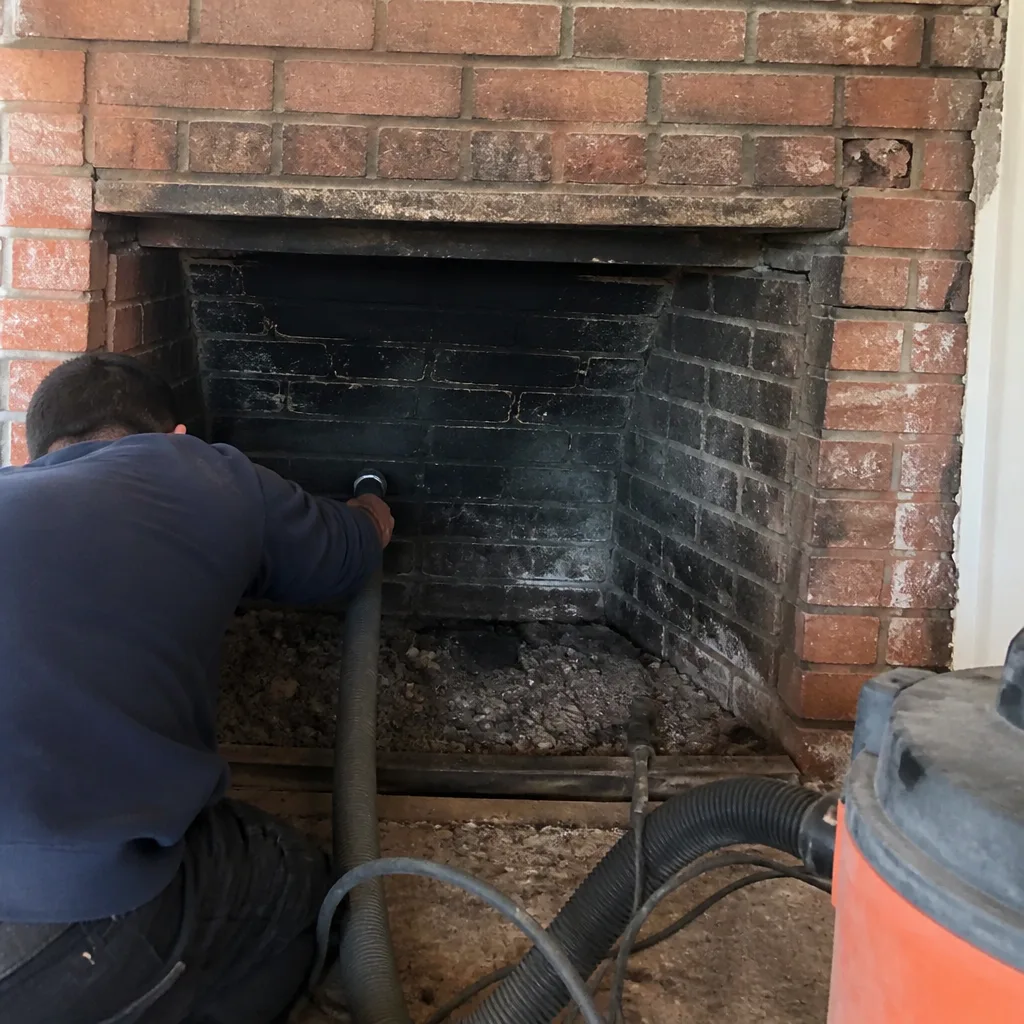
- No HEPA-filtered vacuum. Not all vacuums are equal. A shop vac with a standard filter will pull fine creosote dust into the air and redistribute it through your living room. A professional unit should say HEPA on the side or in the literature that came with it. If the tech is running an orange bucket vacuum from the garage, the dust containment is a pantomime.
- No pre-work inspection discussion. A spec-grade contractor talks to you before the brush goes up. They explain what they’re looking for, what the creosote stage means, what the liner condition looks like from the initial visual, and what happens if the camera finds something. A coupon sweep gets off the truck and starts assembling rods. If there’s no conversation before the cleaning starts, there’s no diagnostic process, and you should send them home.
- Pressure to make a same-day decision on repairs. The classic move is “I found a crack in your liner, I can do it today for a discount.” Legitimate repair recommendations come with camera footage you can see, a written estimate you can take a day to think about, and no time pressure. Any contractor who needs an answer before they leave the driveway is running a sales operation, not a chimney company.
- Unmarked vehicle or no company identification. The truck doesn’t need to be a rolling billboard, but it should have the company name, license number, and phone number on it. A tech who shows up in an unmarked pickup with no uniform and no ID is someone you can’t trace if the work goes wrong.
Common Mistakes to Avoid
- Hiring on price alone. The Montebello market has coupon sweeps who will undercut any legitimate quote by 60% because the $49 or $69 figure was never the real price. What you save on the sweep you’ll pay back many times on the repair you didn’t need. If two quotes are wildly far apart, the specific methods and materials tell you which one is real.
- Skipping the camera inspection. This is the single most common oversight, and it’s the one that lets every other scam operate. A chimney with a cracked liner looks exactly like a clean chimney to the naked eye. Only a camera sees the difference. Never hire a sweep in Montebello that doesn’t include this.
- Accepting a verbal estimate. If the price for the sweep or any repair isn’t in writing, it won’t be the price when the job is done. Verbal estimates are the legal equivalent of a handshake with a stranger.
- Not asking about the cleaning method before the tech arrives. When the only tool is a brush, everything looks like a brushable flue. The method matters because the wrong method damages older liners, and a damaged liner becomes a $4,000 problem.
- Hiring a chimney sweep who doesn’t understand the whole exhaust system. Many Montebello homes have a fireplace, a furnace, and a dryer all venting to the outside. A contractor who only looks at the fireplace is missing two of the three combustion exhaust paths in your home. Dryer vent cleaning is the other side of the same fire-safety coin: lint is the dryer’s version of creosote, and it starts roughly 2,900 fires a year in US homes. The company that handles both is looking at the whole system.
- Not checking the CSLB license or insurance. In California this is a public-record search that takes two minutes on the CSLB website. Skipping it means you could be hiring an unlicensed operator working under someone else’s insurance, or no insurance at all.
When to Call a Professional
If you’ve lived in your Montebello home for more than two years and have never had the chimney swept, the answer is now. Creosote doesn’t care about the calendar; it builds up with every fire, and a flue that hasn’t been inspected in years is a fire risk that compounds quietly. Call when you see a white or black crust building on the firebox walls, when smoke starts backing into the room instead of drawing up, when you smell a campfire odor in the house days after the last fire, or when you’re buying or selling a home and the inspection report flags the chimney. Any of those signals means it’s time to talk to someone who sends a camera up the flue and shows you the footage. Chimney Sweep Montebello offers free estimates in Montebello. Call (833) 362-8107. We answer 24/7. Fast dispatch from 7am to 7pm, Sunday through Friday.
Frequently Asked Questions
A standard chimney sweep in the Montebello area typically runs between $200 and $400, depending on the flue’s size, accessibility, and creosote stage. The price should be set per job by a written estimate after the contractor assesses the chimney, and the estimate is free. Anything under $100 advertised as a full sweep is a loss-leader designed to get into your house and sell you a liner you may not need. Call (833) 362-8107 for an exact quote on your chimney.
The NFPA 211 standard says chimneys, fireplaces, and vents should be inspected at least once a year and cleaned as needed, but a wood-burning fireplace in regular seasonal use typically needs sweeping every 1 to 2 years. The more you burn, the more creosote you build. Call (833) 362-8107 and a Montebello technician can give you a realistic schedule for your usage.
Yes, and here’s the simple reason: a cracked flue liner and a clean flue liner look exactly the same to the naked eye from either end. The only way to see the middle third of a clay tile liner, where a 1970s Montebello chimney’s damage almost always begins, is with a camera. If a sweep doesn’t offer one, they aren’t doing diagnostic work.
The CSIA Certified Chimney Sweep credential means the tech passed a proctored exam based on NFPA 211 and other fire-safety codes. It’s the industry’s recognized standard for competence. A self-issued “certificate” from a product manufacturer or a weekend course is not the same thing, and you should ask the difference.
Yes, and a company that handles both is looking at the entire combustion-exhaust system in your home. Lint is the dryer vent’s version of creosote: it’s an ignition hazard that accumulates quietly. Dryer vent cleaning should be done once a year in most Montebello homes, and it’s logical to book both at once. Call (833) 362-8107 and ask about scheduling a combined visit.
Ask to see the camera footage. A legitimate contractor in Montebello will pull up the video or images from the inspection and walk you through exactly what they’re seeing, then put the repair recommendation in writing with the product brand named. If someone tells you a liner needs replacing without any way to show you the crack, treat that recommendation as a sales script, not a diagnosis.
The Bottom Line
Hiring a chimney cleaning contractor in Montebello is not about finding the lowest price. It’s about finding a contractor who can show you, with camera footage and brand-named estimates, exactly what needs to be done and why. The two phone-call questions about camera inspection and cleaning method will filter out the coupon sweeps in under a minute. From there, look for the CSIA or NFI credential, ask to see the COI with named-additional-insured availability, check the CSLB license, and know what a real written estimate looks like when you see one. Contractor-grade materials like DuraFlex, HeatShield, Olympia Chimney, and Copperfield mean repairs built to last, and a company that also handles dryer vent cleaning is seeing the whole fire-risk picture, not just the fireplace. The right question you can ask starts with a phone call to (833) 362-8107. We answer 24/7. Fast dispatch from 7am to 7pm, Sunday through Friday. We provide chimney sweeping, repairs, and dryer vent cleaning across Montebello and the surrounding LA communities.
Written by the team at Chimney Sweep Montebello, serving Montebello since 2015.
See the difference
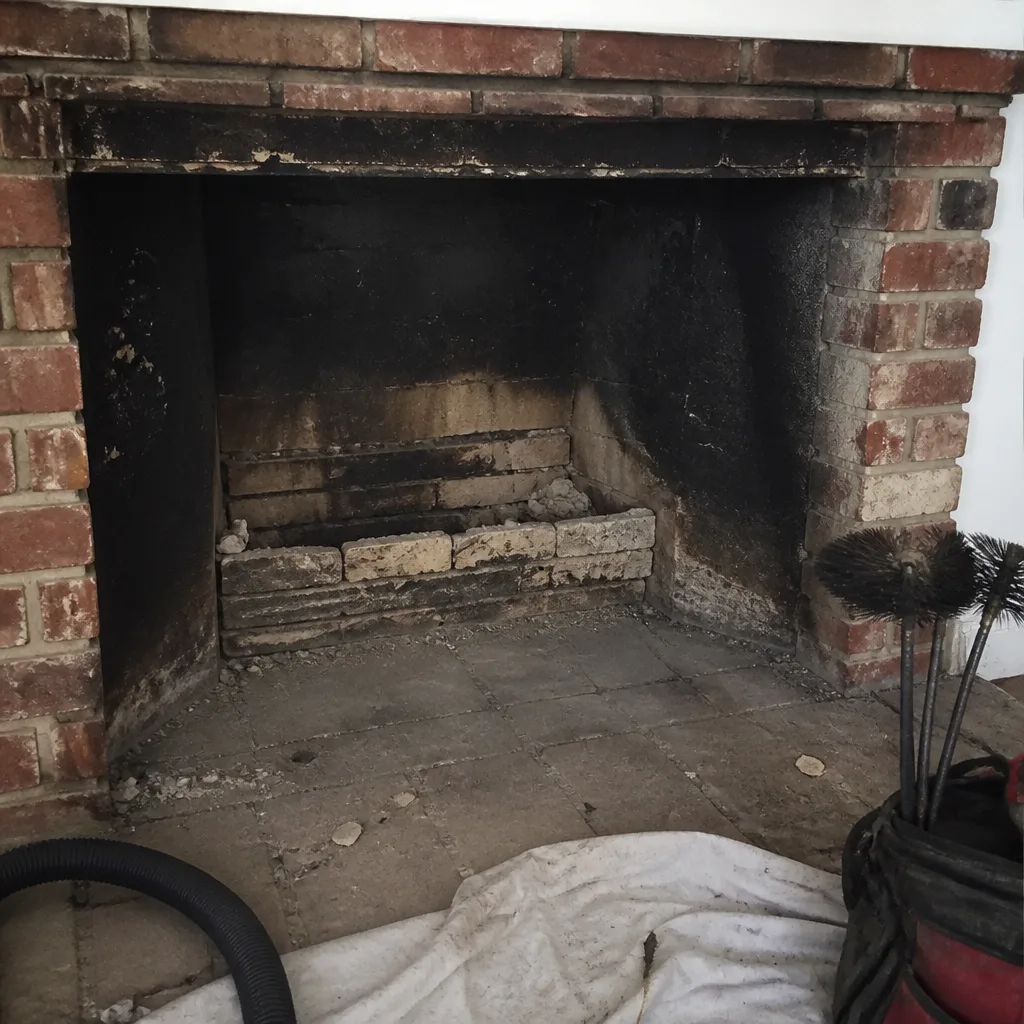 Before
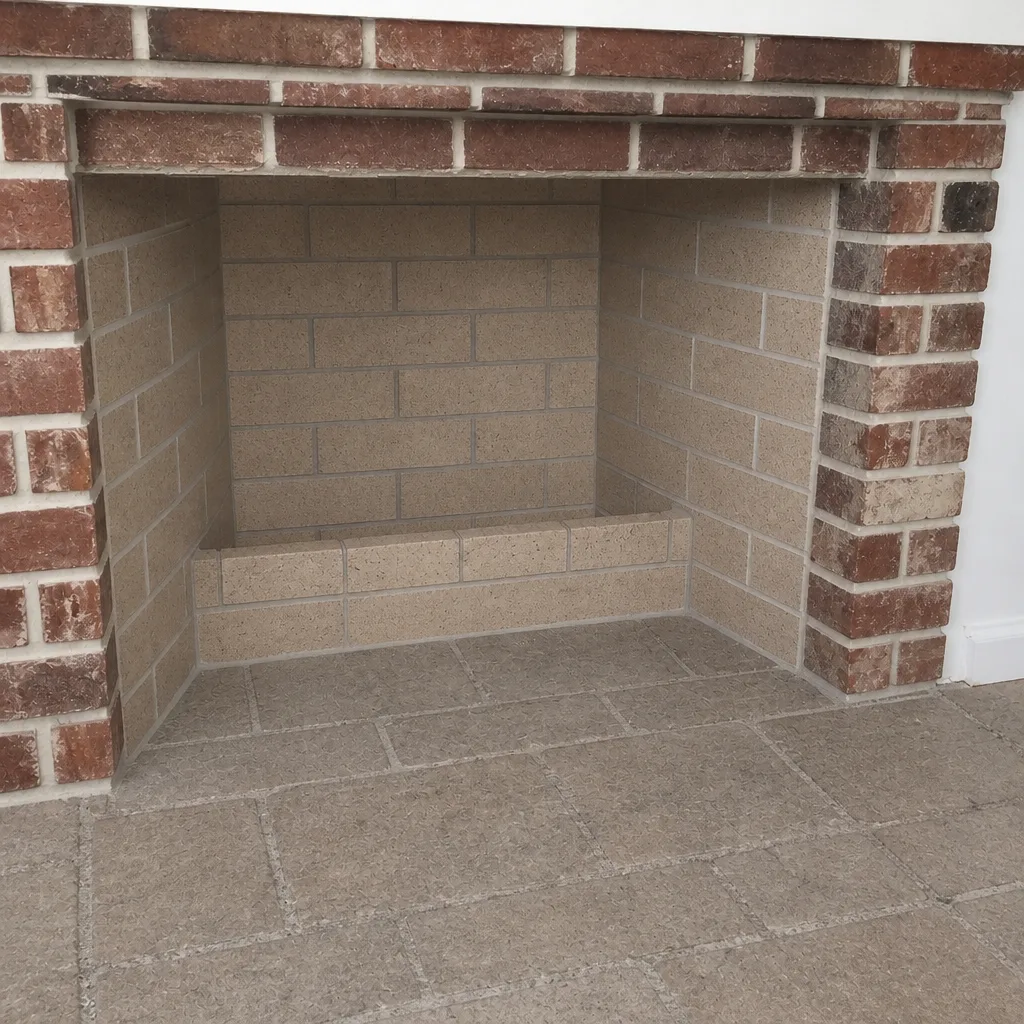 After
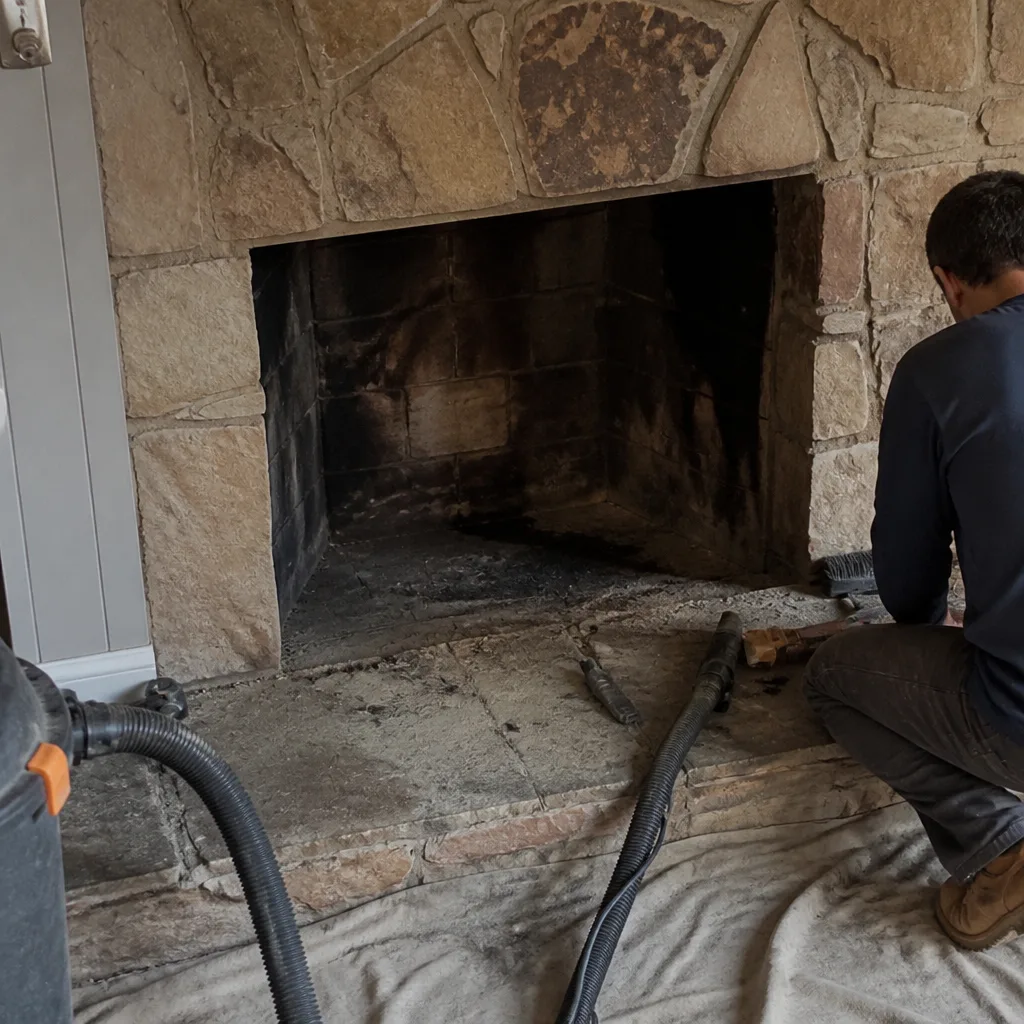 Before
 After
 Before
 After