
Last updated November 4, 2026
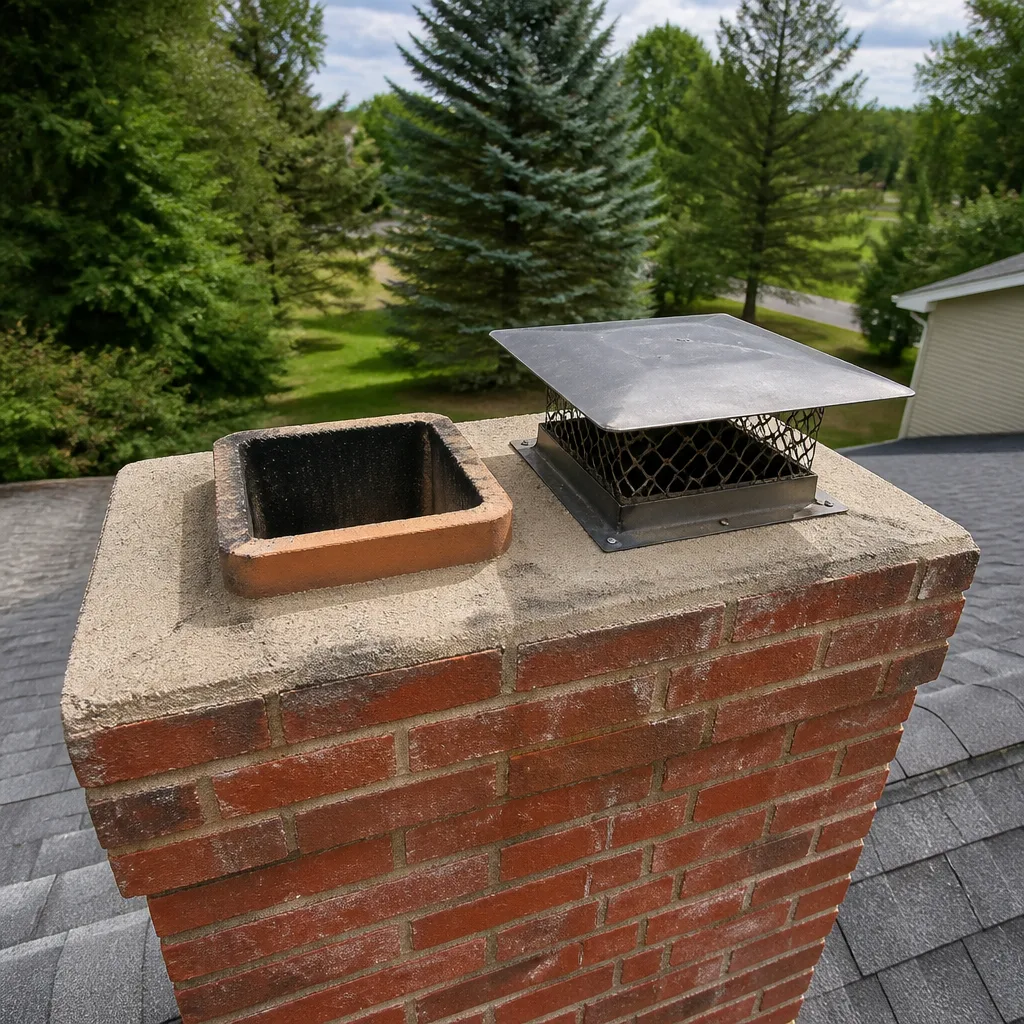 Sweep & inspection
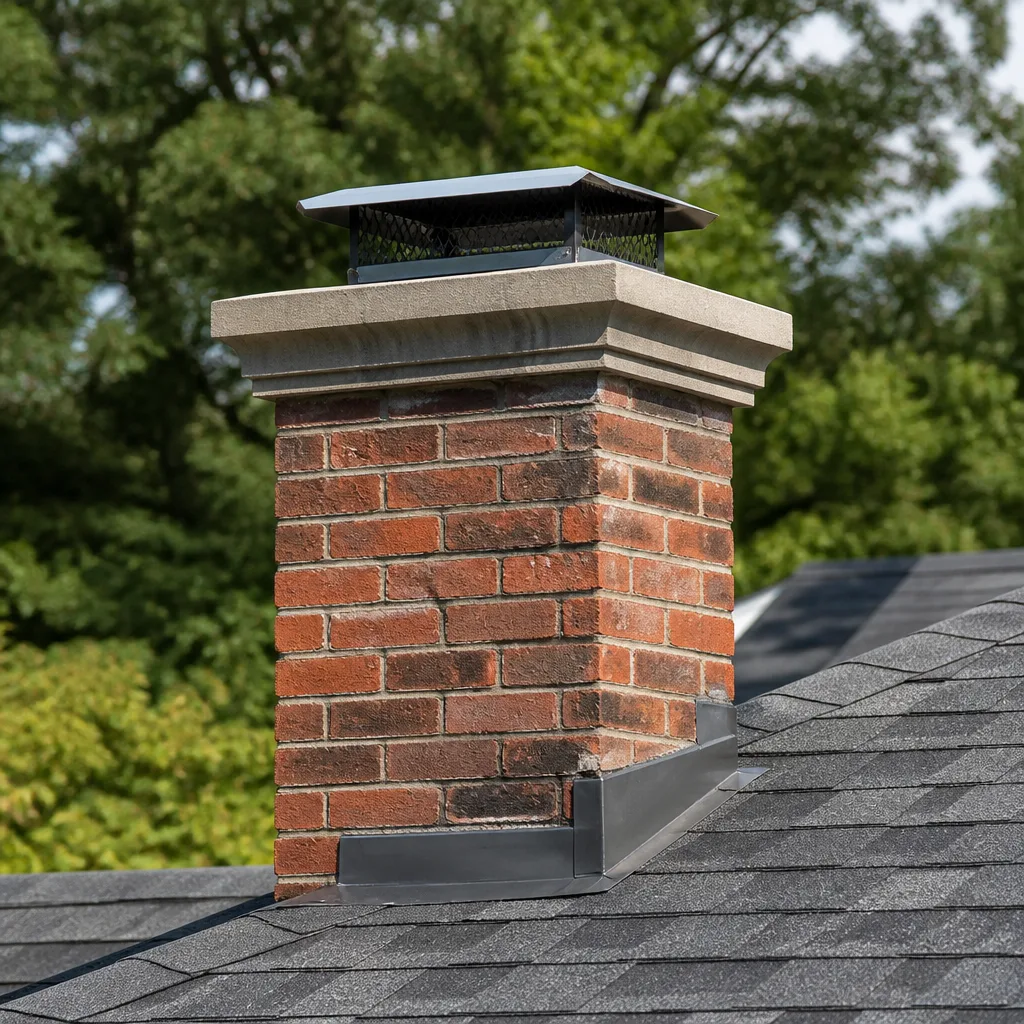 Caps & crowns
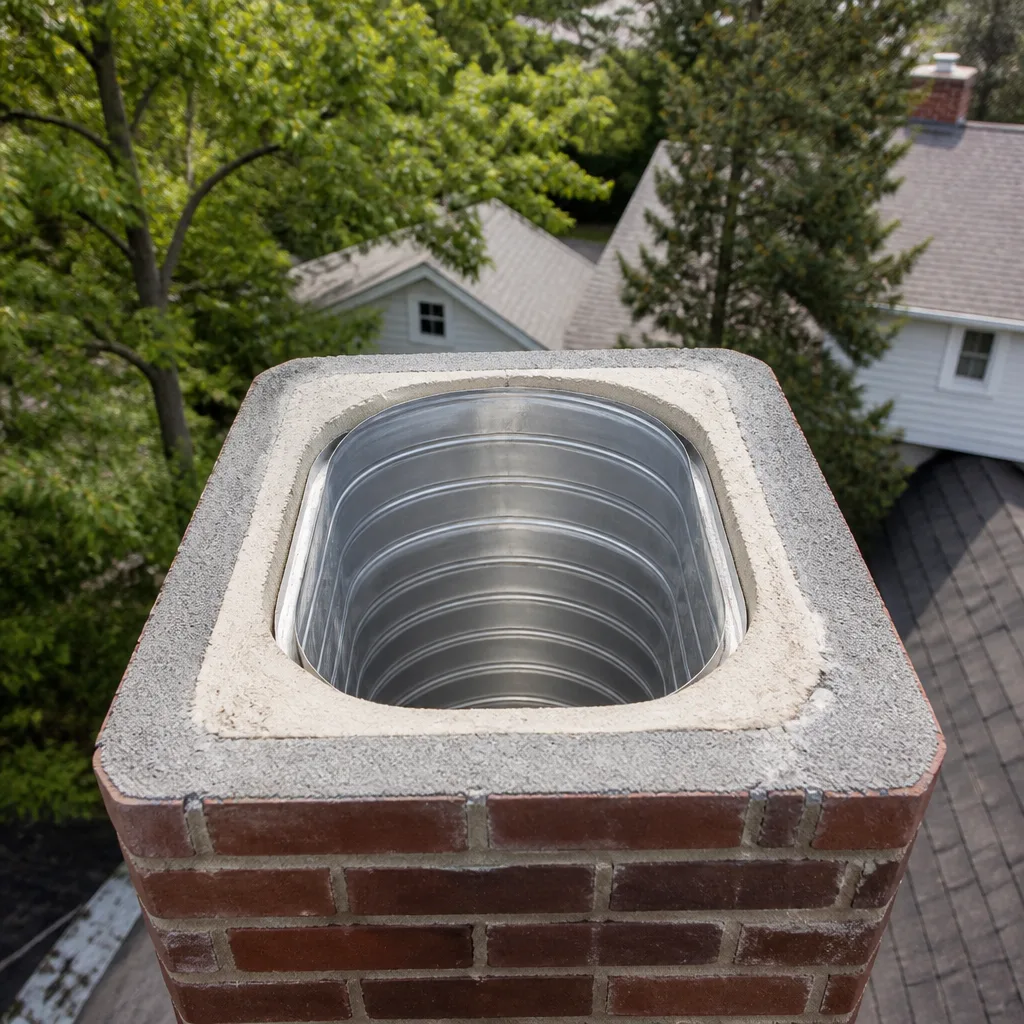 Flue relining
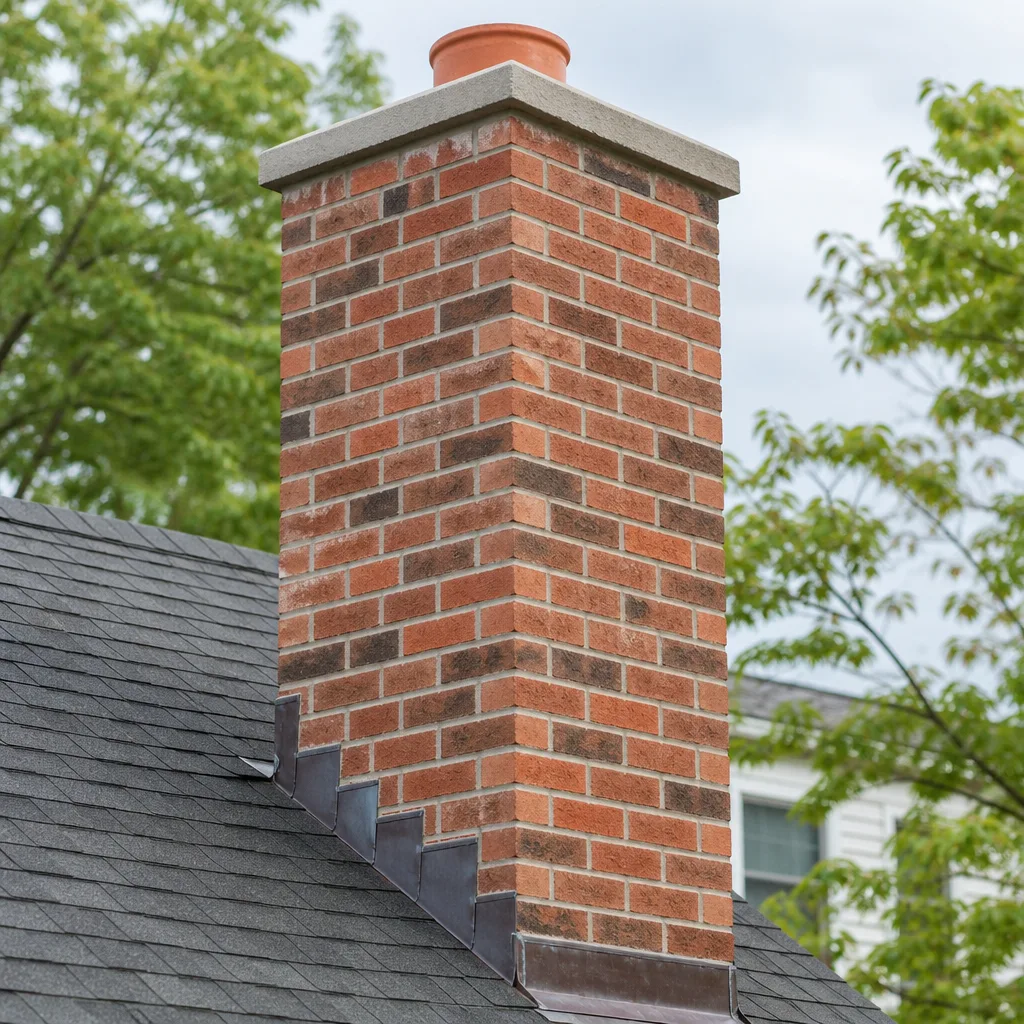 Masonry repair
 Gas fireplace service
Level 1 sweep and inspection to the NFPA 211 annual standard - flue, crown, cap, and flashing checked and photographed
Chimney sweep logs do not sweep chimneys. They loosen some creosote - which then falls where a brush and vacuum still have to collect it.
Seasonal Chimney Cleaning Care for Montebello: Year-Round Homeowner’s Guide
Most seasonal chimney advice assumes a four-season climate with snow, ice, and a fireplace burning from October through April. Montebello doesn’t work that way. Our Mediterranean climate means you’ll likely light your fireplace 20 to 30 times a year, almost entirely between late October and mid-March. That concentrated, intermittent use pattern changes how creosote accumulates, how masonry behaves during the long dry summer, and when a chimney sweep actually makes sense. This guide walks through what Montebello homeowners should do each season, why the timing matters, and which tasks you can safely handle yourself versus when to bring in a trained technician.
Quick Answer
In Montebello, the optimal time to schedule a chimney sweep is August or September, before the first fireplace use, while post-season maintenance should happen in April or May after your last fire. Most low-use households (under two fires per month) can safely sweep every other year, but any visible creosote glaze, animal activity, or water staining calls for an inspection before the next burn.
Styles & brands we work with
- Sweep & inspection
- Caps & crowns
- Flue relining
- Masonry repair
- Gas fireplace service
Table of Contents
- Why Montebello’s Climate Changes the Chimney Schedule
- The Pre-Season Window: August and September
- The Winter Burn Season: What Light Use Actually Does
- Post-Season Tasks: April and May
- The Summer Off-Season: What to Inspect Yourself
- The Mid-Season Check for Heavy-Use Households
- Understanding Creosote Stages and Why Light Use Builds Stage 2 Faster
- Marine-Layer Humidity and Your Chimney’s Masonry
Why Montebello’s Climate Changes the Chimney Schedule
Montebello sits in the San Gabriel Valley’s western edge, where summer temperatures routinely climb into the 90s and winter nights dip into the 40s. That’s a narrow heating window, and it compresses everything. Homeowners here aren’t dealing with snow on the roof or ice dams, but they are dealing with a long dry season that bakes masonry, followed by a short, intense burn season that cycles the flue through rapid heating and cooling.
Heat cycling is the operative term. When you light a fire in a chimney that hasn’t been used since March, the clay tile liner and mortar joints expand quickly. The next morning they contract. Do that 20 times in a season and you’re stressing the same materials a four-season homeowner stresses over 60 fires, just in a tighter period. That concentrated stress is why a Chimney Sweep Montebello inspection before the first fall fire catches things that would otherwise surface mid-winter, when every contractor’s schedule is jammed.
We also see a pattern specific to the LA Basin’s marine-layer humidity cycles. During summer months, coastal moisture pushes inland overnight, raising humidity around your masonry even when daytime temperatures stay high. Moisture gets into hairline cracks in the crown or mortar joints, then the afternoon heat drives it back out. Over multiple summers, that cycle contributes to efflorescence, spalling, and liner deterioration that a homeowner won’t notice from ground level.
The Pre-Season Window: August and September
The single most important scheduling decision a Montebello homeowner makes is when to book the pre-season sweep. Here’s why August and September make the difference:
- Technician availability. Once evenings cool into the 50s in late October, every chimney company in the San Gabriel Valley books out weeks ahead. A September appointment gets you a technician who can spend time diagnosing rather than racing to the next call.
- Problem discovery before first use. A cracked flue liner or a blocked damper found in September is an inconvenience. Found in December, after you’ve lit three fires, it’s a hazard.
- Weather window for repairs. If the inspection turns up a need for HeatShield resurfacing or a replacement cap, you want warm, dry days to complete the work. Montebello’s fall is ideal; waiting until winter means working around rain and shorter windows.
- Supply chain timing. Contractor-grade components like DuraFlex liner systems and Copperfield caps are ordered through professional supply channels. A September repair has fewer delivery delays than a December emergency.
What the Pre-Season Sweep Should Include
- Full flue inspection by camera. The technician should document the liner condition from firebox to crown. Any Stage 2 or Stage 3 creosote gets removed mechanically, not just brushed.
- Smoke chamber and damper assessment. The damper should open and close fully, seat cleanly, and show no rust or warping. A damper that won’t fully close wastes conditioned air all winter.
- Smoke shelf cleaning. Debris, creosote flakes, and old nesting material collect here even in light-use chimneys.
- Cap and crown inspection. The cap should be securely fastened with no gap between cap and crown. The crown should show no cracks wider than a hairline you can catch with a fingernail.
- Combustion air check. Montebello homes built before 1990 often have tight building envelopes after window and door replacements. If your fireplace struggles to draft, the fix might be make-up air, not a taller flue.
The Winter Burn Season: What Light Use Actually Does
Here’s the counterintuitive part: burning 20 to 30 fires per year does not automatically mean you need fewer cleanings. In fact, light, intermittent use can create a creosote accumulation pattern that’s more dangerous than what a heavy-use household produces.
When you light a fire only on weekends or occasional weeknights, the flue spends most of its time cold. Each fire starts with a cold liner, which means the smoke cools faster as it rises. Cooler smoke condenses more creosote onto the liner walls. A household that burns every evening keeps the flue warmer for longer stretches, which carries more creosote out the top rather than leaving it behind.
The result is that a Montebello fireplace used 25 times in a season can accumulate Stage 2 creosote, the shiny, tar-like glaze that’s significantly harder to remove than the flaky Stage 1 form, in just two seasons. That’s why we recommend an inspection at minimum every other year for low-use homes, even if the sweep itself might be deferred.
One more factor: Montebello’s mild winters mean many homeowners burn with windows open or doors cracked. That changes the draft dynamics in ways that can increase smoke spillage and creosote condensation. If you smell smoke in the room or see dark staining on the damper frame, the chimney is telling you something. Call before the next fire, not after.
Post-Season Tasks: April and May
Once the last fire of the season goes out, the chimney doesn’t go into hibernation. The dry Montebello summer is actually the season when masonry does most of its damage. Post-season maintenance focuses on protecting the structure during the long idle period.
- Final sweep or at least a visual inspection. If you burned more than a cord of wood or had any fires that smoldered, a post-season sweep removes acidic creosote before it sits on your liner for six months. Creosote is hygroscopic, meaning it absorbs moisture. That absorbed moisture, combined with creosote’s acidity, attacks clay tile liners during the exact off-season when Montebello’s marine-layer humidity spikes.
- Cap inspection. This is the cheapest insurance you’ll ever buy. A missing or damaged cap in May means birds, squirrels, and rats can nest in your flue by September. Animal nests are a leading cause of chimney fires and carbon monoxide blockages in Southern California homes.
- Crown and mortar check. Walk around the chimney and look at the crown from a ladder if you’re comfortable doing so safely, or have a technician do it. Hairline cracks that open during winter’s heat cycling will widen through the summer’s thermal expansion and contraction.
- Damper maintenance. Close the damper fully after the last use and note how it seats. If it sticks, scrapes, or won’t close flush, have it adjusted now. A damper that leaks lets cooled air escape all summer, which matters when your AC runs from May through October.
- Dryer vent scheduling. While you’re thinking about the chimney, remember the second half of combustion-exhaust safety. Dryer vent cleaning follows a similar logic: lint accumulation in the vent line is an ignition hazard that’s cheaper and safer to deal with before peak laundry season.
Many Montebello homeowners bundle the post-season chimney inspection with a dryer vent cleaning in the same visit. One technician, two systems, and the whole combustion-exhaust picture in your home is documented.
The Summer Off-Season: What to Inspect Yourself
Between May and September, your chimney is idle, but it’s not invisible. A few simple checks take minutes and catch problems before your pre-season technician ever arrives.
Monthly Visual Checks You Can Do
- Firebox walls. Shine a flashlight up from the firebox. Look for white, crusty deposits (efflorescence) on the walls, which signal moisture moving through the masonry from outside. Also look for missing or cracked firebrick, which can expose the firebox shell to direct heat.
- Damper seat. With the damper open, run your finger along the seat, the metal lip the damper plate rests on. Creosote and dust build up here over a burn season. If the seat feels rough or gritty, the damper may not seal when closed, which wastes AC all summer.
- Debris in the firebox. After a windy period, check for leaves, twigs, or nesting material that’s fallen down the flue. A cap that’s intact shouldn’t allow this, so debris is often the first clue your cap has shifted or rusted through.
- Exterior crown photograph. Stand back and photograph the chimney crown from multiple angles each month. Compare photos month to month. A crack that widens over a single summer is a repair priority. If you spot one, call for an inspection rather than waiting for the pre-season sweep.
The crown is the most important structural element you can monitor. It’s the flat concrete or mortar surface at the top of the chimney that sheds water away from the flue and the masonry below. Once a crack opens wider than about 1/8 inch, water gets behind the crown and into the chimney structure itself, where it accelerates spalling of brick faces and deterioration of the mortar bed joints.
The Mid-Season Check for Heavy-Use Households
If your household burns fires more than five times per month during the winter, your chimney is in a different category. Heavy use at that level, particularly with the start-stop cycling of weekend burning, can accumulate creosote fast enough that a mid-season inspection in January or February makes sense.
This isn’t a full sweep in most cases. It’s a targeted check: a camera look at the flue, a visual on damper and smoke shelf, and a creosote thickness measurement at the firebox level and mid-flue. If accumulation has reached 1/8 inch, a mid-season sweep is warranted. If it’s under that threshold, you finish the season and schedule the full post-season service.
The threshold matters because 1/8 inch of creosote is the point at which a hot fire can ignite the residue. Below that, you have margin. At 1/4 inch, you have a fire hazard. Most Montebello homeowners with heavy-use patterns will reach 1/8 inch between January and February, which is why the mid-season check catches what a single pre-season sweep cannot.
Low-use households, defined as fewer than two fires per month, can safely defer the mid-season check. Their creosote accumulation rate is slower, and the pre-season and post-season visits cover the risk window. The rule is simple: burn more, check more. Burn less, and your annual or biennial schedule is sufficient.
Understanding Creosote Stages and Why Light Use Builds Stage 2 Faster
Creosote is the condensed residue of incomplete wood combustion, and it’s not one substance. It forms in three distinct stages, and each requires a different removal method.
- Stage 1: Flaky soot. Light, dusty, black or brown flakes that brush off relatively easily. This is what most people picture when they think of chimney cleaning. A standard rotary brush removes it in one pass.
- Stage 2: Glazed tar. Shiny, hard, dark brown or black coating that forms when flue temperatures stay in the 250°F to 450°F range for extended periods. This is the stage that light, intermittent use produces because the flue walls are cold during startup and the smoke condenses rather than exits. Removing Stage 2 requires mechanical agitation, often with rotary loops or chains, not just a brush.
- Stage 3: Carbonized glaze. A thick, hardened crust that forms when Stage 2 residue is baked repeatedly. Stage 3 is a fire waiting to happen. Removal may require chemical treatment in combination with mechanical methods, and in severe cases, the liner itself has been compromised and needs resurfacing or relining.
Here’s what that means for a Montebello homeowner who burns 25 times a winter, mostly on weekends. Each fire starts in a cold chimney. The smoke from a cold start contains more unburned hydrocarbons because the fire hasn’t reached efficient combustion temperature. Those hydrocarbons condense on the cold liner as a thin glaze. Each subsequent fire bakes the previous layer slightly while adding a new one. After two seasons, you can have Stage 2 creosote throughout the lower flue, even though you burned fewer than 50 fires total.
If Stage 2 creosote has already compromised the clay tile liner, a full tear-out and rebuild may not be necessary. HeatShield resurfacing is a code-compliant method for restoring damaged flue liners by applying a ceramic coating through a spinning application system. In our experience, many Montebello chimneys flagged for liner replacement are candidates for HeatShield restoration instead, which costs considerably less and keeps the original structure intact. The key is catching the damage before a chimney fire makes the entire flue unsalvageable.
For homes with offset flues or non-standard chimney constructions, a DuraFlex flexible liner system may be the right call. DuraFlex is specified for chimneys where rigid liner sections can’t navigate the bends. It’s a contractor-tier product that comes with a manufacturer’s warranty and installs without demolition. We mention it here because older Montebello homes, particularly those built in the 1940s through 1970s, often have offset flues that would require major masonry work to fit a rigid liner.
Marine-Layer Humidity and Your Chimney’s Masonry
Montebello is far enough inland that the marine layer doesn’t sit overhead all day, but close enough that overnight humidity routinely reaches 70% or higher during summer months. That moisture cycle affects your chimney even when it never rains.
How It Works
- Nighttime condensation. As temperatures drop after sunset, the air near Lakewood and the Rio Hondo corridor picks up moisture from the prevailing onshore flow. That humid air contacts your chimney’s cooler masonry surfaces and condenses into a thin film of water.
- Absorption into hairline cracks. Brick and mortar are porous. The condensation film seeps into any crack, joint, or spalled surface, carrying dissolved minerals with it.
- Daytime evaporation. Morning sun heats the masonry, driving the water back out as vapor. The dissolved minerals remain behind as white, crystalline deposits: efflorescence.
- Repeat over years. Each cycle deposits more minerals in the crack. The crystal growth exerts pressure on the surrounding material, widening the crack incrementally. Eventually, spalling occurs: the face of a brick pops off, or a section of mortar joint fails.
This process is why a chimney that never sees rain can still show significant masonry deterioration. It’s also why the summer is the most important season for moisture protection, counterintuitive as that sounds for a place with less than 15 inches of annual rainfall.
The post-season inspection should include a moisture sealant check. Professional-grade sealants, applied by a qualified masonry contractor, allow the masonry to breathe while repelling liquid water. If the sealant is older than five years or showing wear, reapplication before summer’s humidity cycle begins is the lowest-cost way to prevent spalling. We don’t apply waterproofing as part of a sweep, but we do identify where it’s needed and can refer you to the right contractor for the application.
Clay Tile Liner Deterioration
Clay tile liners are standard in Montebello chimneys built before the 1980s, and they’re susceptible to the moisture cycle in a specific way. When water gets past the crown or through cracked mortar joints and contacts the clay liner, it soaks in. A chimney fire or even a hot, fast fire then heats the wet liner rapidly, causing thermal shock. Clay tile can crack under that stress, and once cracked, the liner can’t be repaired, only addressed through resurfacing or relining.
This is where Gelco and Olympia Chimney products enter the picture. Gelco sealants and coatings are specified for crown repair and masonry sealing in the commercial and specification-grade residential markets, while Olympia Chimney supplies caps, dampers, and termination components that are built to hold up under the LA Basin’s specific moisture and UV exposure patterns. When we specify these brands, it’s because the material data supports their performance in exactly the climate Montebello has, not because they’re widely available at retail.
Common Mistakes to Avoid
- Waiting until you smell smoke to call. By the time you smell smoke inside the house, the chimney has already failed to draft correctly. The problem may be a blocked flue, a cold-liner startup issue, or negative pressure from exhaust fans. It’s not a marker of “needing a sweep soon.” It’s a marker that something has already gone wrong.
- Skipping the cap because “we don’t get rain.” The cap is not primarily about rain. It keeps animals out, and Montebello has healthy populations of squirrels and roof rats that see an uncapped flue as prime real estate from May through September. A nest in the flue is a fire and CO hazard.
- Burning only “seasoned” wood and assuming that prevents creosote. Seasoned wood reduces creosote but doesn’t eliminate it. The cold-start condensation pattern in a light-use Montebello chimney will still build Stage 2 glaze over time, regardless of how dry the wood is.
- Closing the damper while embers are still hot. Expecting the damper to seal perfectly forever is unrealistic, but slamming it shut over hot embers warps the metal over time. Let the fire burn down completely, then close the damper.
- Deferring a liner recommendation because “we barely use the fireplace.” A cracked liner is a hazard on the first fire of the season, not the thirtieth. Low use doesn’t make the chimney safer; it just means the problem sits undetected for longer.
- Assuming the dryer vent is unrelated to the chimney. Both systems carry combustion byproducts out of your home. Lint in a dryer vent and creosote in a chimney are both ignition hazards that respond to the same approach: inspect, clean, verify. Treating them as separate problems means half of your home’s exhaust risk is going unmonitored.
- Relying on a chimney sweep log or creosote remover spray. Over-the-counter products can break down Stage 1 residue but will not remove Stage 2 or Stage 3 glazing. They can also give a false sense of security that delays a proper mechanical sweep.
See the difference
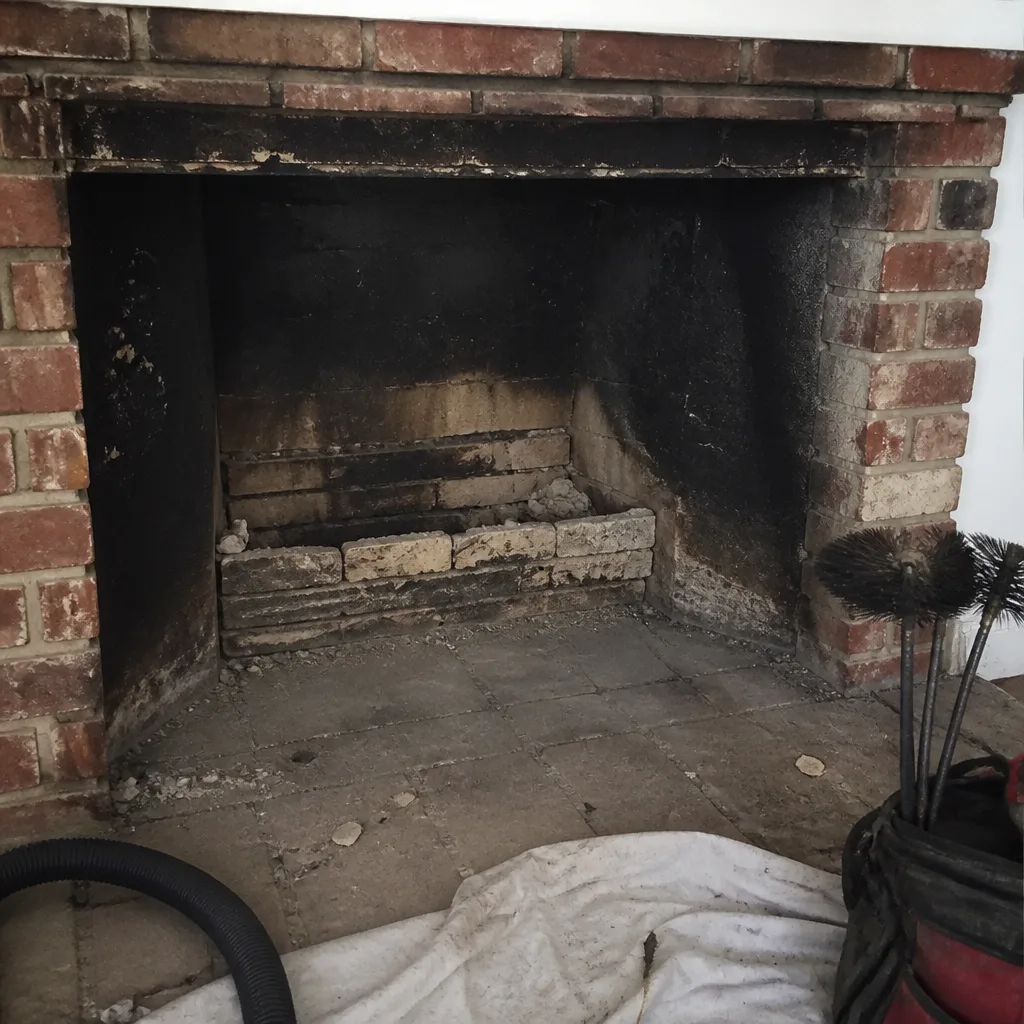 Before
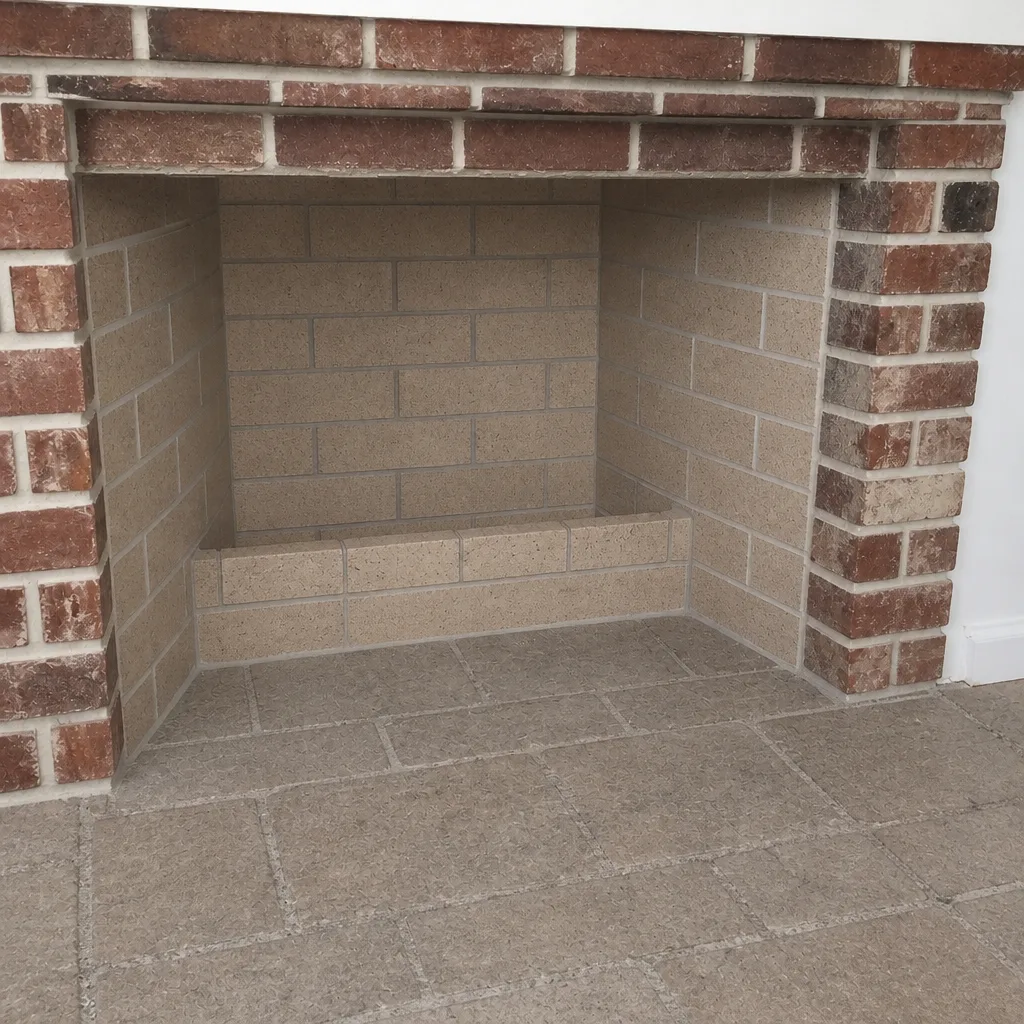 After
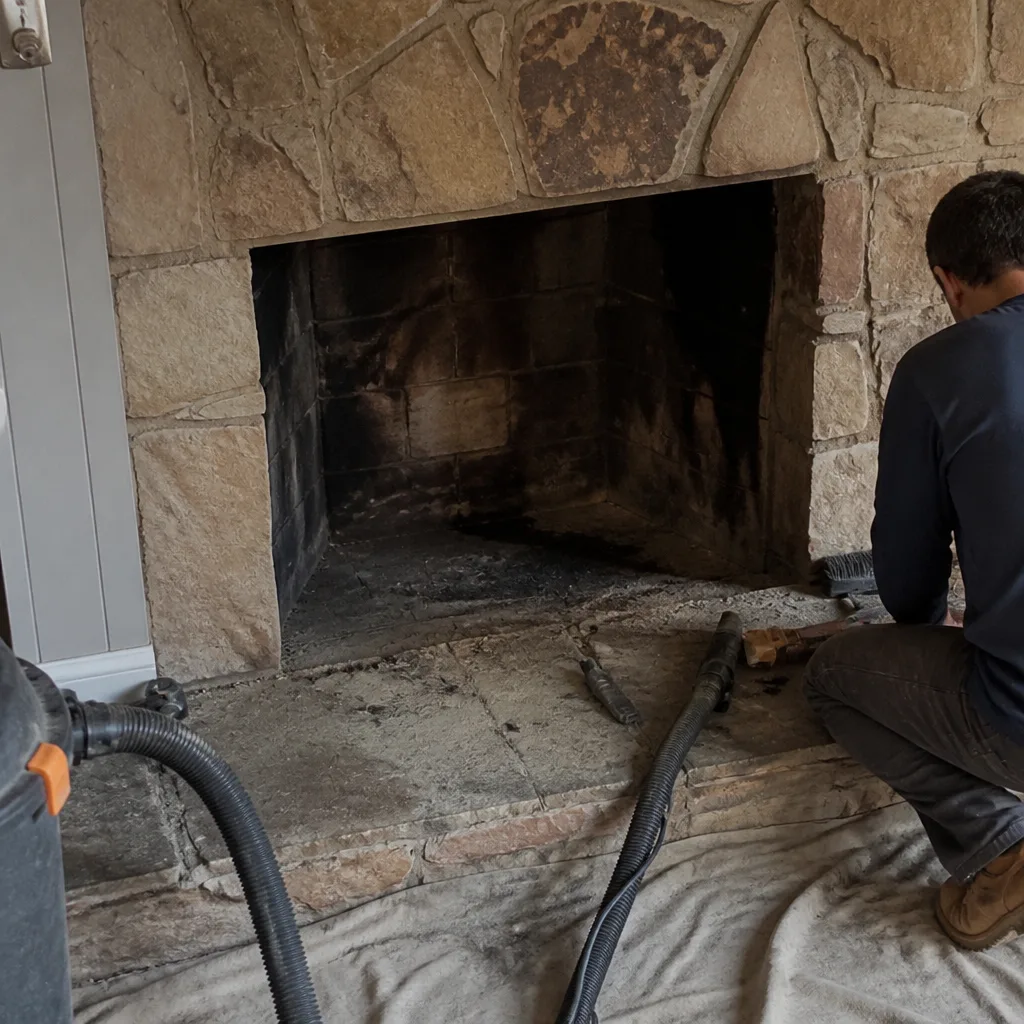 Before
 After
 Before
 After
When to Call a Professional
Some conditions can’t wait for the seasonal schedule. If you notice any of the following, schedule an inspection right away: smoke entering the room during fires, a strong burnt smell when the fireplace is cold, visible cracks in the firebox walls wider than 1/16 inch, efflorescence that appears rapidly over a single month, water in the firebox after rain, rust on the damper or firebox metal components, or any sign of animal activity in the chimney. A chimney fire often sounds like a freight train, but smaller ignitions may only be audible as popping or crackling from the flue. If you suspect a chimney fire has occurred, call the fire department first, then call for a structural inspection before using the fireplace again.
Chimney Sweep Montebello offers free estimates in Montebello. Call (833) 362-8107 with any of these symptoms or to schedule your pre-season sweep.
Frequently Asked Questions
For a household burning under two fires per month during the winter, an inspection every year and a sweep every other year is the standard recommendation. For heavy-use households burning five or more fires per month, an annual sweep plus a mid-season inspection in January or February is the safer schedule. The National Fire Protection Association standard, NFPA 211, says chimneys should be cleaned when creosote reaches 1/8 inch, which a technician measures during inspection. Call (833) 362-8107 to schedule your inspection, and we’ll tell you where your chimney actually stands against that threshold.
August or September is ideal for a Montebello chimney sweep, because it gives you time to address any findings before the first fire and before the fall contractor rush. Waiting until October or November means competing with every other homeowner who just realized they need pre-season service, and if repairs are needed, weather windows for exterior work narrow.
You can often skip the sweep itself, but not the inspection. Light, intermittent use concentrates creosote in ways that continuous burning doesn’t, and the off-season moisture cycle in Montebello causes masonry movement you won’t see from the ground. A camera inspection every year tells you whether the flue actually needs mechanical cleaning or whether the structure has shifted in a way that needs attention.
Yes. Montebello’s overnight humidity regularly reaches 70% or higher in summer, even on days when afternoon readings are dry. That overnight moisture is enough to feed the condensation cycle that drives efflorescence and spalling, especially in chimneys with hairline crown or mortar cracks. It’s not about rain; it’s about humidity cycling.
HeatShield is a ceramic resurfacing system applied to the inside of the existing flue, restoring a damaged clay tile liner without tearing out masonry. A full liner replacement typically means either breaking out the old clay tiles and installing a new liner system, or installing a DuraFlex flexible liner inside the existing flue. HeatShield works when the underlying structure is sound but the liner surface has cracked or spalled. A full reline is needed when the structural integrity of the flue itself is compromised. The right call depends on what the camera inspection shows, and we’ll show you the footage before recommending either path.
Many Montebello homeowners do exactly that. Dryer vents accumulate lint that’s combustible in the same way creosote is, and both systems benefit from the same diagnostic approach. Bundling the two services in a single visit means one contractor, one documentation set, and a complete picture of your home’s combustion-exhaust pathways. Dryer vent cleaning follows the same seasonal logic: before peak use, not after the problem shows up.
The Bottom Line
Montebello’s chimney care calendar doesn’t look like a four-season climate’s calendar, and that’s exactly why homeowners here need a local maintenance schedule. The pre-season sweep in August or September, the post-season moisture check in April or May, and the summer visual inspections all serve the same goal: finding small problems before the concentrated burn season turns them into hazards. If you’re a homeowner here, the most useful thing you can do this month is put the next inspection on your calendar, whether that’s the pre-season sweep coming up or the post-season check after your last fire. Call (833) 362-8107 and we’ll help you figure out where your chimney stands.
Written by the team at Chimney Sweep Montebello, serving Montebello since 2015.