
Last updated November 4, 2026
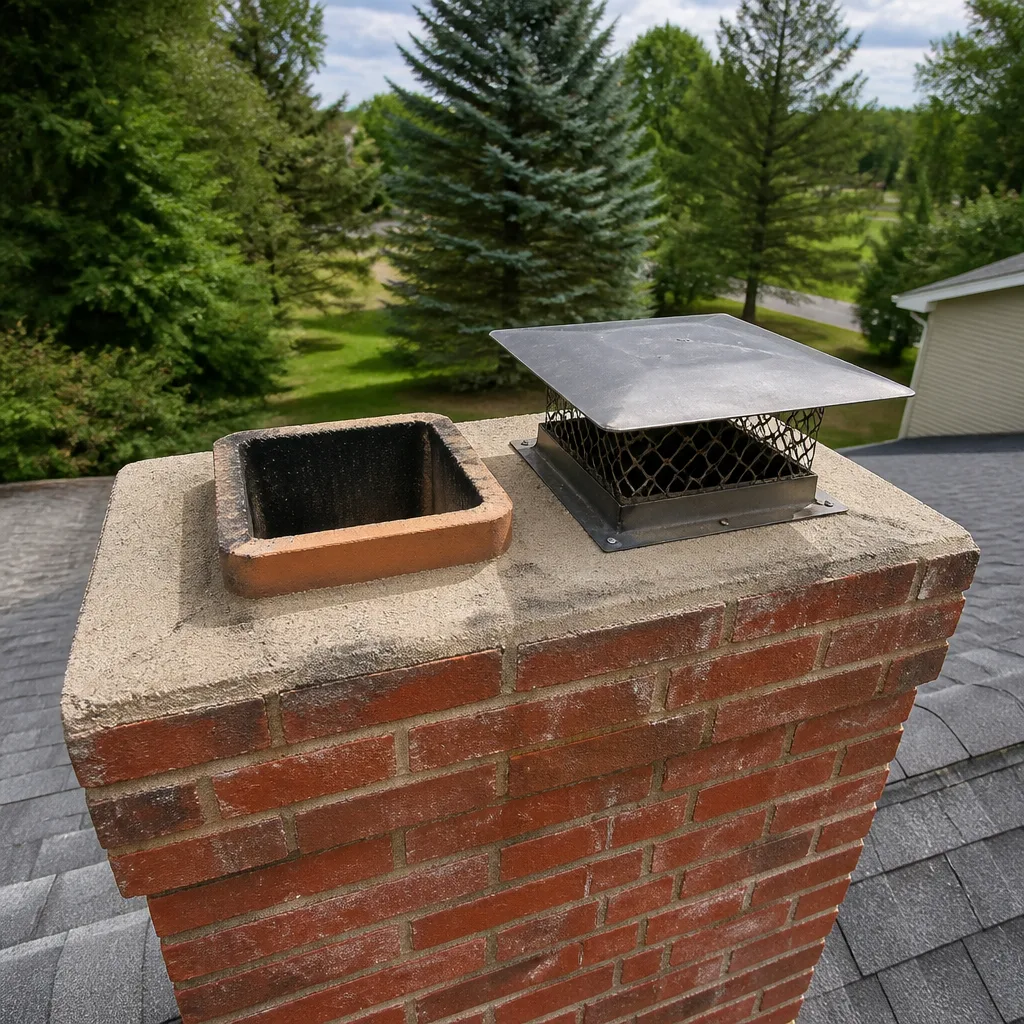 Sweep & inspection
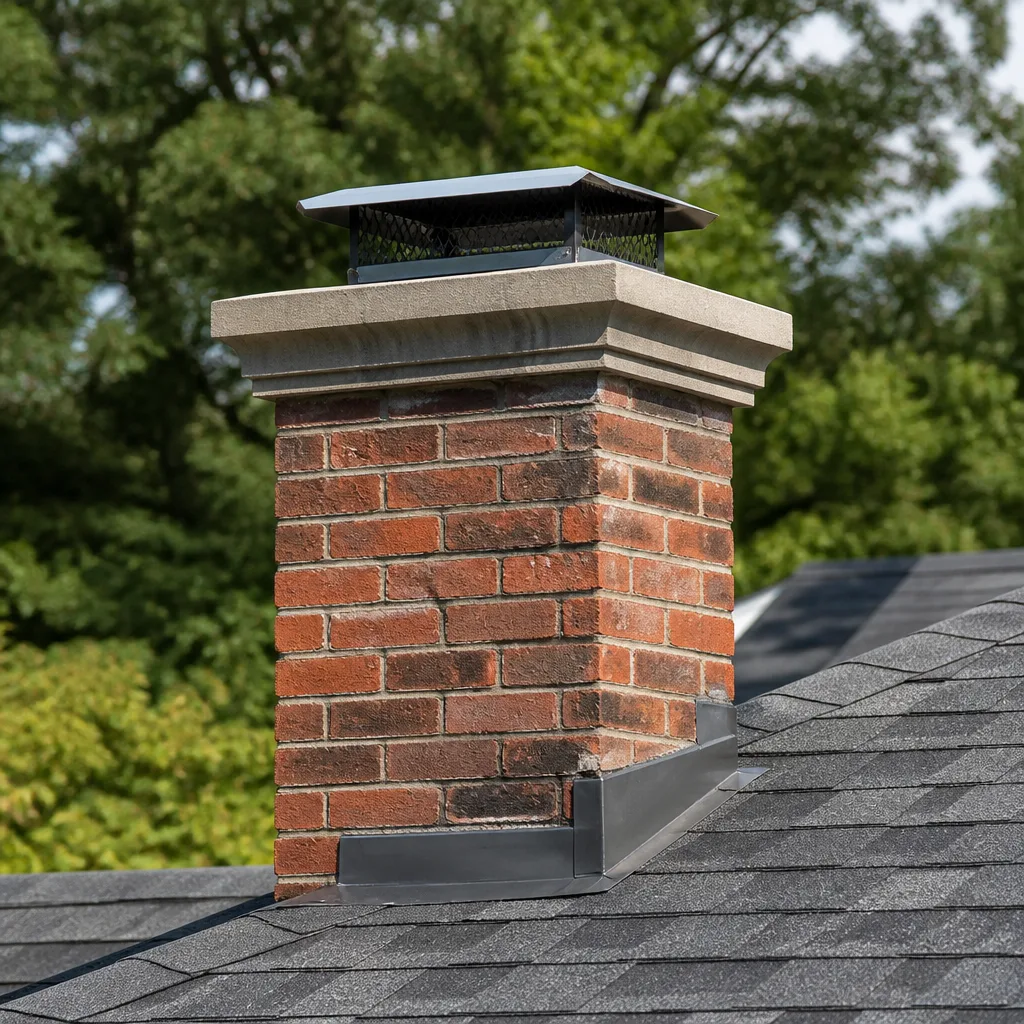 Caps & crowns
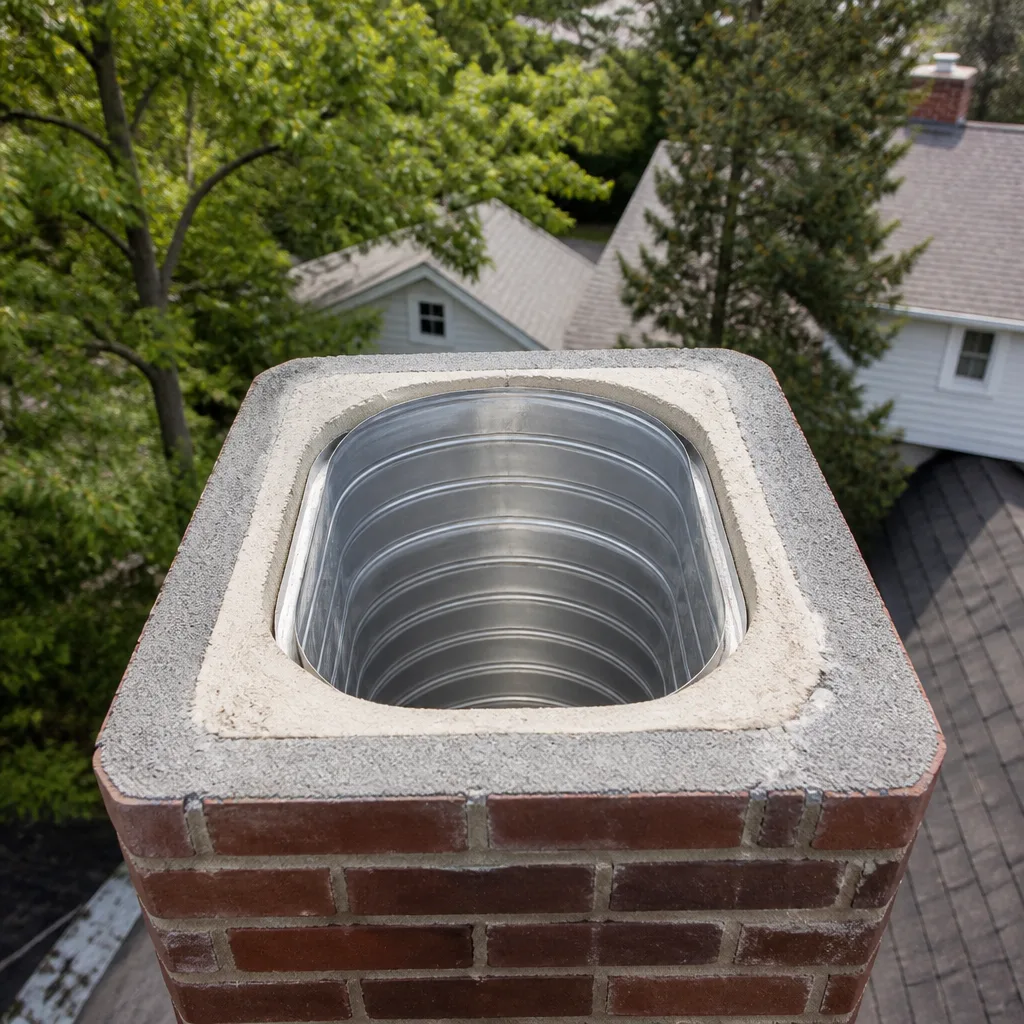 Flue relining
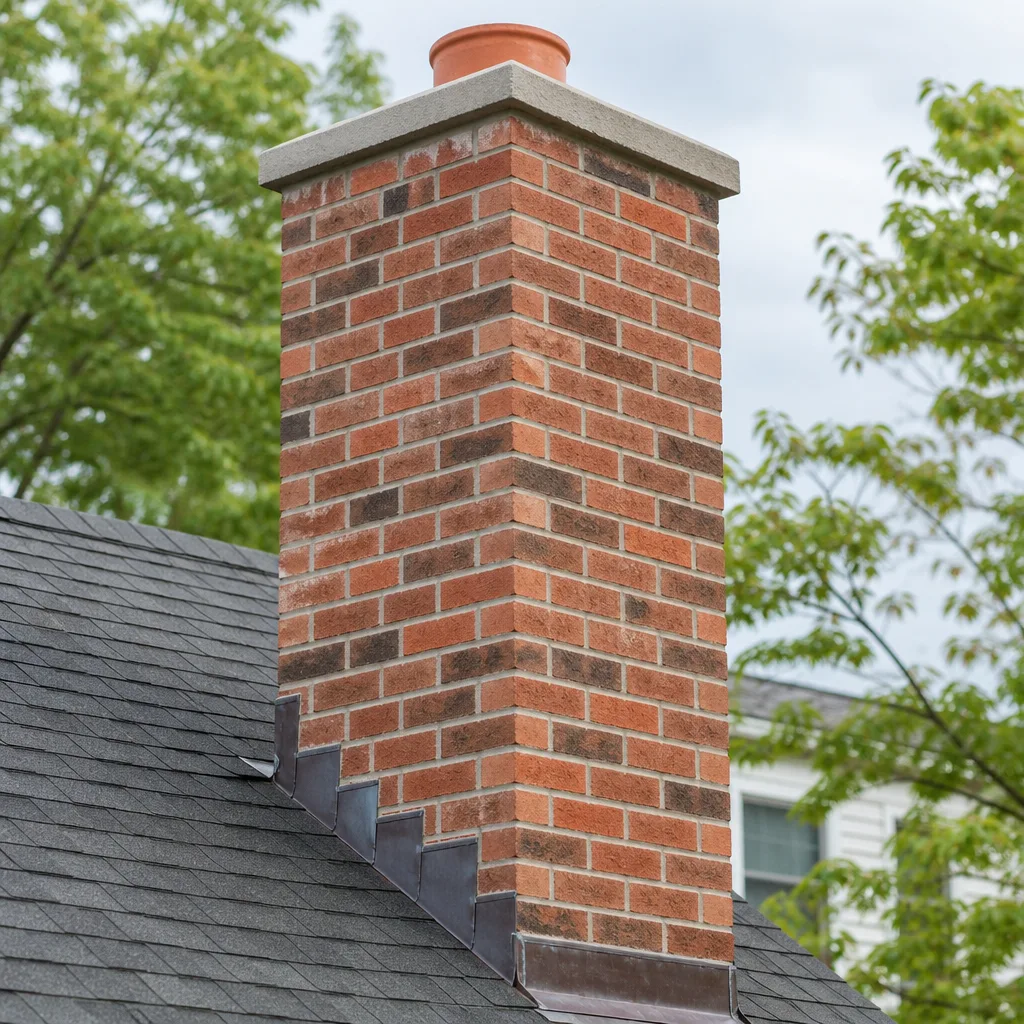 Masonry repair
 Gas fireplace service
Level 1 sweep and inspection to the NFPA 211 annual standard - flue, crown, cap, and flashing checked and photographed
Chimney sweep logs do not sweep chimneys. They loosen some creosote - which then falls where a brush and vacuum still have to collect it.
Chimney Cleaning Permits, Codes & Inspections in Montebello, CA: What You Need to Know
Most homeowners assume a chimney cleaning is entirely permit-free. For routine sweeping, they’re right. The confusion starts when a sweep finds a cracked flue tile, a rusted damper, or a deteriorated crown, because that’s the moment California and LA County code requirements quietly enter the picture. What begins as a $200 cleaning can turn into a relining job that, if done without permits, creates a material defect disclosure requirement under California Civil Code that follows the property through every future sale. This guide lays out exactly where the line sits in Montebello, what inspectors actually look for, and how to protect yourself whether you’re maintaining a fireplace, buying a home, or fixing a flagged chimney.
Styles & brands we work with
- Sweep & inspection
- Caps & crowns
- Flue relining
- Masonry repair
- Gas fireplace service
Quick Answer
Routine chimney sweeping and Level I inspections in Montebello require no permit under LA County Building Code. A permit is required the moment work crosses into repair or replacement: relining a flue, rebuilding a firebox, replacing a crown, or installing a new damper. When you buy or sell a home in Montebello, a Level II inspection is the standard that satisfies lenders and insurance underwriters, and unpermitted chimney repairs discovered later become a disclosure problem under California Civil Code §1102.
Table of Contents
- The Clean Line: Cleaning vs. Repair Under LA County Building Code
- When a Permit Is Actually Required: Work-Type Examples
- What a Level II Inspection Is and When It Becomes Legally Necessary
- How California Title 24 Intersects With Dampers and Flue Sealing
- NFPA 211: The Standard LA County Inspectors Actually Reference
- How Unpermitted Chimney Work Surfaces During Montebello Home Sales
- Montebello Housing Stock and What It Means for Chimney Work
- Common Mistakes to Avoid
- When to Call a Professional
- Frequently Asked Questions
- The Bottom Line
The Clean Line: Cleaning vs. Repair Under LA County Building Code
The distinction that governs nearly every chimney job in Montebello is deceptively simple. Cleaning and inspection are maintenance activities. Repair and replacement are construction activities. LA County Building Code treats them differently, and so does every escrow agent, home inspector, and insurance underwriter you’ll ever deal with.
A chimney sweep that removes creosote, soot, and debris from an existing flue is performing maintenance. No permit, no plan check, no inspection. The same goes for a camera inspection of the flue interior, a smoke test, or a visual evaluation of the firebox and damper. These are diagnostic steps that don’t alter the structure.
But the moment a technician proposes to change the chimney’s physical configuration or replace a component that’s integral to its safety function, the job becomes a repair under the building code. That means:
- Flue relining, whether rigid or flexible, is a repair. You’re replacing the primary containment vessel for combustion exhaust.
- Firebox rebuilding is a repair. You’re reconstructing the chamber that holds the fire.
- Crown replacement is a repair. You’re altering the chimney’s top seal, which affects how water and exhaust interact with the structure.
- Damper replacement or installation is a repair. This is where Title 24 energy code also comes into play, which we’ll cover below.
- Throat or smoke chamber parging is a repair when it involves resurfacing with a material like HeatShield, because it changes the flue’s surface and often its inner dimensions.
In our experience, the most common miscommunication happens when a homeowner hears “we can fix that with a stainless liner” and assumes it’s a quick in-and-out job. A DuraFlex liner installation through an offset flue in a 1960s Montebello ranch house is a real construction project. It requires a permit, and it should be done by someone who understands what LA County will want to see when the inspector arrives.
When a Permit Is Actually Required: Work-Type Examples
Let’s get specific, because the permit question is best answered by looking at the actual job, not the marketing language around it. Here’s how a range of chimney jobs classify under current LA County practice:
- Routine sweeping and Level I inspection: No permit. Ever. This is the job we do most often in Montebello, and it’s purely maintenance.
- Camera inspection with written report: No permit. A camera evaluation is diagnostic, even when it produces the documentation an insurance company asks for.
- HeatShield resurfacing of a damaged clay liner: Permit required. Even though the original flue remains in place, you’re applying a code-listed resurfacing system that alters the flue’s structural and thermal performance. LA County treats it as a repair, and the inspector will want the product’s listing documentation.
- DuraFlex flexible liner in an offset flue: Permit required. This is replacement of the flue system, full stop. The permit application will need the liner’s UL listing, the measurements, and often a drawing of the flue path.
- Famco or Copperfield damper replacement: Permit required. Dampers affect air sealing, which brings Title 24 energy requirements into the review. The inspector will check that the replacement damper is rated for the application.
- Crown repair using a resurfacing compound: Permit required. Crown replacement is structural at the point where the chimney meets weather. Even a “minor” crown job is a repair, not a cleaning.
- Chase cap replacement on a prefabricated chimney: Usually no permit if it’s a like-for-like component swap. But if the chase cover modifies clearances or venting configuration, it crosses into repair territory.
One more point that’s crucial for Montebello homeowners: the permit question isn’t something your sweep should answer with “trust me.” If a contractor says a repair doesn’t need a permit, ask them to put that in writing and ask whether their insurance carrier agrees. A crew that’s comfortable with the building department will never hesitate to pull a permit.
What a Level II Inspection Is and When It Becomes Legally Necessary
The inspection levels come from NFPA 211, the same standard LA County inspectors use when they evaluate chimney work. A Level I inspection is what happens during a routine sweep: the technician examines the readily accessible portions of the chimney, inside and out. A Level II goes further. It includes everything in Level I plus a camera scan of the entire flue interior, evaluation of all clearances, and assessment of the chimney’s condition in areas that aren’t visible without equipment.
NFPA 211 says a Level II inspection is required in three specific situations:
- When a property is being transferred. This covers nearly every home sale in Montebello. Real estate contracts increasingly specify a Level II inspection as a condition of closing, and many lenders in Southern California won’t sign off on a chimney-equipped home without one.
- When a chimney fire has occurred. If you’ve had a chimney fire, the structure of the flue may be compromised even if the exterior looks fine. A Level II with camera documentation is the minimum responsible follow-up, and your insurance company will want the report.
- When there’s been a significant change. An earthquake, a furnace conversion, a change in fuel type, or any event that could affect the chimney’s operation triggers the Level II requirement. Given Montebello’s seismic activity, this matters more than homeowners realize.
A Level II inspection typically costs more than a standard sweep because it includes camera documentation and a written report. In our experience, that report is worth far more than the inspection fee when you’re buying or selling, because it either clears the chimney for the transaction or gives you a documented list of what needs to be addressed. Without that camera evidence, you’re negotiating blind.
For a Montebello homeowner who’s just been told their flu has “minor damage,” a Level II camera inspection is the difference between a $400 repair recommendation and a $6,000 liner replacement that may not be necessary. We diagnose before we quote, and the camera is how we show you exactly what we’re seeing.
How California Title 24 Intersects With Dampers and Flue Sealing
California’s Title 24 energy code isn’t something most homeowners associate with chimneys. They think of insulation, windows, and HVAC systems. But Title 24 has specific provisions that touch fireplace dampers and flue sealing, and those provisions become enforceable the moment you replace a damper or alter the flue’s air-sealing properties.
Here’s the practical reality for Montebello homeowners. If your fireplace damper is rusted open or missing, you’re losing conditioned air up the flue year-round. Title 24 addresses this through its air leakage requirements for building envelope components. When you replace a damper, the new component must meet current energy code, which is why we install dampers from manufacturers like Famco and Copperfield whose products are rated for today’s requirements, not the looser standards of decades past.
Flue sealing intersects with Title 24 in a different way. When we resurface a flue with HeatShield or install a DuraFlex liner, we’re changing the chimney’s thermal performance. The code isn’t just concerned with safety, it’s concerned with energy loss through the flue cavity. A properly sealed and insulated liner keeps heat where it belongs and prevents the cold downdraft effect that older Montebello homes with unlined masonry chimneys frequently experience.
The takeaway: if you’re doing damper work or flue sealing as part of chimney repair, the building department’s energy code reviewer may have questions. Working with a contractor who understands Title 24 and pulls the proper permit means those questions get answered before they become a stop-work order.
NFPA 211: The Standard LA County Inspectors Actually Reference
When an LA County building inspector evaluates chimney work, they’re not improvising. They’re working from NFPA 211, the Standard for Chimneys, Fireplaces, Vents, and Solid Fuel-Burning Appliances. This is the same document that governs everything from flue sizing to clearance-to-combustibles to the materials used in liners and dampers.
What does that mean for a Montebello homeowner? It means the products and methods used in your chimney repair have to meet a recognized national standard, not just local opinion. A stainless liner has to be UL listed and installed to the liner manufacturer’s listed instructions. A resurfacing system like HeatShield has to be applied by a certified technician and carries its own documentation trail. A replacement damper has to be rated for solid fuel use if it’s going in a wood-burning fireplace.
This is why we work exclusively with contractor-grade brands: DuraFlex for flexible liners, HeatShield for flue resurfacing, Gelco and Olympia Chimney for componentry, and Famco and Copperfield for dampers and caps. These are the product lines that come with the listing documentation an inspector can verify. When a Los Angeles County plan checker reviews a chimney repair permit, they want to see that the specified materials carry legitimate third-party listings. Hardware-store substitutes don’t have that paper trail.
For the homeowner, NFPA 211 compliance isn’t abstract. It’s the difference between a repair that passes inspection on the first visit and one that generates correction notices. It’s also the standard your insurance company’s adjuster references if you ever file a claim involving the chimney. Restore before you replace is good advice, but the restoration still has to meet the code.
How Unpermitted Chimney Work Surfaces During Montebello Home Sales
This is the section that should worry any homeowner who’s had chimney work done without pulling a permit. California Civil Code §1102 requires sellers to disclose known material defects to buyers. An unpermitted chimney repair is exactly the kind of fact that becomes a disclosure obligation, and it surfaces during escrow in predictable ways.
Here’s the typical sequence in Montebello:
- The buyer’s home inspector flags the chimney. Home inspectors in Southern California are trained to spot permits that were never pulled. A fresh stainless liner in a 1950s chimney with no permit record on file raises a red flag immediately.
- The lender or insurance underwriter asks for documentation. Many mortgage lenders and homeowner insurance carriers now require evidence that chimney work was done with permits. A seller who can’t produce a permit may be asked to provide an engineer’s certification or face a policy denial.
- The escrow agent requests a retrofit verification. In some Montebello transactions, the buyer’s side will ask the seller to pull a retroactive permit, which means paying double fees and bringing the work up to current code before closing. That’s significantly more expensive than doing it right the first time.
- The disclosure form traps the seller. If a seller knows about unpermitted work and doesn’t disclose it, and the buyer discovers it after closing, that’s a material nondisclosure claim under Civil Code §1102. The liability follows the seller, not just the property.
And a note on the disclosure requirement itself: a chimney relining job done without a permit doesn’t just risk a stop-work order. It creates a disclosure obligation that follows the property through every future sale. The seller who discovers it during escrow has to reveal it. The seller who fails to discover it may be held responsible anyway if the condition existed when they sold. There’s no cheap way out of unpermitted chimney work once it’s been done.
The economical path is the permitted one from the start. The permit fees on a standard liner replacement are modest compared to the cost of retroactive permitting, which includes plan check, double fees, and often the removal of drywall or masonry so an inspector can see what was done.
Montebello Housing Stock and What It Means for Chimney Work
Montebello’s housing stock is predominantly from the post-war building boom, with thousands of homes built between 1945 and 1980. Those homes carry a specific set of chimney characteristics that matter when you’re evaluating repair versus restoration.
Older Montebello homes typically have masonry chimneys with clay tile liners. The clay tiles in a 60-year-old chimney are often cracked from decades of thermal cycling and, yes, from seismic movement. The standard recommendation from a single-trade sweep is often full replacement: tear out the old tile, install a new liner, pay the full freight. But the truth is more nuanced. Many of those flues can be restored with a HeatShield resurfacing application that brings the flue up to code without demolition. That’s the “restore before you replace” philosophy at work, and it saves Montebello homeowners thousands on jobs where the underlying masonry is sound.
Offset and non-standard flues are another Montebello signature. Many of the city’s mid-century fireplaces were built with flue paths that don’t run straight up. A rigid liner system can’t navigate those offsets. A DuraFlex flexible liner can. That’s a technical edge that matters when the alternative is a partial chimney rebuild to accommodate a rigid system.
Montebello’s mild winter climate means chimneys here don’t deal with freeze-thaw cycling the way mountain properties do. But they do deal with seismic movement, and with years of deferred maintenance during Southern California’s long stretches where the fireplace sits unused. By the time a homeowner thinks about the chimney, it’s often been a decade since anyone looked at it.
One call covers chimney and dryer vent cleaning in Montebello, and that matters because the homes here often route dryer vents and combustion exhaust through similar concealed spaces. If you’re addressing fire safety in one system, it makes sense to evaluate the other while we’re there.
Common Mistakes to Avoid
- Assuming every chimney contractor pulls permits. Many don’t, and the reason is simple: permits cost time and money. Ask directly whether a permit will be pulled for the work, and get the answer in writing. A contractor who won’t pull a permit for a liner replacement is telling you something important about how they operate.
- Accepting a “clean bill of health” without a camera report. A visual inspection from the firebox can’t see cracks in the upper flue. In older Montebello masonry chimneys, the damage is often 15 feet above the firebox where no one has looked in years. Demand camera evidence.
- Replacing a flue liner when resurfacing would do. This is the most expensive mistake we see. HeatShield resurfacing restores many damaged liners to code at a fraction of replacement cost. A contractor who only offers replacement may not have the certification to offer the alternative.
- Ignoring the damper as part of chimney repair. A new liner with an old rusted damper is a half-finished job. The damper affects drafting, energy loss, and safety. If the damper is going to fail soon, address it while the permit is already open.
- Skipping documentation for insurance purposes. When you have chimney work done, keep the permit, the product listings, and the final inspection report. That file is what protects you in a future insurance claim or sale.
- Assuming a chimney fire means a total loss. Not necessarily. A Level II camera inspection tells you what actually survived. Some chimney fires damage only the top few tiles, and a targeted repair with the right materials solves it without a full reline.
When to Call a Professional
Call a professional when you see white staining on exterior brick, when the damper won’t close fully, when you smell smoke in the house after a fire, or when an inspection report flags the flue without showing you camera footage. Call when a home purchase or sale requires a Level II inspection with documentation. Call when your insurance company asks for proof that the chimney is safe.
The Chimney Sweep Montebello team has been serving Montebello since 2015. We diagnose before we quote, and we’ll show you the camera evidence before we recommend any repair. Estimates are free. Call (833) 362-8107. We answer 24/7. Fast dispatch from 7am to 7pm, Sunday through Friday.
Frequently Asked Questions
A standard chimney sweep in Montebello typically costs between $175 and $275 for a single flue with a Level I inspection. Camera inspections and Level II documentation add to that, usually another $100 to $200. The written estimate we provide before any work sets the final price. Call (833) 362-8107 for an exact quote, estimates are free.
No permit is required for routine chimney sweeping or inspection in Montebello. Cleaning removes creosote and debris from an existing flue and doesn’t alter the structure. Permits come into play only when work crosses into repair or replacement: relining, crown replacement, firebox rebuilding, or damper installation.
NFPA 211 says a chimney should be swept whenever there’s 1/8 inch or more of creosote buildup. For most Montebello homeowners who burn wood regularly during the cooler months, that means at least once per season. If you burn rarely, an annual inspection tells you whether a sweep is needed. Mild winters mean many local fireplaces go months without use, and that’s exactly when spiders, birds, and debris accumulate.
Creosote accumulates inside the flue and becomes a fire risk. Chimney fires burn extremely hot and can crack clay tiles, damage mortar joints, and in the worst cases spread to the house structure. Even if no fire occurs, an unswept chimney can smoke badly, operate inefficiently, and cause carbon monoxide to backdraft into living space. The risk escalates with every uncorrected season of use.
It depends entirely on what the camera inspection shows. Cracked or spalled clay tiles can often be resurfaced with a HeatShield application, which restores the flue to code without demolition. But if the liner has collapsed, separated dramatically, or the chimney has structural issues, a DuraFlex stainless liner replacement is the correct solution. We won’t recommend replacement until we’ve shown you the camera evidence that justifies it.
Most California real estate contracts and mortgage lenders now require at least a Level II chimney inspection as a condition of closing. NFPA 211 recommends a Level II inspection any time a property changes hands. If the inspection turns up damage, the seller must either repair it with permits or disclose it clearly. Skipping this step doesn’t avoid the obligation; it creates liability.
The Bottom Line
Chimney work in Montebello sits on a clean legal line: cleaning and inspection need no permit, while repair and replacement do. The products used in the repair matter because LA County inspectors verify that materials meet NFPA 211 standards. Unpermitted work becomes a disclosure obligation under California Civil Code that can derail a home sale years later. A Level II camera inspection is the documentation that satisfies lenders, insurers, and future buyers. Whether you need a sweep, a liner evaluation, or a full reline, the right move in Montebello is to work with a contractor who pulls permits, uses contractor-grade materials, and shows you the camera evidence before any work begins.
Written by the team at Chimney Sweep Montebello, serving Montebello since 2015.
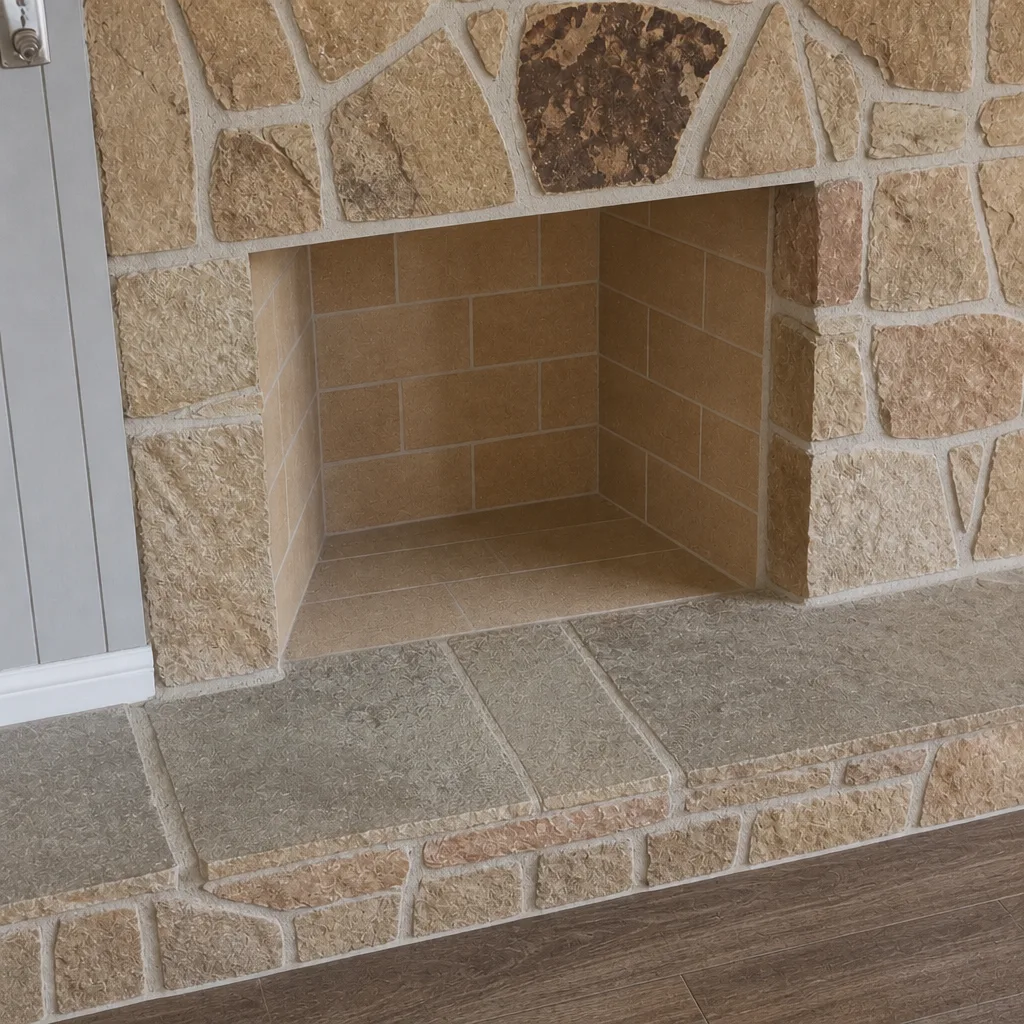
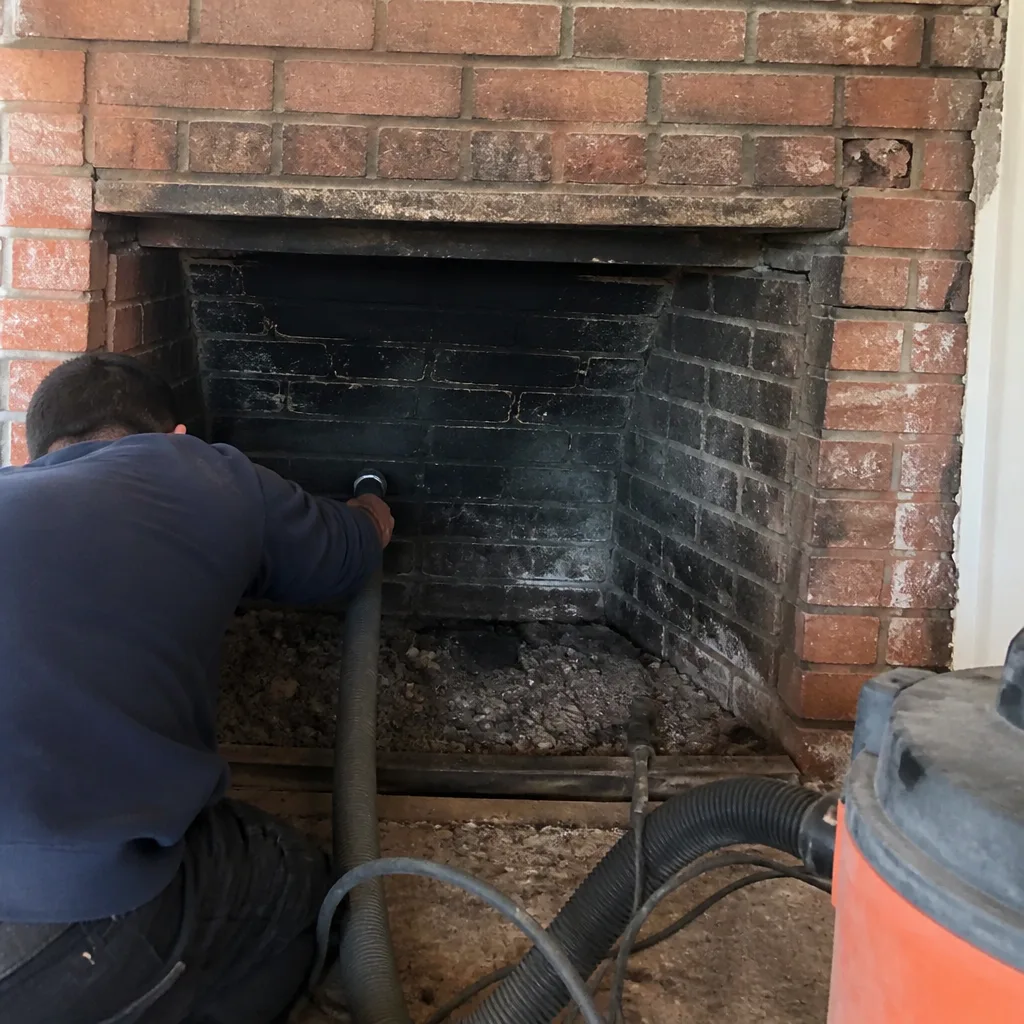
See the difference
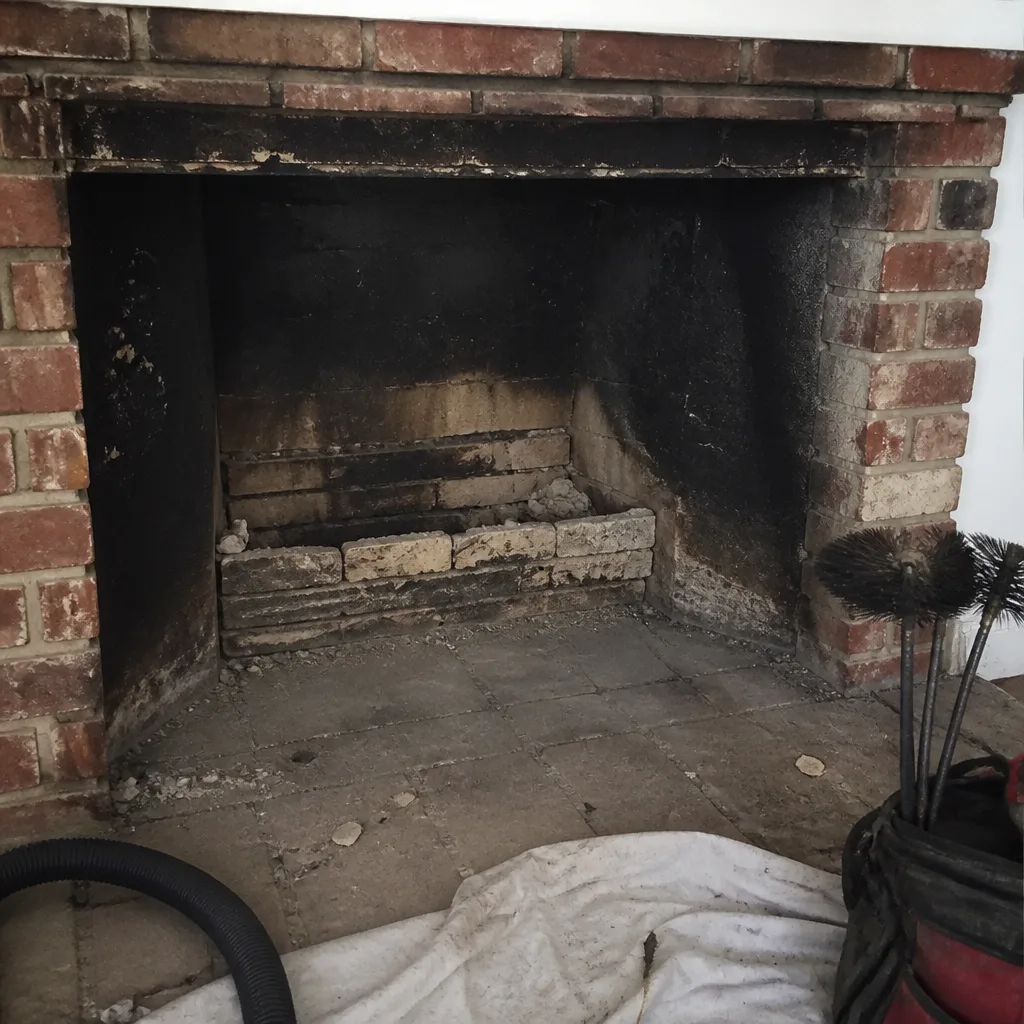 Before
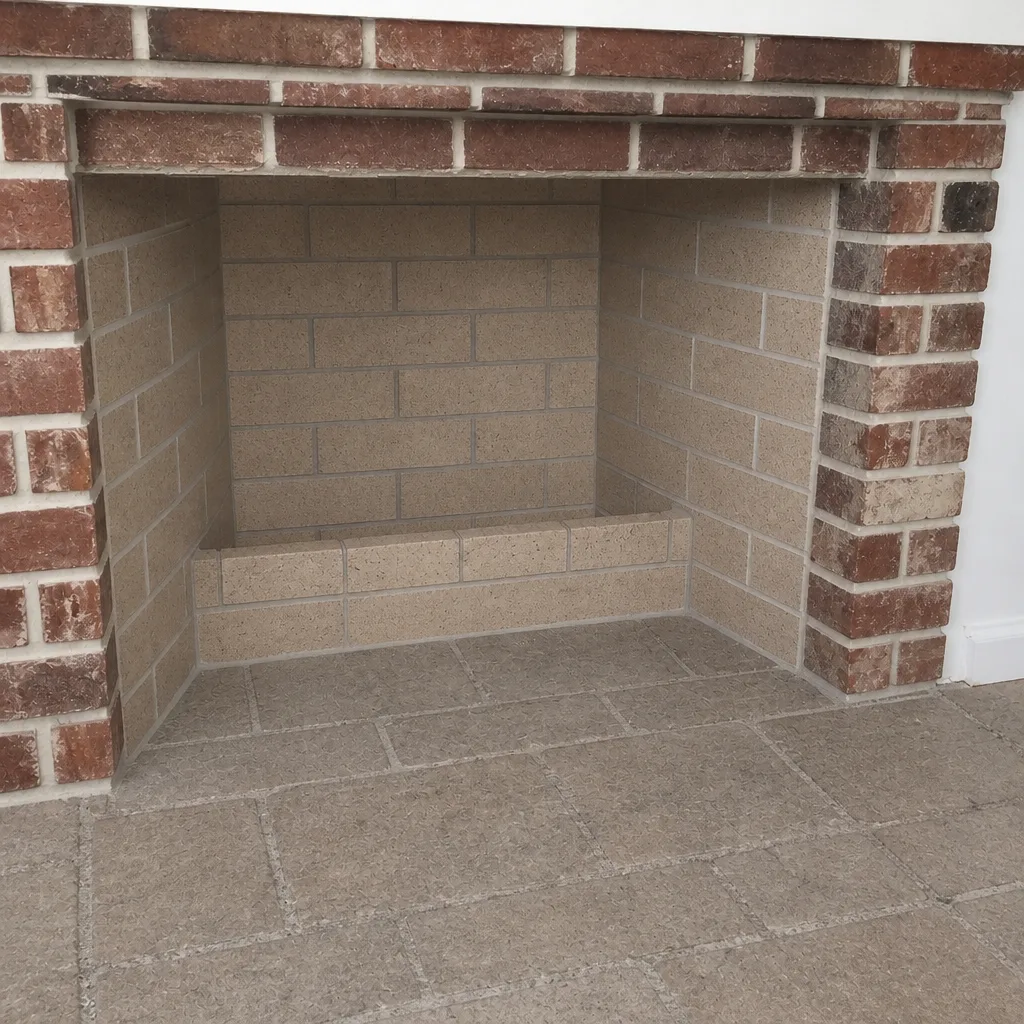 After
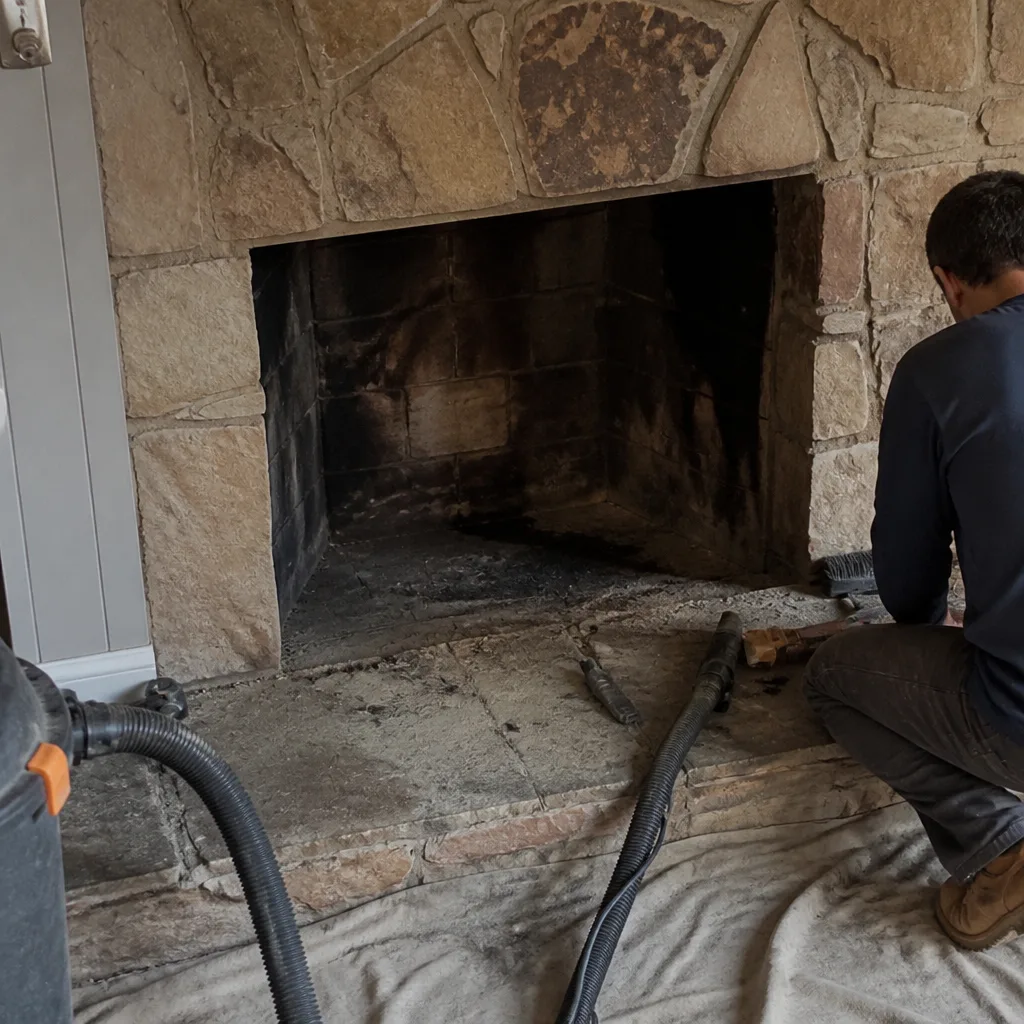 Before
 After
 Before
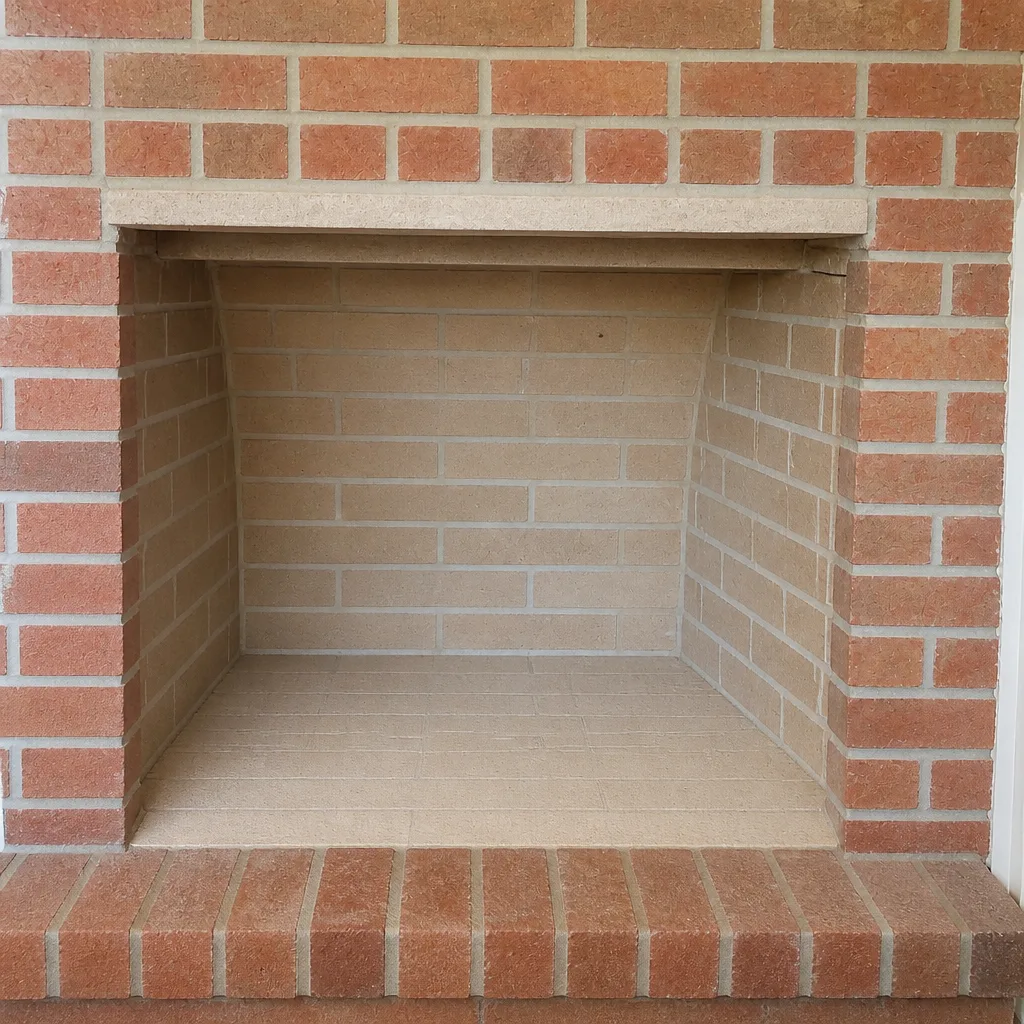 After