
Last updated November 4, 2026
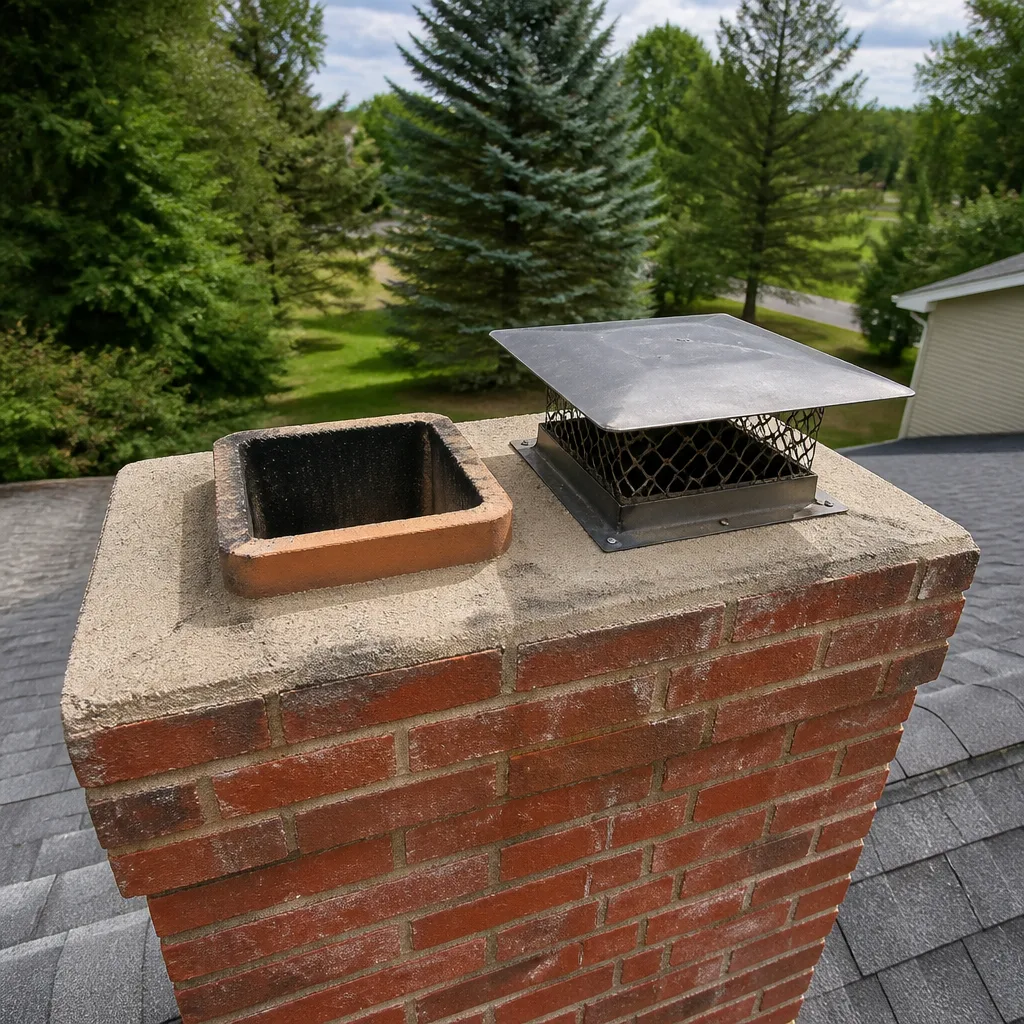 Sweep & inspection
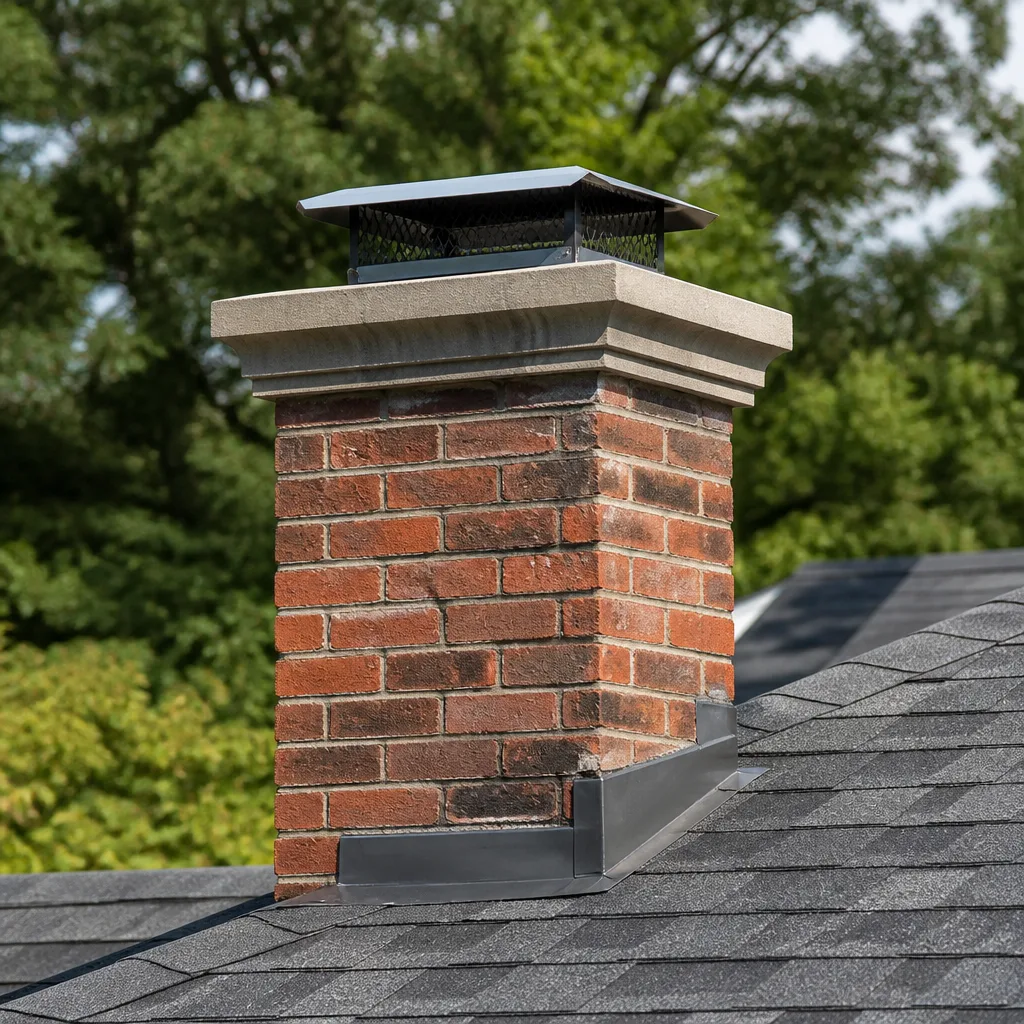 Caps & crowns
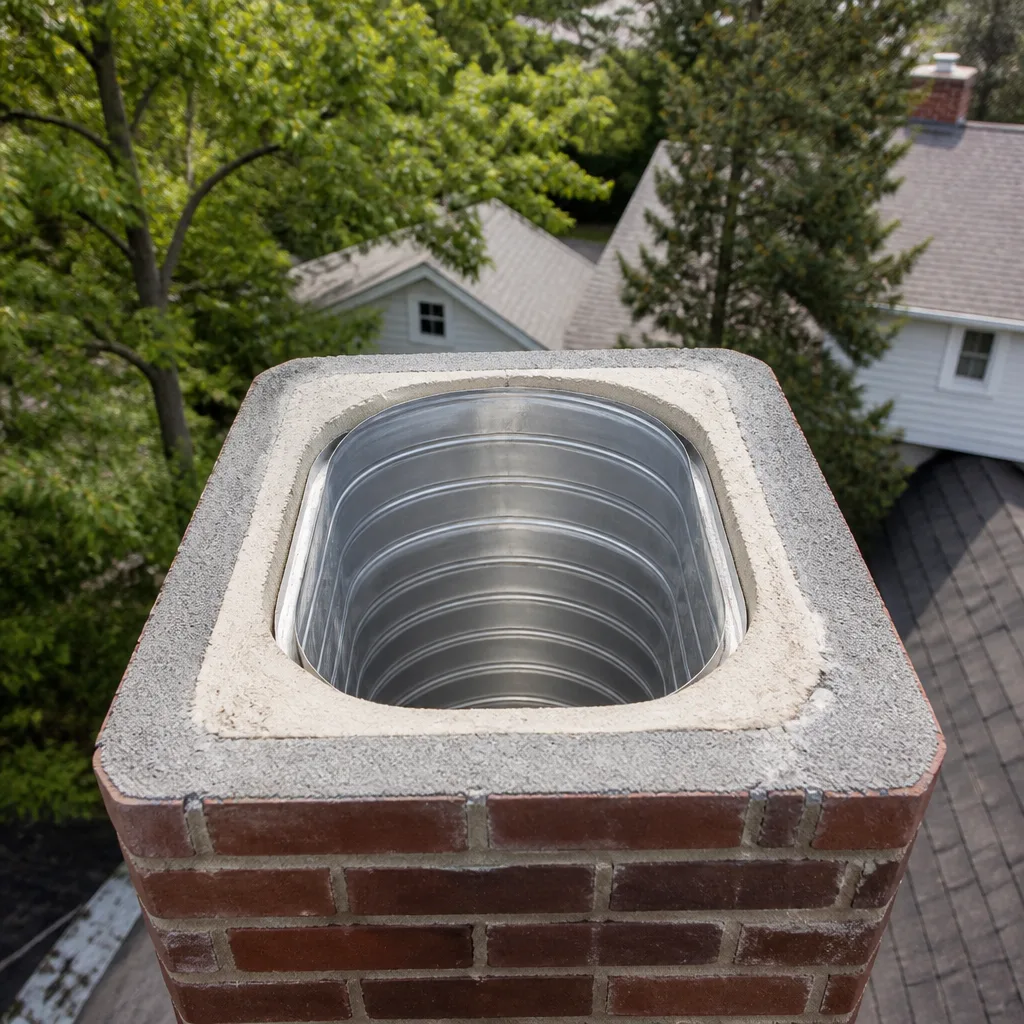 Flue relining
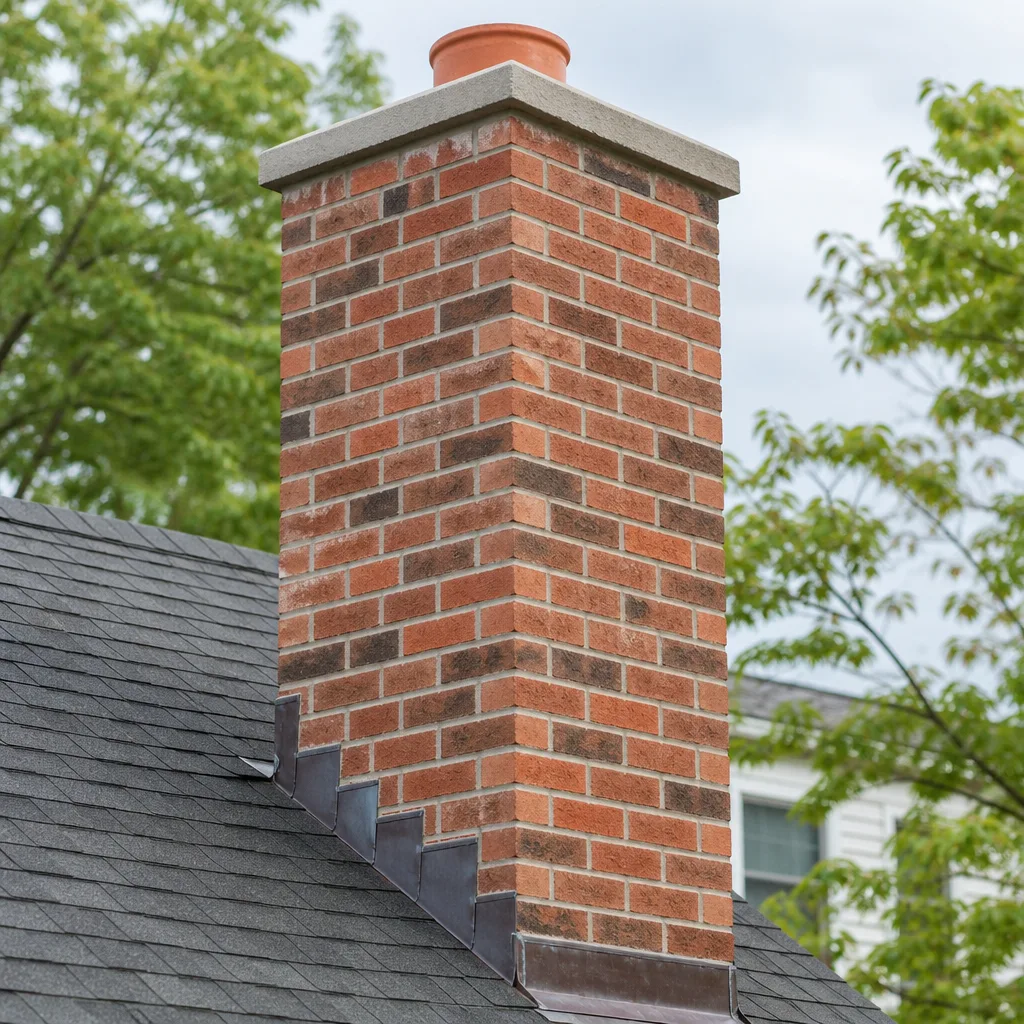 Masonry repair
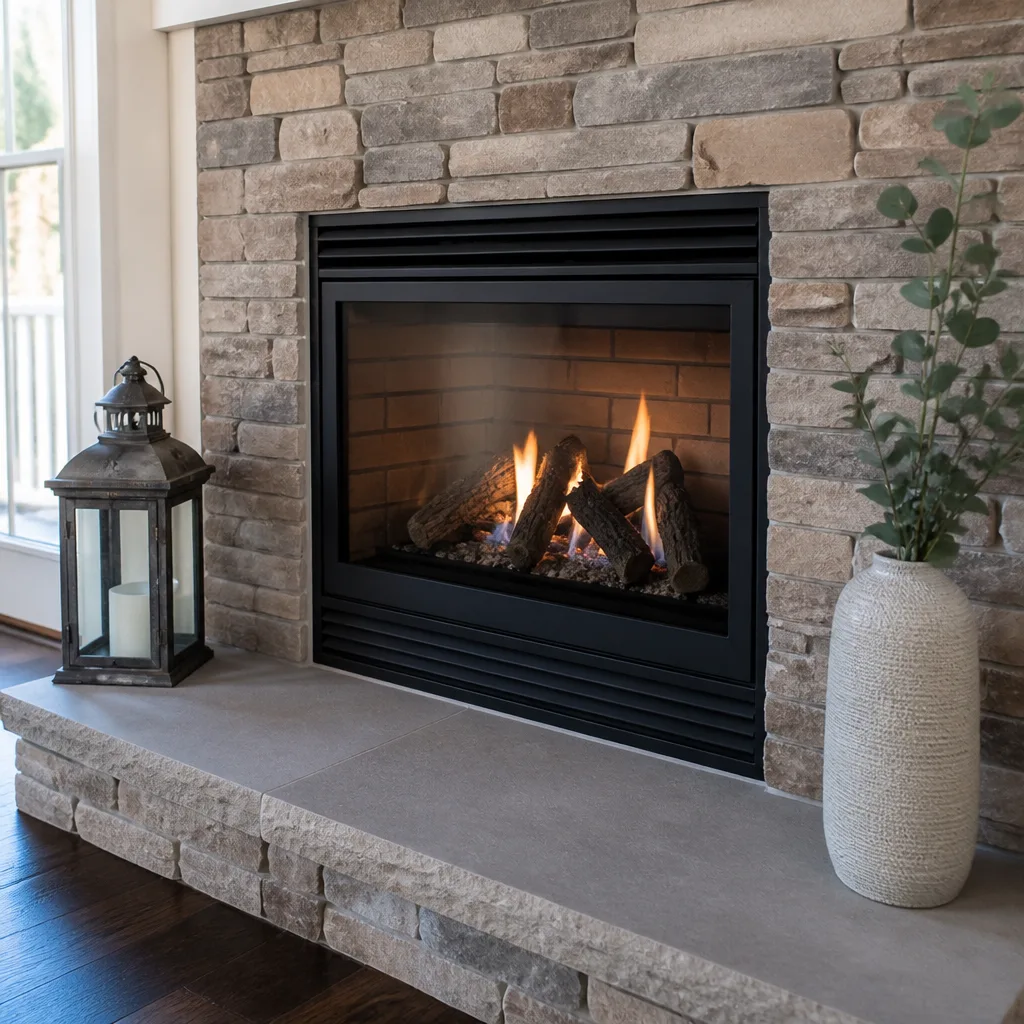 Gas fireplace service
Level 1 sweep and inspection to the NFPA 211 annual standard - flue, crown, cap, and flashing checked and photographed
Chimney sweep logs do not sweep chimneys. They loosen some creosote - which then falls where a brush and vacuum still have to collect it.
Chimney Sweep Maintenance Schedule: What to Do and When
Most homeowners in Montebello treat chimney maintenance as one appointment in late fall: sweep it, check the box, done. That single visit is better than nothing, but it misses the actual rhythm of how a chimney degrades through the year. In a mild Southern California climate, water intrusion in spring and wind-driven debris in fall cause more damage than heavy burning ever will. This guide breaks down a realistic maintenance calendar built around Montebello’s weather patterns, fuel types, and the specific failure points we see on houses built before 1990. You’ll learn what to do each season, what intervals actually make sense for your fuel type, and which components need replacement on fixed schedules regardless of how they look.
Quick Answer
A wood-burning fireplace needs a professional sweep once per year at minimum, with more frequent attention if you burn more than three cords annually. A gas fireplace insert needs an annual inspection and a cleaning every two years. A pellet stove needs quarterly ash removal and an annual professional inspection. In Montebello’s climate, schedule the sweep in September or October, inspect the crown and cap in June before Santa Ana winds arrive, and check for water damage after the winter rain season ends in March.
Styles & brands we work with
- Sweep & inspection
- Caps & crowns
- Flue relining
- Masonry repair
- Gas fireplace service
Table of Contents
- Why a Single Annual Sweep Is the Floor, Not the Ceiling
- Maintenance Intervals by Fuel Type
- The Montebello Maintenance Calendar: Month by Month
- What Pre-Season Actually Means in a Mild Climate
- Fixed-Schedule Component Replacement
- Why Skipping the Spring Post-Season Inspection Compounds Damage
- The Dryer Vent Connection: A Parallel Maintenance Timeline
- What Homeowners Can Check Themselves (and What They Shouldn’t)
Why a Single Annual Sweep Is the Floor, Not the Ceiling
The National Fire Protection Association standard that most chimney professionals reference says chimneys should be inspected at least once a year and cleaned as needed. That’s the minimum for safe operation. What the standard doesn’t address is how a chimney behaves when it’s not in use, and that’s where a single annual appointment falls short.
In Montebello, a fireplace might sit idle for seven or eight months out of the year. During that idle window, two things happen. First, the chimney cap and crown take direct summer sun for months, which stresses the mortar and metal joints. Second, the mild winter wet season means rain finds its way into hairline cracks that went unnoticed the previous fall. By the time the next sweep happens, a $200 crown repair has become a $3,000 rebuild that includes replacing water-damaged masonry in the upper flue.
A better mental model is to think of chimney care as having three checkpoints: a pre-burn sweep in early fall, a spring post-season moisture inspection, and a summer cap and crown check before Santa Ana winds arrive. Each checkpoint has different priorities. The fall visit is about creosote and combustion safety. The spring visit is about water intrusion. The summer visit is about wind damage and animal intrusion. Skipping any one of them means the next checkpoint inherits a problem that has had months to get worse.
This three-checkpoint structure is standard practice among full-service chimney contractors. A chimney sweep in a mild climate has to think past creosote accumulation and consider the whole enclosure: cap, crown, flashing, damper, and liner. The sweep itself is the easy part. The diagnostic eye is what catches the slow failure modes.
Maintenance Intervals by Fuel Type
Different fuels create different residue, and the maintenance schedule should follow the fuel. Below are the intervals we recommend for Montebello homes, grounded in how each fuel behaves in this climate and housing stock.
Wood-burning fireplaces and stoves
- Sweep interval: Annually at minimum. If you burn more than three cords of wood per season, schedule a mid-season inspection in January to check creosote buildup.
- What actually accumulates: Creosote in three stages. Stage one is flaky soot. Stage two is a tar-like glaze. Stage three is a hardened deposit that resists brushing and often requires chemical treatment or mechanical removal.
- Montebello-specific note: Most homes in this area built before 1990 have masonry fireplaces with shallow fireboxes. These tend to direct smoke upward inefficiently, which increases creosote deposition on the smoke shelf and upper flue. If you see black flaking in the firebox between sweeps, don’t wait for the annual appointment.
Gas fireplace inserts and log sets
- Inspection interval: Annually, regardless of how little you use it.
- Cleaning interval: Every two years, or annually if the unit vents into a masonry chimney that also serves another appliance.
- What actually fails: This is the counterintuitive part. Gas produces no creosote, but it does produce acidity, and the real failure modes are spider webs in the pilot assembly, debris nesting in the vent, and gasket deterioration on the glass door frame. A gas log set that has sat unused since February will accumulate enough cobweb material in the burner ports to cause uneven flame and incomplete combustion by the next season.
- Montebello-specific note: Spiders are the single most common service call for gas fireplaces in the San Gabriel Valley. The web material is fine enough to block a burner port, and it’s conductive enough to short an igniter. An annual inspection catches this before the first cold evening, which in Montebello often lands in late October.
Pellet stoves
- Ash removal: Quarterly, more frequently if the stove runs daily in winter. Pellet fuel produces a fine ash that packs into the burn pot and reduces airflow, which drops efficiency and increases burn errors.
- Professional inspection: Annually, with a focus on the vent termination, the auger bearing, and the door gasket. The auger bearing on most residential pellet stoves wears predictably and should be checked as a wear item.
- Montebello-specific note: Pellet stoves are uncommon in this area’s pre-1990 housing stock but appear in some ranch-style homes. The venting on these units is often short horizontal runs through an exterior wall, which means wind-driven debris from Santa Ana events can enter the termination cap.
The Montebello Maintenance Calendar: Month by Month
Here is a working timeline you can anchor to the calendar. It accounts for Montebello’s actual weather pattern: wet season from November through March, Santa Ana winds peaking in September and October, and the first real fireplace usage typically beginning in late October or early November.
March to April: Post-rain-season moisture inspection
- Inspect the crown for new cracks. The crown is the concrete surface at the top of the chimney. Hairline cracks that formed during the previous summer’s heat open further after winter rain, then trap water that sits against the flue tile.
- Check the flashing where the chimney meets the roofline. This is the most common water entry point in any chimney system, and the mild but steady rains of a Montebello winter reveal it.
- Run a flashlight up the flue from the firebox and look for dark streaks running down the tile. Dark vertical streaking means water has been moving along the inside of the flue.
- Check the damper for rust. A rusting damper after the rain season means water intrusion above it.
This is the inspection that most homeowners skip, and it’s the one that prevents the most expensive repairs. A chimney sweep specializes in identifying these early signs. If you skip spring, water that entered in February sits in the masonry all summer, and the next time you see it is a stained ceiling in October.
June to July: Pre-Santa-Ana cap and crown check
- Verify the chimney cap is still properly seated. Santa Ana winds in Montebello routinely reach 40 to 60 miles per hour in the foothill corridors, and a loose cap becomes a projectile risk and an entry point for wind-blown embers.
- Inspect the spark arrestor mesh on the cap. Mesh with gaps wider than 3/4 inch fails its purpose, which is to keep burning embers from leaving the flue and to keep birds out.
- Check the crown for sun-related expansion cracks. This is the season when they form. A flexible crown coating or cementitious patch applied in June prevents wet-season intrusion in November.
- Look for bird or rodent activity in the flue. Nesting season peaks in spring and early summer, and a chimney that was clean in March can have an active nest by June.
September to October: Pre-burn sweep and functional test
- Have the flue professionally swept if you burn wood. This is the pre-season appointment that most Montebello homeowners picture as the entire maintenance calendar. It matters, but it’s one of three checkpoints.
- Have the gas appliance inspected and pilot assembly cleaned. The spider-web issue peaks through summer, and the first cold evening of the year is the single worst time to discover the igniter has failed.
- Test the damper operation. A damper that sticks or doesn’t seat fully is a draft problem and a carbon monoxide risk when the fire is smoldering.
- If the home has a carbon monoxide detector near the fireplace, test or replace the battery. This is a required complement to any combustion appliance, and the pre-season date is the sensible anchor for replacement.
November to February: In-season awareness
- Watch for smoke rollout into the room during lighting. In Montebello’s mild weather, a cold flue can create a reverse draft on the first few fires of the season. Opening a nearby window helps establish draft, but recurring rollout indicates a flue obstruction or sizing issue.
- Pay attention to creosote odor inside the house on humid days. That odor means stage two creosote is present in the flue and should be removed before the next burn.
- If the fireplace or stove is burning three or more cords of wood through the season, schedule one mid-season sweep in January. This is the usage level where creosote accumulation outpaces an annual schedule.
- Keep the damper closed when the fireplace is not in use. This prevents the house from losing conditioned air up the flue, which matters in early-season heat waves when the air conditioning is running.
What Pre-Season Actually Means in a Mild Climate
In much of the country, the pre-season appointment is driven by the first frost. The chimney gets swept before the heating season begins, and the calendar is obvious. In Montebello, the first fire of the year often happens during a late-October heat wave, when daytime temperatures are still in the 80s and the fire is lit more for atmosphere than for heat.
This odd timing creates a specific failure pattern. A homeowner decides to light a fire on a warm evening, opens the damper for the first time in eight months, and encounters a wall of spider silk, a dead bird, or a damper that won’t open fully because the hinge has seized. The pest control issue aside, the real risk is that the homeowner lights the fire anyway. A partially blocked flue on a warm evening means the draft is weak, and the combustion gases that don’t exit the flue enter the living space.
If you’ve been treating the pre-season sweep as something you’ll do when the weather turns cold, you’re already late in this climate. Move the pre-burn appointment to September. That way the fireplace is ready before the first impulse use, not after it. And if you use the fireplace only a handful of times each year, the annual inspection matters even more, because the long idle stretches between uses are when debris accumulates and components seize.
Fixed-Schedule Component Replacement
Some chimney components wear on time, not use. They should be replaced on fixed intervals regardless of how they look or how much the fireplace has been used. Here are the items that belong on a replacement calendar.
Door gaskets on wood stoves and gas fireplaces
Fiberglass rope gaskets on stove doors and glass panels compress with heat and age. A gasket that has lost its spring no longer seals, which changes the unit’s air-to-fuel ratio. On a wood stove, that means an overfiring risk. On a gas unit, it means incomplete combustion and a higher carbon monoxide output. Replace door gaskets every five years as a default, sooner if the door passes the dollar-bill test: close the door on a dollar bill and pull. If the bill slides out easily, the gasket is done.
Smoke chamber sealant
The smoke chamber is the transition zone above the firebox and below the flue. Poured or troweled sealant in this zone degrades with each heating cycle and begins to crack. Those cracks let hot gases reach combustible framing around the chimney. A Chimney Sweep Montebello technician checks this area as part of every sweep, and resurfacing the smoke chamber with a product like HeatShield is a targeted fix that restores the seal without rebuilding the fireplace.
Damper seals and hardware
The traditional throat damper above the firebox is a cast iron valve that rusts, warps, and seizes. It’s one of the cheapest parts in the system and one of the most consequential when it fails. A damper that won’t close bleeds conditioned air out of the house year-round. A damper that won’t open fully is a one-way ticket to a smoky living room. Check and lubricate the damper annually, and expect to replace the assembly roughly every ten years in Montebello’s dry climate, where corrosion is slow but dust and grit accumulation is heavy.
Flexible liner components on relined flues
If your chimney has been relined with a system like DuraFlex, the liner itself is stainless steel and holds up for decades. The connection hardware and the top plate are the wear points. We recommend that any flexible liner system have an annual visual inspection of the top termination and the bottom connector. Aluminum liners, which are approved for gas appliances only, have a shorter service life and should be inspected for seam separation and pinholes every five years.
Why Skipping the Spring Post-Season Inspection Compounds Damage
The cheapest repair in the entire chimney business is sealing a small crack before it becomes a big crack. And the season when that repair is cheapest is spring, right after the rain season ends.
Here is how the compounding works. A hairline crack opens in the crown during summer sun exposure. Winter rain enters that crack. Because the crack is fine, the water doesn’t drip dramatically enough for anyone to notice. It sits inside the masonry, and during the warm spring it evaporates. The next summer’s heat expands it further. The next winter’s rain penetrates deeper. After two or three cycles, the crack is wide enough to let water through to the interior flue, and now the homeowner sees a water stain on the ceiling near the fireplace.
By the time the stain appears, the repair has moved from a crown patch to a crown rebuild plus possible flue tile replacement. The spring inspection breaks this cycle because it catches the crack in its smallest, cheapest state. It also catches flashing failures that revealed themselves during winter rain but won’t show any visible sign from the ground. Meticulous moisture inspection after the wet season is the single highest-value maintenance action on this calendar, and it’s the one that a majority of homeowners skip because the fire is out and nothing appears to be wrong.
The Dryer Vent Connection: A Parallel Maintenance Timeline
The combustion-exhaust risk in a home is not limited to the fireplace. The dryer vent is the second exhaust system that routes combustion byproducts out of the house, and it runs on a maintenance schedule that mirrors the chimney.
Lint accumulates in dryer ducting the way creosote accumulates in a flue. The failure modes are parallel: reduced airflow, increased drying time, and increased fire risk. A dryer vent should be professionally cleaned annually in a typical Montebello home, and more often if the laundry room is far from an exterior wall, which lengthens the duct run and creates more surface area for lint accumulation. The same diagnostic mindset applies: inspect before clearing, then verify airflow after. Many of our customers bundle the dryer vent appointment with the fall chimney sweep. It’s the same service trip and the same technician training. This approach treats the whole combustion-exhaust system in a home as one system, and that’s how we think about it. Dryer vent cleaning is not an add-on service; it’s the same fire-risk reduction logic applied to a different appliance.
What Homeowners Can Check Themselves (and What They Shouldn’t)
There’s a meaningful difference between a homeowner’s seasonal observation and a professional inspection. The homeowner can spot visible problems. The professional spots the problems behind the visible ones. Here’s a practical split.
What to check yourself, seasonally
- The cap from the ground: Look for a cap that’s tilted, missing, or nearly invisible behind bird activity. You’re not looking for fine details; you’re looking for obvious displacement.
- The firebox surface: A flashlight into the firebox after the rain season will reveal dark water streaks or rust. Those are your early water-intrusion signals.
- The damper: Open and close it slowly once a month during the burn season. You’re checking for smooth travel, not forcing a seized unit.
- The smoke pattern: When a fire is burning well, the smoke should pull cleanly up. Smoke that hangs in the firebox or pushes out into the room on a regular basis is a draft or obstruction problem that belongs to a professional.
What to leave to a professional
- Any work on the top of the chimney: Crown repair, cap replacement, or flashing work is roof work. The fall hazard is not worth the savings.
- Creosote removal: Stage two and stage three creosote requires chemical treatment and specialized tools. Brushing it yourself sends hardened creosote up the flue and into the cap, where it can become an obstruction.
- Liner inspection: The interior of a flue is not visible from the firebox or the roof opening. A professional inspection uses a camera to check for cracked tile, separated joints, and hidden damage. We diagnose before we quote, which means the camera inspection happens before any repair recommendation.
- Gas appliance diagnosis: A gas log set that won’t stay lit might be a thermocouple, a pilot assembly, or a cracked gas line. The diagnostic equipment belongs in a service van, not a garage shelf.
Common Mistakes to Avoid
- Skipping the sweep because the fireplace wasn’t used much. Infrequent use creates the debris problems that annual inspections catch: spider webs, nests, and seized dampers. A gas fireplace used three times a year still needs its annual inspection.
- Treating the fall sweep as the entire maintenance calendar. The fall sweep handles creosote. It does not handle spring moisture intrusion or summer cap displacement. Those need their own checkpoints.
- Using a big-box chimney log instead of a professional sweep. Chemical sweep logs soften stage one creosote but don’t remove it, and they do nothing for stage two and three deposits. They also provide no inspection value.
- Assuming gas means zero maintenance. Gas produces no creosote, but the gaskets, pilot assemblies, and vent terminations fail on their own schedules. The clean-fuel assumption is what leads to an igniter that fails on the first cold evening.
- Delaying a small crown repair until the fall sweep. A hairline crack in the crown that gets patched in June costs a fraction of the same crack after a winter of water intrusion. Waiting turns a surface patch into a structural repair.
- Ignoring the dryer vent because it’s not a fireplace problem. The dryer vent has the same ignition-risk profile as a chimney and runs on the same annual maintenance rhythm. Combining both services on the same trip is the sensible approach for a home in Montebello.
See the difference
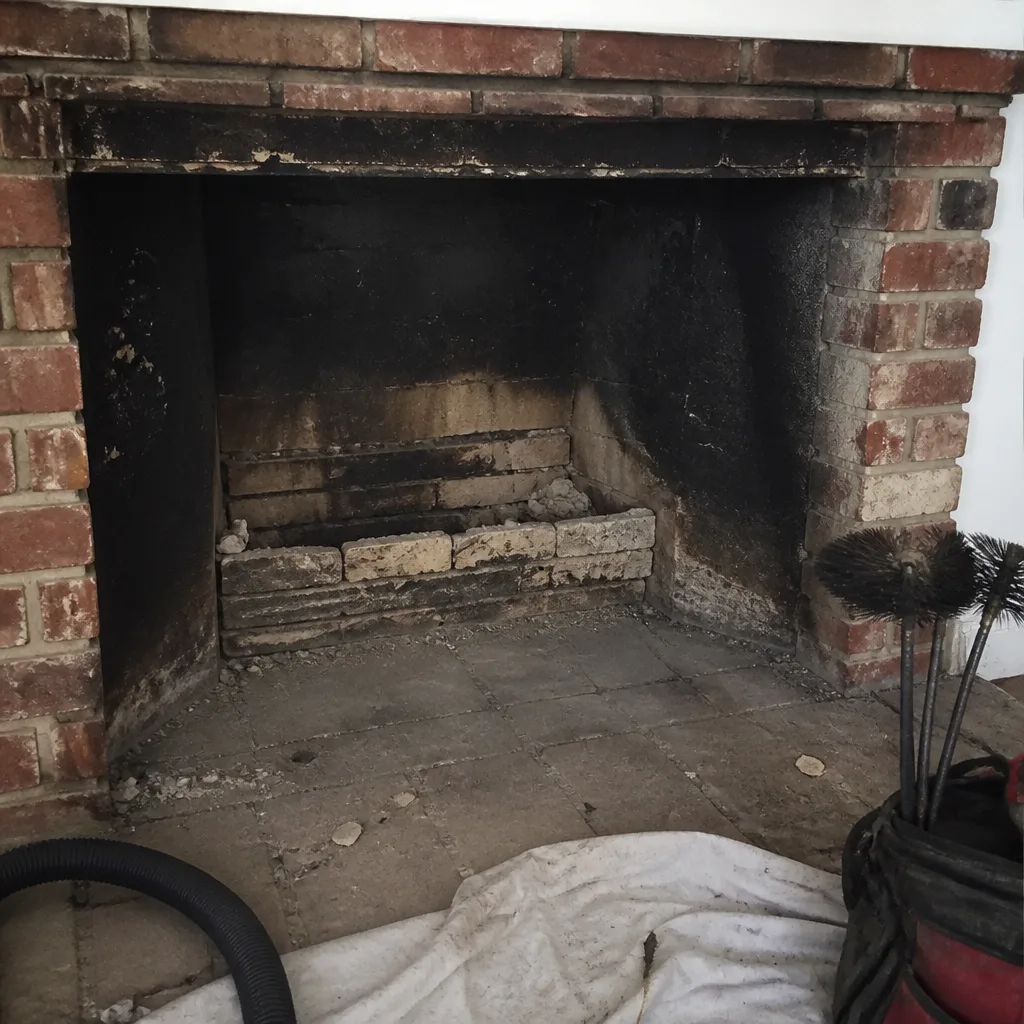 Before
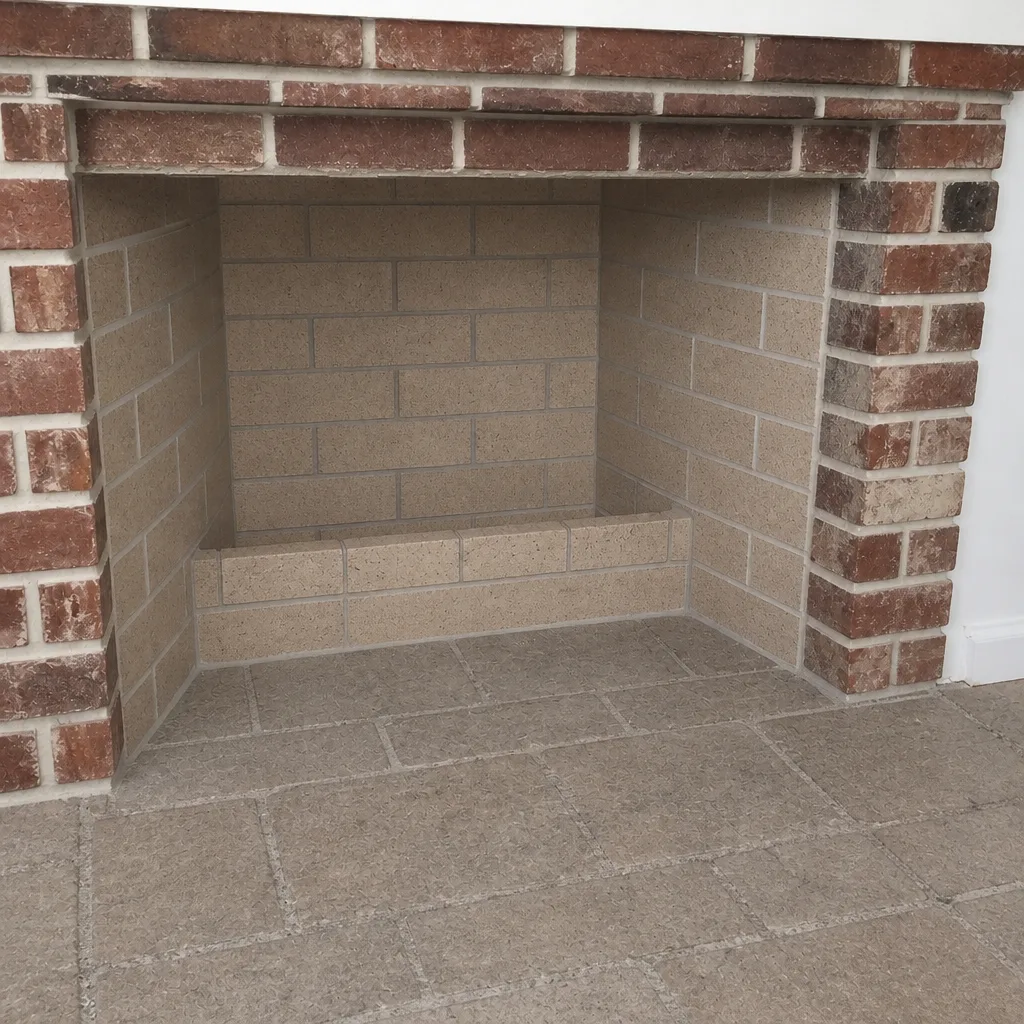 After
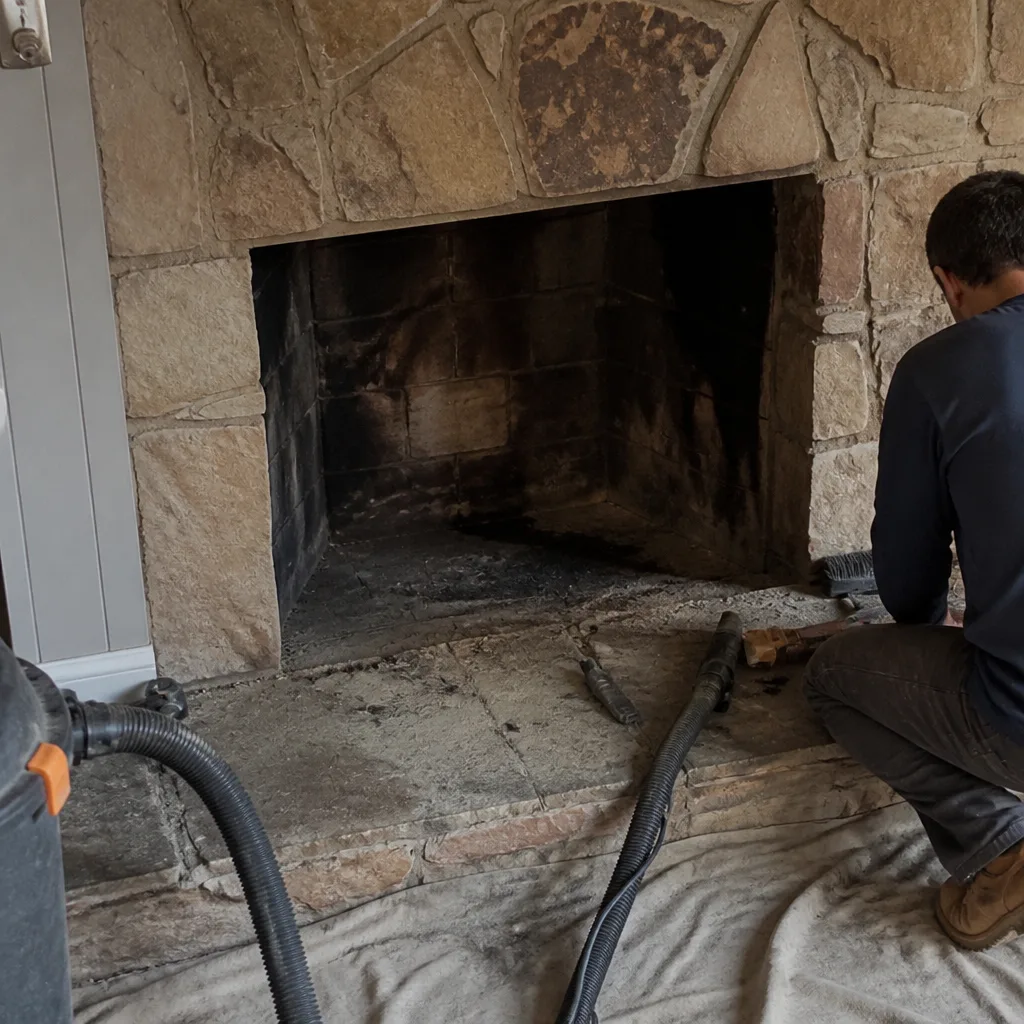 Before
 After
 Before
 After
When to Call a Professional
Call a professional when you see dark water streaks running down the flue tile after a rain, smoke rolling into the room during lighting, a damper that won’t move, or creosote odor in the house on humid days. Call when the chimney cap is visibly displaced, when a gas fireplace won’t stay lit, or when the dryer takes twice as long to dry a load. These are diagnostic signs, not cosmetic concerns, and each one points to a specific failure mode that a trained eye can identify in a single visit.
If you’re in Montebello and want a professional opinion, Chimney Sweep Montebello offers free estimates in the area. We diagnose before we quote, and we can tell you which season’s checkpoint you’re due for. Call (833) 362-8107. We answer 24/7. Fast dispatch from 7am to 7pm, Sunday through Friday.
Frequently Asked Questions
A wood-burning chimney should be swept at least once per year, and more often if you burn more than three cords of wood per season. A gas fireplace needs a professional inspection annually and a cleaning every two years. The sweep interval is driven by fuel type and usage volume, not by a universal calendar rule.
Chimney sweep pricing in Montebello depends on the condition of the flue, the access difficulty, and whether the homeowner is bundling the service with a dryer vent cleaning. The written estimate sets the final price, and the estimate is free. Call (833) 362-8107 for a quote specific to your chimney.
Yes. Gas fireplaces produce no creosote, but they accumulate spider webs in the pilot assembly, debris in the vent termination, and gasket deterioration on the glass door. These are the actual failure modes that make a gas unit unreliable or unsafe, and they happen on a time-based schedule regardless of how little the unit is used.
In a wood-burning chimney, creosote continues to accumulate and eventually reaches a stage where it is difficult to remove without chemical treatment. In a gas fireplace, debris accumulates in the burner ports and pilot assembly. In both cases, the unit fails when you need it, and the first failure is often the one that requires the most involved repair.
In many cases, a damaged flue liner can be resurfaced rather than fully replaced. HeatShield is a proprietary system that restores the interior surface of a damaged flue, and it’s a code-compliant repair path that avoids demolition. The right answer depends on the condition of the existing liner, which is why we inspect with a camera before recommending anything.
You can inspect the visible surfaces and check the damper operation, but creosote removal and liner inspection should be done by a trained professional. Stage two creosote doesn’t respond to brushing the way stage one does, and a liner problem hidden behind a creosote layer requires a camera to identify. The safety risk on a roof and the diagnostic value of professional inspection both argue against DIY cleaning.
The Bottom Line
A single fall sweep is the minimum, not the standard. The chimney that gets a thorough post-rain inspection every March, a cap and crown check every June, and a pre-burn sweep every September is the chimney that doesn’t surprise its owner with a $3,000 repair in a few years. The schedule shifts by fuel type: wood burners need annual sweeps, gas users need annual inspections, and pellet stove owners need quarterly ash management. The fixed-schedule replacements such as door gaskets, damper seals, and smoke chamber sealant need attention regardless of how the chimney looks. In Montebello’s mild climate, the biggest threats are water intrusion, wind damage, and spider debris, not heavy creosote. Schedule around those, and the fireplace becomes the reliable part of the house it should be.
Written by the team at Chimney Sweep Montebello, serving Montebello since 2015.