
Last updated November 4, 2026
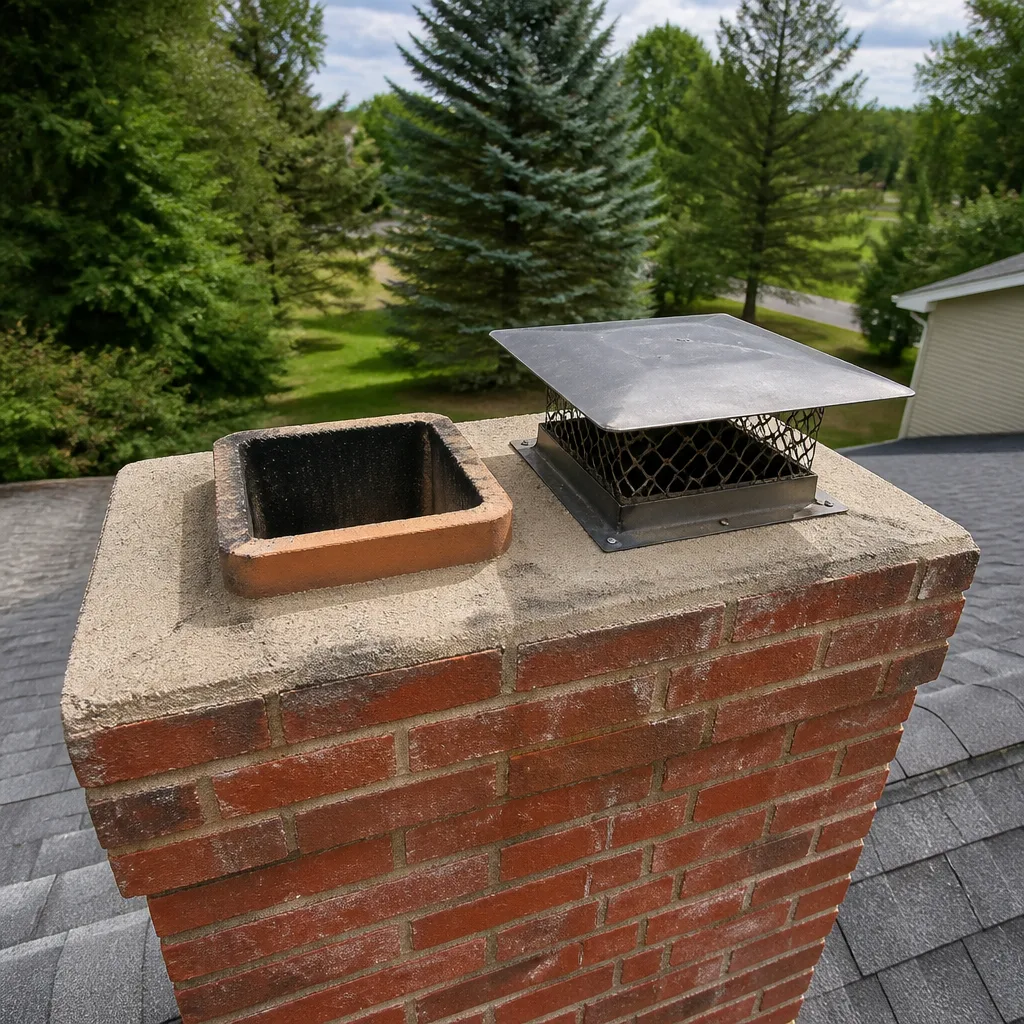 Sweep & inspection
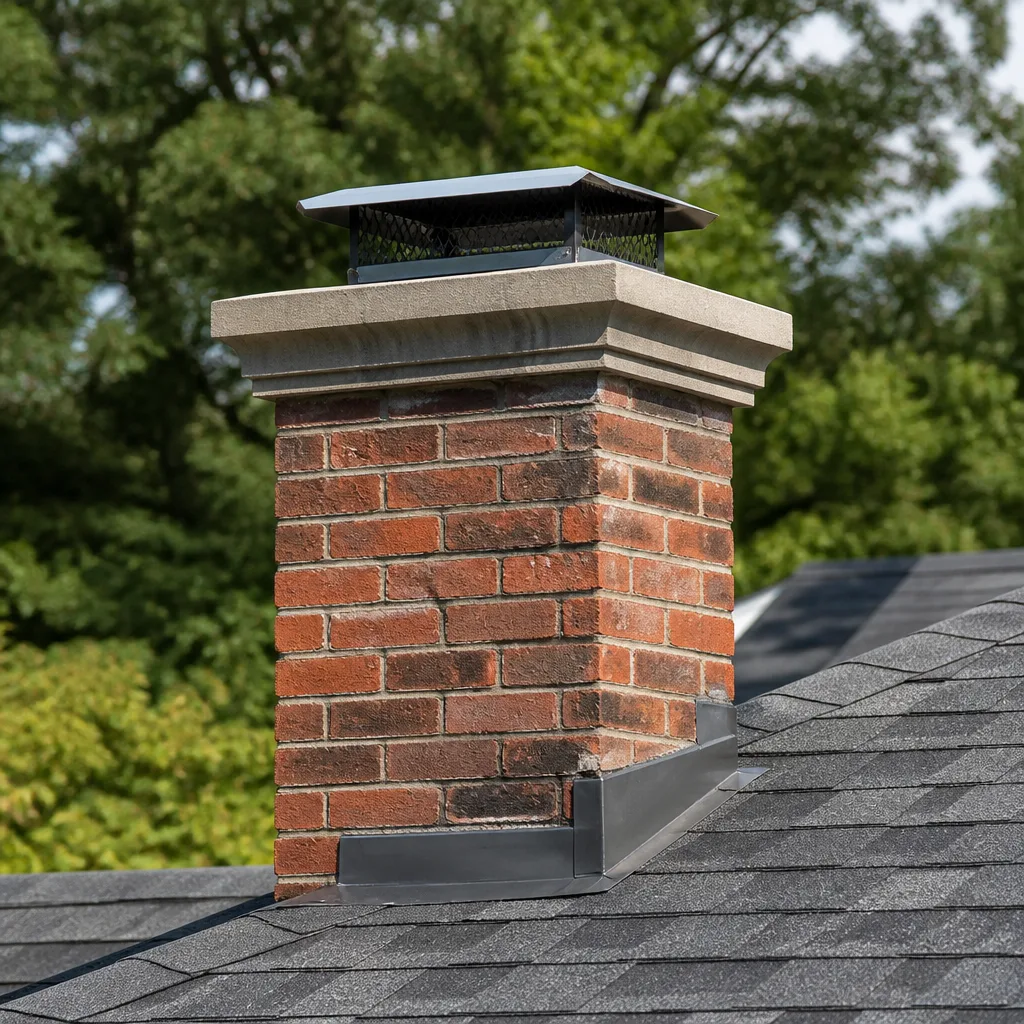 Caps & crowns
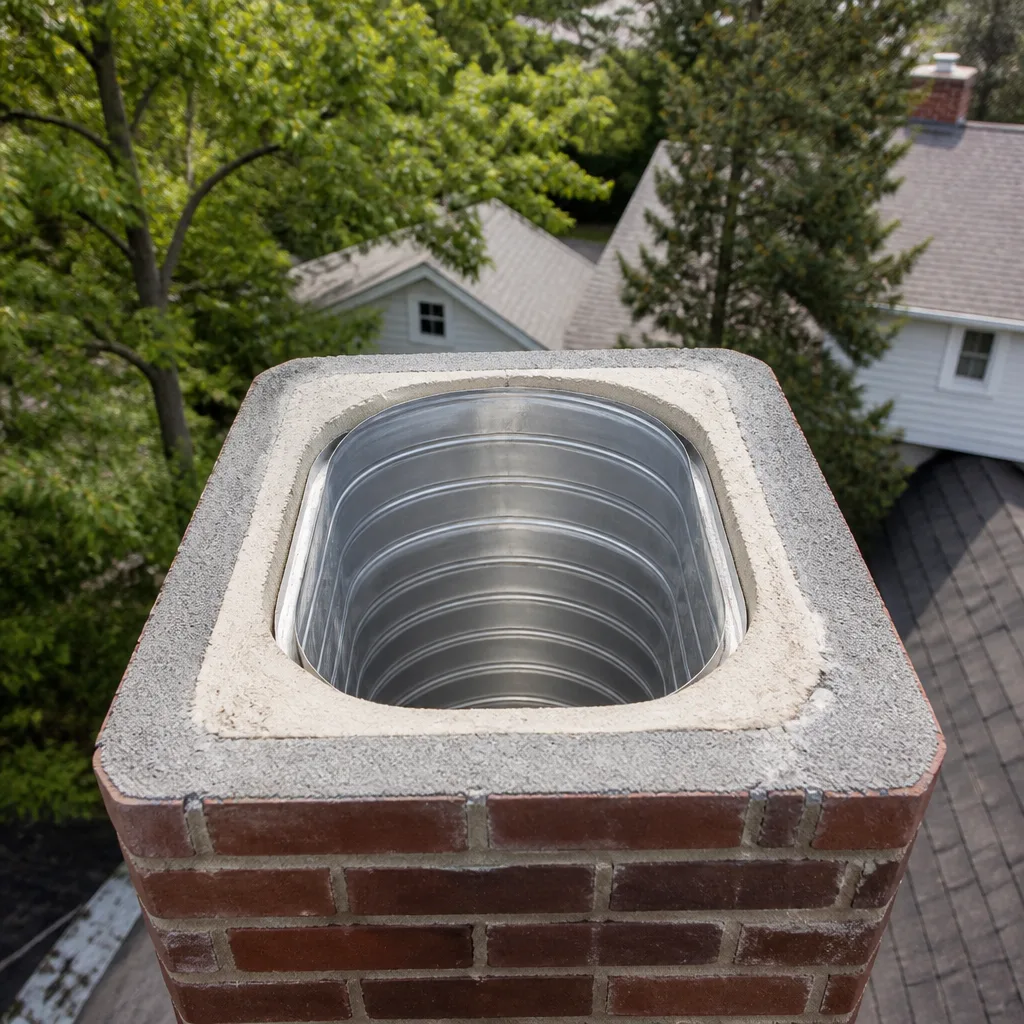 Flue relining
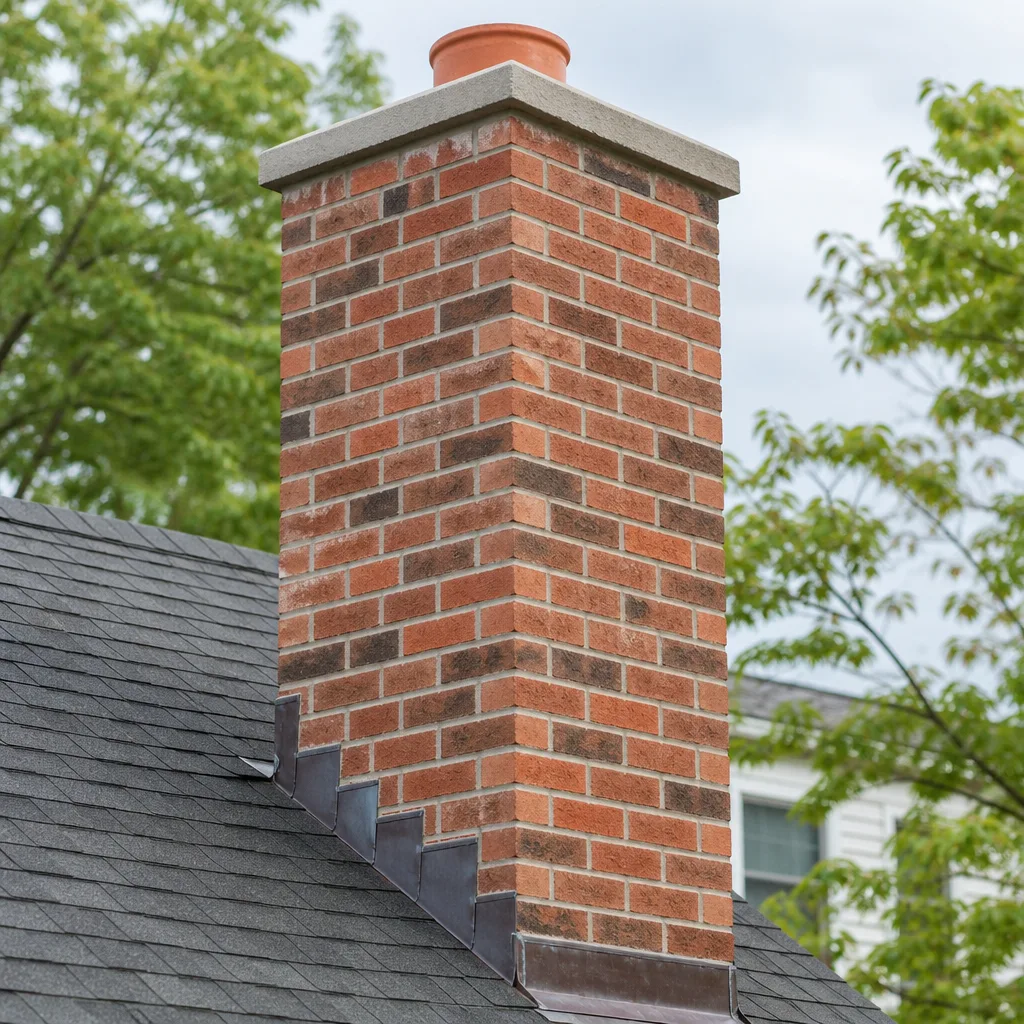 Masonry repair
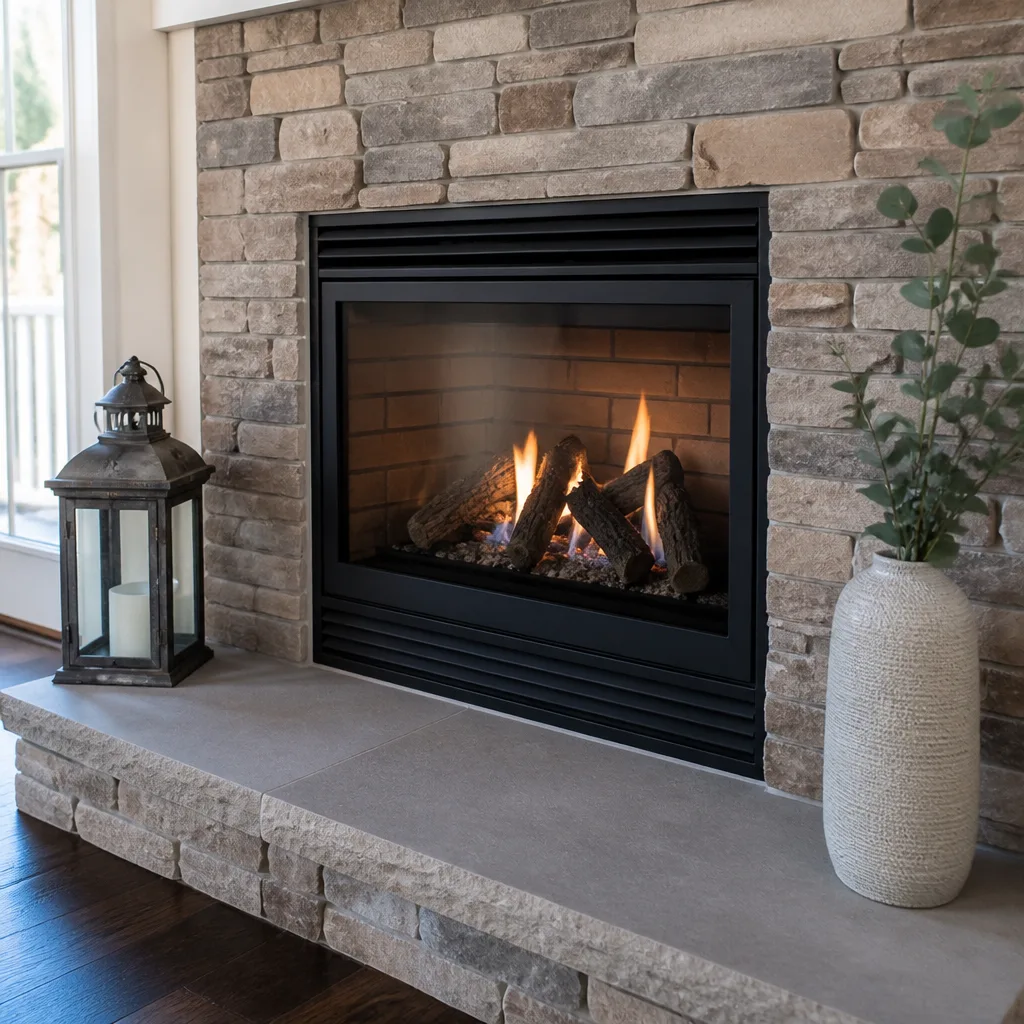 Gas fireplace service
Level 1 sweep and inspection to the NFPA 211 annual standard - flue, crown, cap, and flashing checked and photographed
Chimney sweep logs do not sweep chimneys. They loosen some creosote - which then falls where a brush and vacuum still have to collect it.
The Complete Guide to Chimney Cleaning in Montebello
Montebello’s housing stock skews heavily toward mid-century masonry fireplaces, many of which were lined with clay tile that is now at or past its 50-year service ceiling. That tile was built to last, but no liner lasts forever, and a chimney that looks fine from the roofline can be hiding cracks, gaps, and creosote buildup that a visual glance misses. Most national chimney guides never mention this because they don’t know your zip code. This guide does. You’ll learn how Montebello’s specific burn patterns, fuel types, and construction era create a local risk profile that changes how cleaning should be done, how often, and what your technician should be looking for beyond the sweep.
Quick Answer
Chimney cleaning in Montebello typically involves a professional sweep using rotary brushes or a power vacuum to remove creosote and soot, paired with a Level I inspection that checks the flue liner, damper, and chimney cap. Because many Montebello homes were built before 1990 with clay tile liners now past their expected service life, the inspection component matters as much as the cleaning itself. A proper cleaning visit should end with both a clean flue and a written report on liner condition, not just a receipt.
Styles & brands we work with
- Sweep & inspection
- Caps & crowns
- Flue relining
- Masonry repair
- Gas fireplace service
Table of Contents
- Why Montebello Chimneys Are Different
- How Often Should You Clean a Chimney in Montebello?
- The Three Cleaning Methods and When Each Applies
- Liner Condition: The First Diagnostic Question
- Gas-Converted Fireplaces Still Need Annual Inspection
- What a Cleaning Visit Should Actually Produce
- Common Mistakes to Avoid
- When to Call a Professional
- Frequently Asked Questions
Why Montebello Chimneys Are Different
Southern California wood-burning patterns have little in common with the cold-climate chimneys that most national guides assume. A homeowner in Minneapolis burns wood from October through April, producing relatively steady, lower-intensity creosote deposits that build gradually over months. A homeowner in Montebello might light a fire only on the dozen or so evenings when the temperature actually drops, burning through short, intense sessions during the fall and early winter. That pattern creates what we call seasonal surge loading: creosote deposits form quickly during concentrated burn periods, then sit untouched for months. When the next season arrives, new creosote layers stack onto the old, and because the deposits have had time to harden between burns, they don’t brush off as easily. The result is a chimney that can reach dangerous creosote levels in fewer fires than a cold-climate chimney would.
Add to this the age of Montebello’s housing stock. A significant portion of homes in the city were built between the 1940s and 1970s, a period when clay tile flue liners were the standard. Clay tile is a solid material, but it has a finite life span, usually cited at around 50 years under normal use. Many Montebello chimneys are now past that mark. When clay tile cracks or spalls, the gaps expose the masonry behind it to heat and combustion byproducts, and a cracked liner changes how cleaning should be approached. A technician who doesn’t check liner condition before running a rotary brush can make a bad situation worse, expanding cracks that were already forming.
How Often Should You Clean a Chimney in Montebello?
The standard recommendation from the National Fire Protection Association is an annual inspection, with cleaning performed when creosote buildup reaches 1/8 inch or more. That guidance holds for Montebello, but the concentration of burn activity here means some homeowners may need to think about cleaning more deliberately. If you burn wood regularly, even if only on cool fall and winter evenings, plan for a sweep before the first fire of the season. If you burn occasionally and only for ambiance, an annual inspection combined with a cleaning every one to two years is reasonable, provided the inspection confirms low creosote levels.
Here’s a simple schedule that works for most Montebello homes:
- Regular wood burners (weekly fires during fall and winter): Sweep annually, before the burning season starts.
- Occasional burners (a fire every few weeks, mostly for ambiance): Inspection annually, sweep when creosote reaches the 1/8-inch threshold, usually every 12 to 24 months.
- Gas-only fireplaces converted from wood: Inspection annually. Cleaning is less about creosote and more about confirming the flue is still sound and the gas log set is venting correctly.
- Homes where the fireplace is never used: Inspection every two years. Unused chimneys still deteriorate from weather and animal activity, and a blocked flue discovered on the day you finally light a fire is a problem you don’t want.
The Three Cleaning Methods and When Each Applies
Not all chimney cleanings are the same, and a reputable chimney sweep in Montebello should be able to tell you which method your chimney needs and why. The method depends on the type and amount of buildup, the flue’s construction, and whether the liner is in good enough condition to handle the tooling.
Rotary Brush Cleaning
Rotary brushing uses a brush head attached to flexible rods, spun by a drill to scour creosote from the flue walls. It’s the workhorse method for standard masonry chimneys with moderate creosote buildup. The spinning action breaks up glazed deposits that a static brush can’t touch, and it’s effective on both clay tile and stainless steel liners when used correctly. For most Montebello homes with clay tile flues and seasonal burn patterns, rotary brushing is the appropriate method.
Chemical Treatment (Glaze-Breaking)
When creosote hardens into a glazed, tar-like coating, mechanical brushing alone often can’t remove it. This is where chemical treatments come in. Products like Gelco’s creosote modifiers are applied to the flue, where they work over days or weeks to break down the hardened glaze into a brushable powder. After the chemical dwells, a follow-up sweep removes the loosened material. Chemical treatment is slower than rotary brushing, but it’s sometimes the only method that works on stubborn glaze without aggressive mechanical force that could damage an older clay liner.
Power Vacuum Cleaning
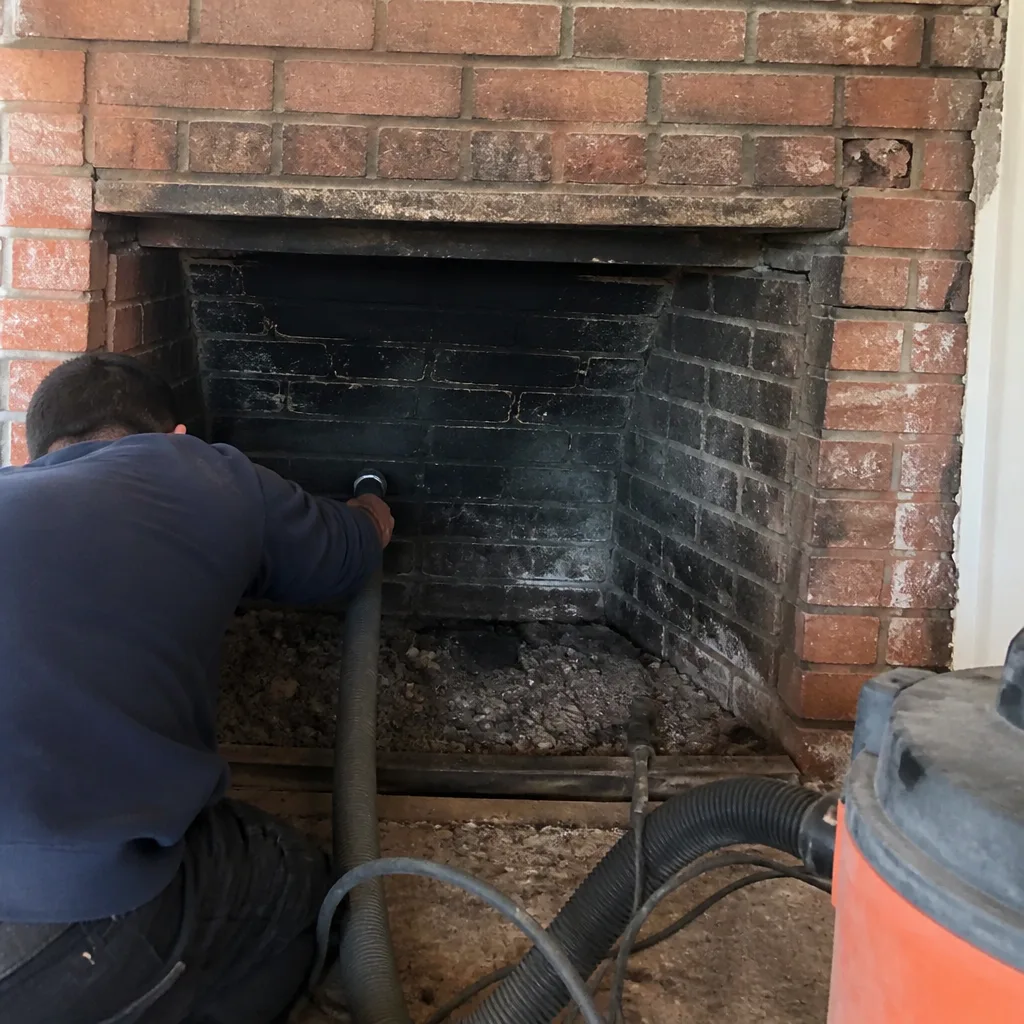
Power vacuum systems use a purpose-built vacuum, often truck-mounted, to pull soot and loose creosote out of the flue without letting it escape into the home. A proper sweep always includes some form of vacuum, but dedicated power vacuum systems are especially useful for chimneys with heavy soot, for gas-converted fireplaces where the debris is fine and powdery, and for cases where the firebox is in a finished room where dust control matters. In Montebello’s older homes, where the fireplace is often in a living room with carpet and upholstery nearby, dust containment is a real consideration.
Liner Condition: The First Diagnostic Question
Before any brushes spin, the first question should be: what shape is the flue liner in? In Montebello, where clay tile liners from the mid-century are common, this question matters more than in newer housing tracts. Clay tile liners crack for several reasons: age, thermal stress from years of heating and cooling cycles, moisture intrusion, and sometimes settlement. A cracked liner is a functional problem because it no longer contains heat and combustion gases within the flue, and it can also be a diagnostic problem because running a rotary brush up a cracked flue can extend the damage.
When we assess a chimney in Montebello, liner condition is the first thing we document. A camera inspection, not just a flashlight look up the flue, is the standard. The camera shows cracks, spalling, and gaps between tile sections that are invisible from the top or bottom. If the liner is intact, we proceed with the cleaning method that matches the creosote level. If the liner is compromised, the conversation shifts to repair options.
Here’s where specification-grade thinking matters. A cracked clay liner doesn’t automatically mean a full chimney rebuild, which is the answer some contractors default to because it’s the highest-ticket option. HeatShield resurfacing can restore many damaged clay flues by applying a ceramic coating that seals cracks and gaps and creates a smooth, continuous flue surface. The system is code-compliant and far less invasive than a rebuild. In other cases, where the flue is too far gone for resurfacing, a DuraFlex flexible stainless steel liner can be installed, which relines the chimney without demolition. The point is that liner damage should trigger a diagnosis, not an automatic quote for a rebuild.
Gas-Converted Fireplaces Still Need Annual Inspection
There’s a common belief that once a fireplace is converted to gas, the chimney doesn’t need attention anymore. The reasoning is simple: gas logs don’t produce creosote, so there’s nothing to clean. That reasoning is half right. Gas logs do eliminate creosote as a concern, but they introduce different issues that a chimney cleaning and inspection visit should address.
Gas combustion produces water vapor, and in a flue that was originally sized for a wood fire, that moisture can condense and accelerate deterioration of an older clay tile liner. Gas also burns at a lower flue temperature than wood, which means the stack effect that pulls combustion gases up and out is weaker. If the flue is partially blocked, undersized, or deteriorating, gas combustion products, including carbon monoxide, can back up into the home. An annual inspection for a gas-converted fireplace checks the liner condition, the damper, the chimney cap, and the venting path to confirm the system is moving gases out properly. The cleaning component may be minimal, but the inspection is non-negotiable.
What a Cleaning Visit Should Actually Produce
A chimney cleaning in Montebello should end with more than a clean flue and a handshake. The standard of care in the industry, defined by the National Fire Protection Association, includes three levels of inspection, and a routine cleaning falls under a Level I inspection. Here’s what that means in practice:
- A visual examination of the readily accessible portions of the chimney interior and exterior: firebox, damper, flue, chimney cap, and roof penetration.
- Confirmation that the flue is clear of obstructions and combustible deposits at the end of the cleaning.
- A written report that documents what was found, what was done, and any recommendations for follow-up. If your technician can’t or won’t produce this report, you’re not getting a Level I inspection, no matter what the invoice says.
Ask for the report before you pay. It should be simple, factual, and clear about whether the chimney is safe to use or whether repair work is recommended. At Chimney Sweep Montebello, the written report is standard on every visit, and any repair recommendation comes with camera evidence you can see for yourself. Nothing gets recommended without documentation.
Key Takeaways for Homeowners:
- Annual inspection is the baseline; cleaning frequency depends on your burn pattern.
- Montebello’s older clay tile liners make liner inspection a critical part of every visit.
- Rotary brushing, chemical treatment, and power vacuum are different tools for different situations.
- Gas-converted fireplaces need annual inspection even without creosote buildup.
- A legitimate cleaning visit produces a written Level I inspection report.
Common Mistakes to Avoid
- Assuming a visual check from the hearth is enough. You cannot see the condition of a clay tile liner from the firebox. A camera inspection is the only way to document cracks and gaps, and skipping it means cleaning a flue that may already be unsafe to use.
- Skipping the inspection because the fireplace is “hardly ever used.” An unused chimney still deteriorates. Animals nest in flues, mortar joints loosen, and the cap can rust through. When you finally light a fire, the system needs to be functionally sound, not just visually present.
- Waiting until you smell smoke or see soot stains before calling. Visible symptoms like smoke backdrafting into the room or staining on the mantel are late-stage indicators. By the time a homeowner notices these, the underlying issue has usually been developing for months or years.
- Hiring based on price alone. A low-cost chimney sweep in Montebello who shows up with a shop vac and a basic brush may not have the tooling for glazed creosote or the camera equipment to inspect the liner. The lowest bid often buys the least thorough job, and with combustion systems, thoroughness is the entire point.
- Thinking a gas conversion eliminates chimney maintenance. Gas logs change the maintenance profile, they don’t erase it. The flue still needs to vent combustion gases, and that pathway still needs to be inspected annually.
- Accepting a cleaning without a written report. A receipt is not an inspection report. If the technician can’t document the liner condition and flue clearance after the visit, you have no record of whether the chimney is actually safe to use.
- Ignoring dryer vents as part of the combustion-exhaust picture. Lint behaves like creosote in a dryer vent: it’s a fire hazard that accumulates gradually, and it needs the same diagnostic mindset. A home’s combustion-exhaust systems should be looked at as a whole.
When to Call a Professional
Call a professional chimney sweep in Montebello if you’re noticing smoke entering the room during fires, a persistent odor from the fireplace when it’s not in use, visible soot staining around the mantel, or if it’s been more than 24 months since anyone looked at the flue. These are not conditions that improve with time or home remedies. A chimney sweep should also be called before buying a home with a fireplace, since a chimney problem that shows up on a home inspection can be a negotiating point or a deal-breaker, and you want a specialist’s assessment, not a generalist’s flag.
If you see cracking in the firebox, pieces of tile or mortar at the bottom of the flue, or rust on the damper or cap, schedule an inspection promptly. These are structural signals, not cosmetic ones, and they often indicate the liner is deteriorating. Chimney Sweep Montebello offers free estimates in Montebello. Call (833) 362-8107. We answer 24/7. Fast dispatch from 7am to 7pm, Sunday through Friday.
Frequently Asked Questions
Chimney cleaning costs in Montebello depend on the flue’s condition, the amount of buildup, and whether repairs are needed alongside the sweep. The estimate is free, and the final price is set by a written estimate before any work begins. Call (833) 362-8107 for an exact quote.
A standard chimney cleaning in Montebello takes about 45 to 90 minutes when the flue is in good condition and the creosote is moderate. If the liner needs camera inspection, if chemical treatment is warranted, or if the buildup is heavy, the visit may run longer.
Yes. Short, intense burn seasons like those in Montebello produce concentrated creosote deposits that can reach unsafe thickness in fewer fires than a continuously used chimney. The need for cleaning is driven by how much creosote is on the flue wall, not by how often the fireplace is used.
A sweep removes creosote and soot from the flue. An inspection documents the condition of the liner, damper, cap, and masonry, and produces a written report. A professional chimney sweep performs both on the same visit, because cleaning a flue without inspecting it tells you nothing about whether the chimney is safe to use.
In many Montebello homes, yes. HeatShield resurfacing can seal cracks in clay tile liners with a ceramic coating, and DuraFlex stainless steel liners can be installed when the flue needs a full relining. Both options avoid the demolition and cost of a chimney rebuild, and both are done with contractor-grade materials, not hardware-store substitutes.
Not traditionally, but dryer vent cleaning addresses the same fire-risk category as chimney sweeping: lint and creosote are both combustible deposits that accumulate in exhaust pathways. Chimney Sweep Montebello handles both because the diagnostic framework is the same, and a home’s combustion-exhaust systems should be treated as one scope, not two unrelated jobs.
The Bottom Line
Chimney cleaning in Montebello is not a commodity service. The city’s mid-century masonry construction, aging clay tile liners, and seasonal burn patterns create a specific risk profile that demands more than a generic brush-and-go. A proper visit starts with liner diagnosis, uses the right cleaning method for the buildup type, documents everything in a written Level I report, and only recommends repairs when the camera evidence supports them. Whether you’re preparing for the first fire of the season, responding to a home-inspection flag, or converting an old wood-burning fireplace to gas, the standard should be the same: contractor-grade materials, documented findings, and a technician who explains what they’re doing and why. That’s the standard we work to on every job in Montebello.
Written by the team at Chimney Sweep Montebello, serving Montebello since 2015.
See the difference
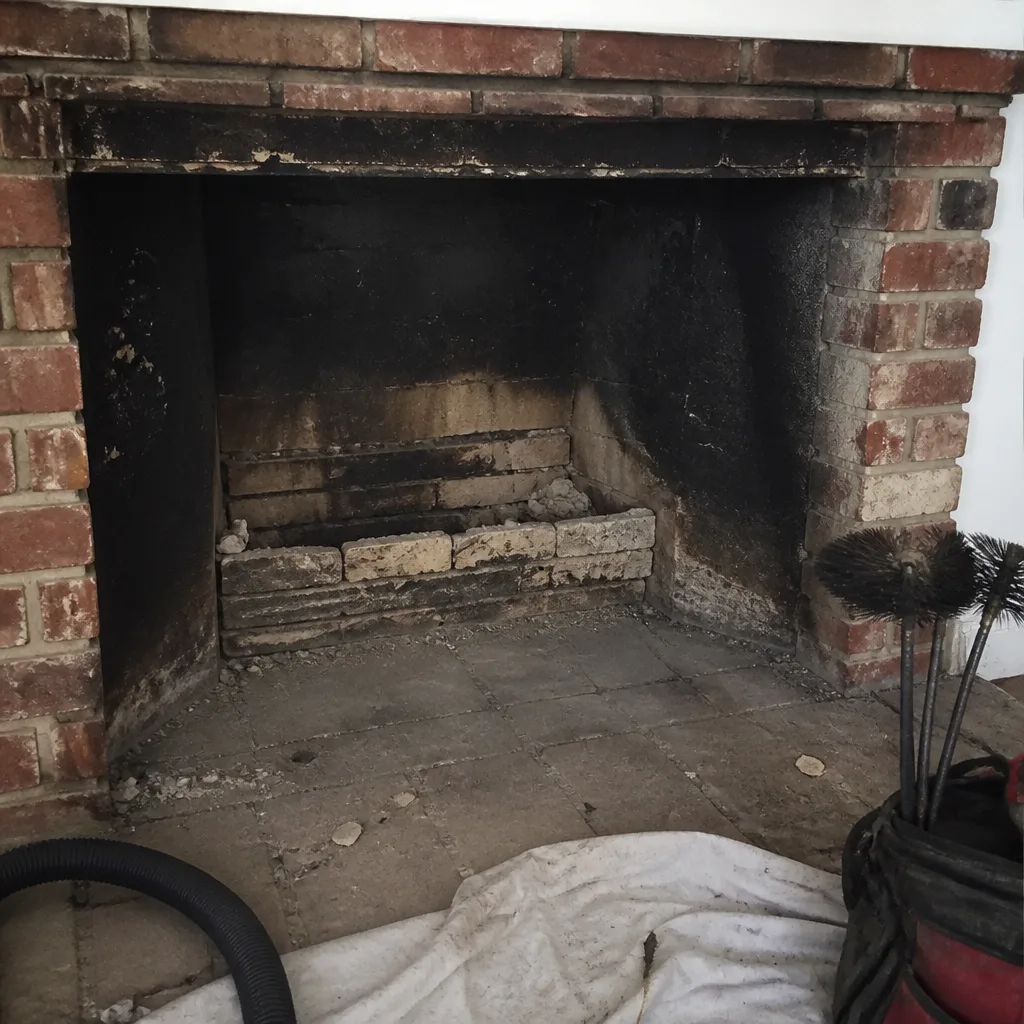 Before
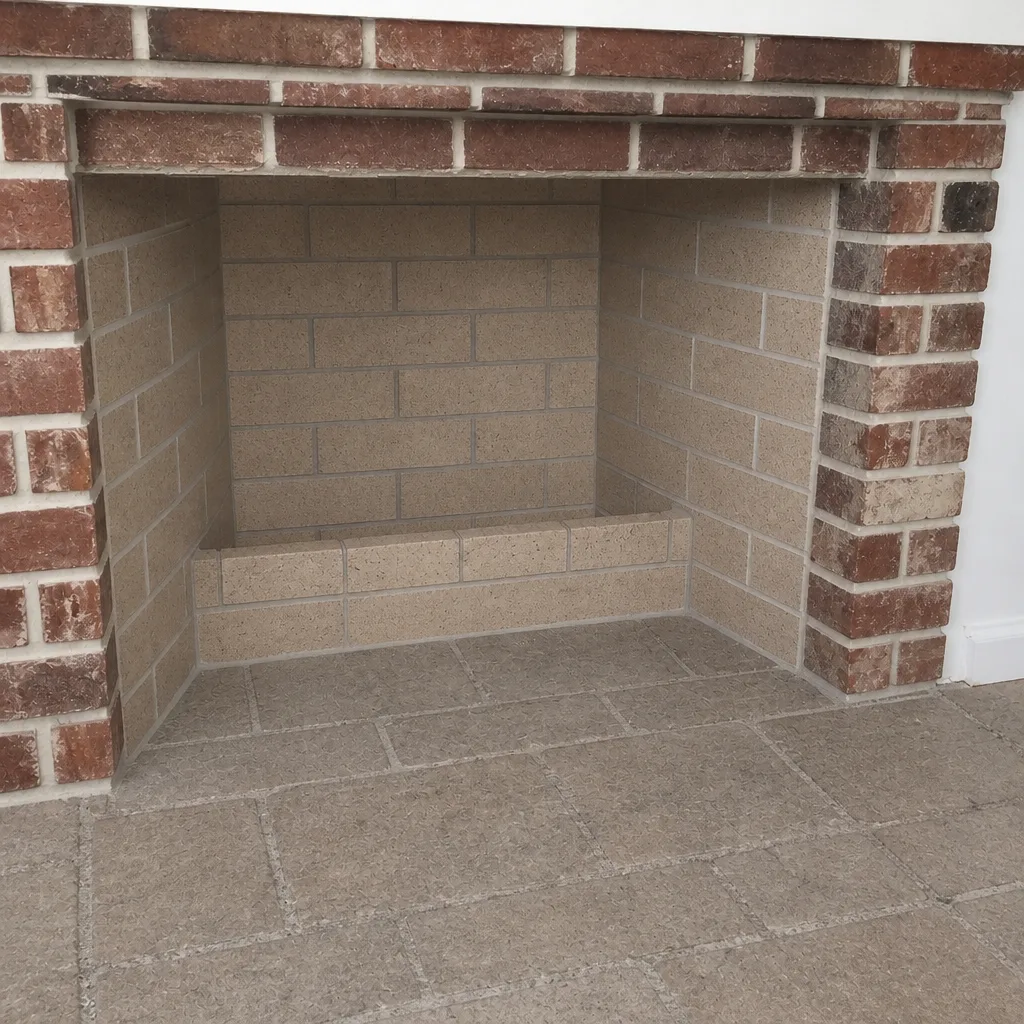 After
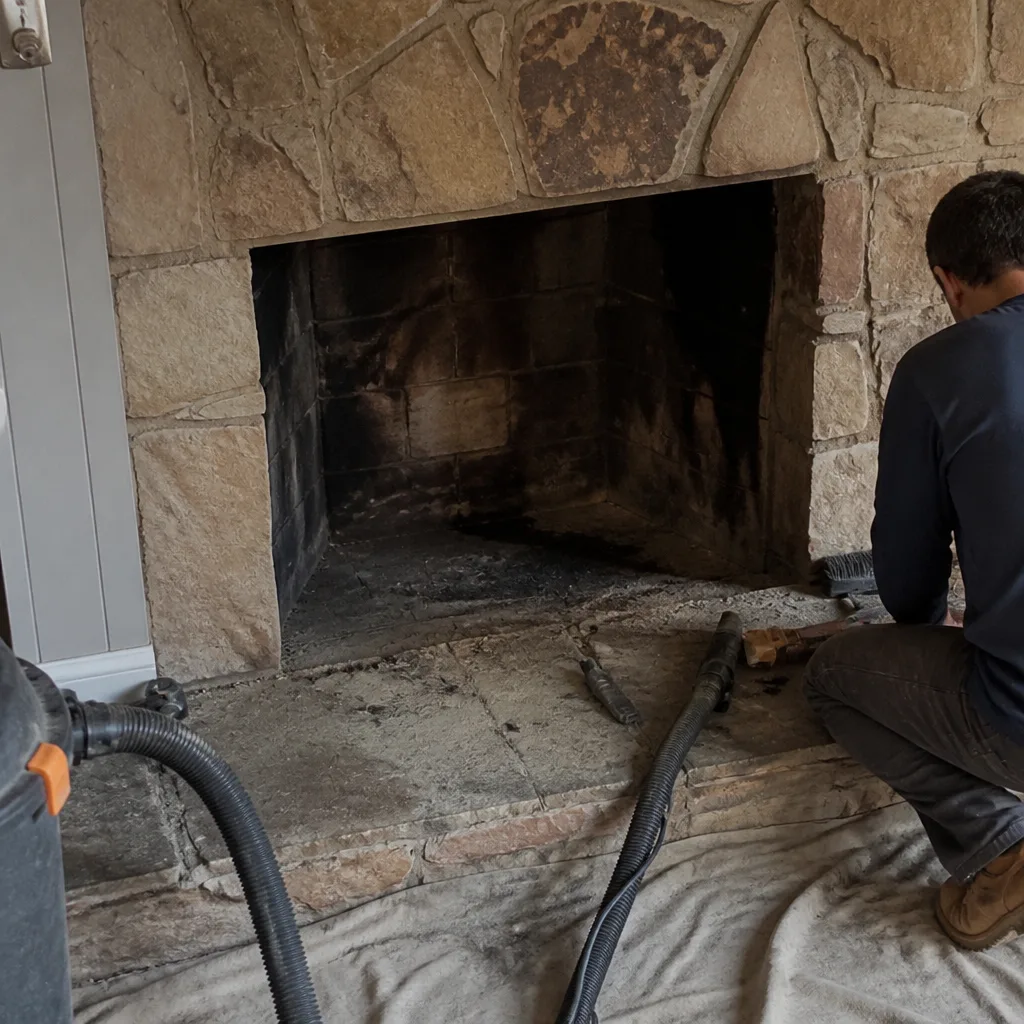 Before
 After
 Before
 After