
Last updated November 4, 2026
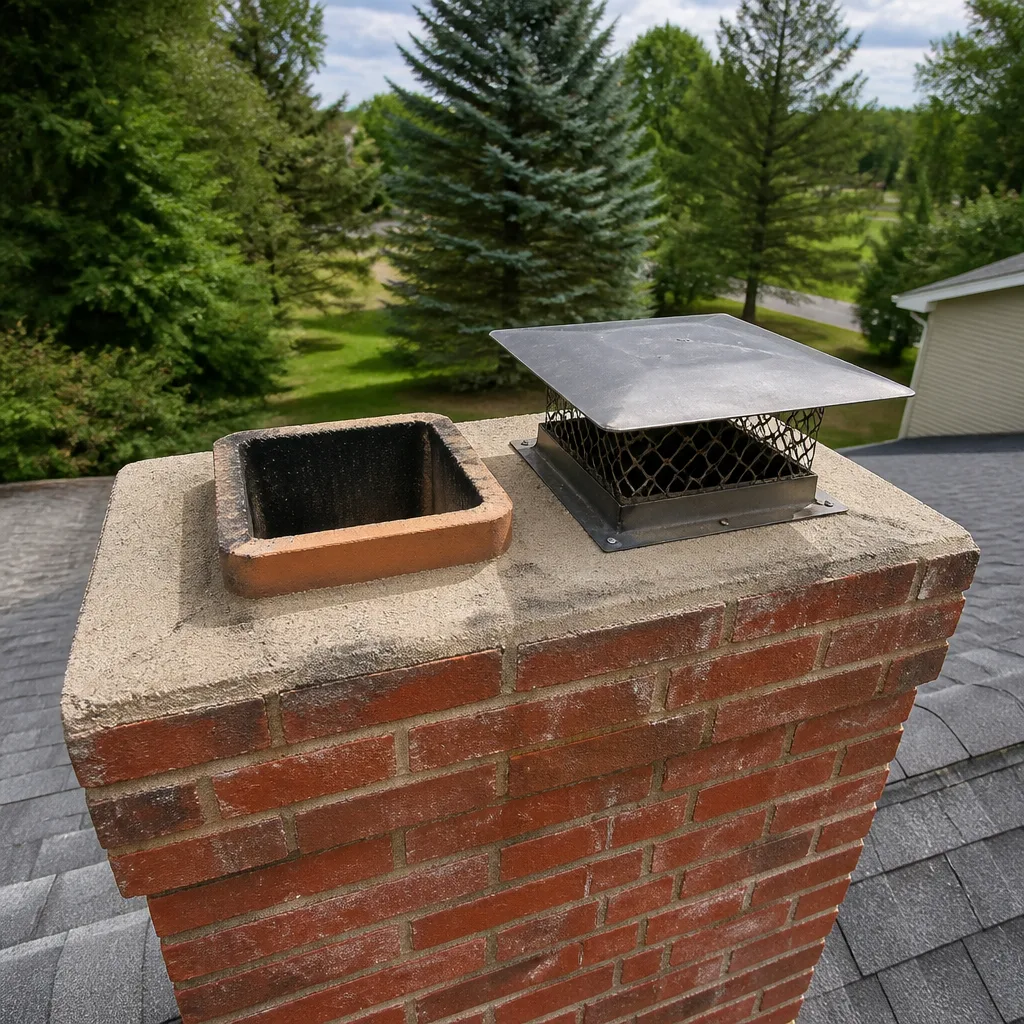 Sweep & inspection
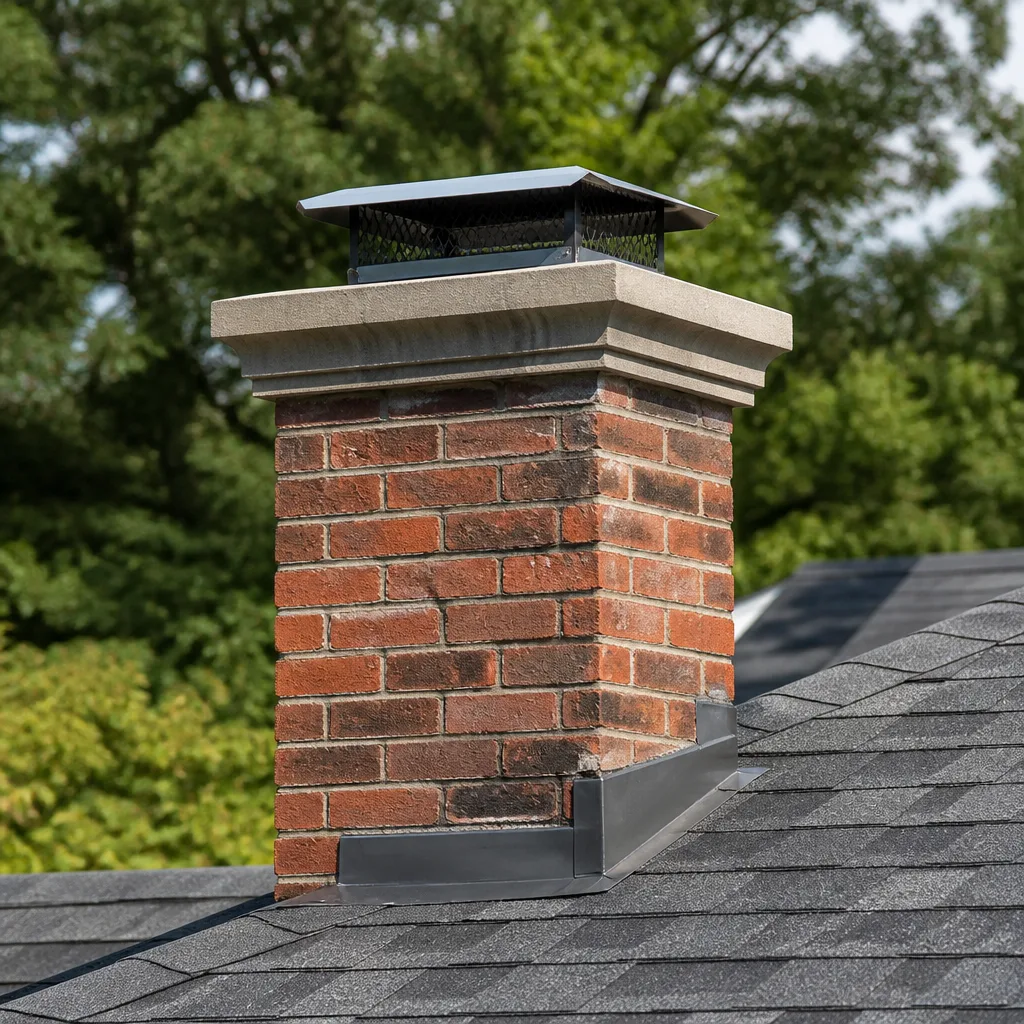 Caps & crowns
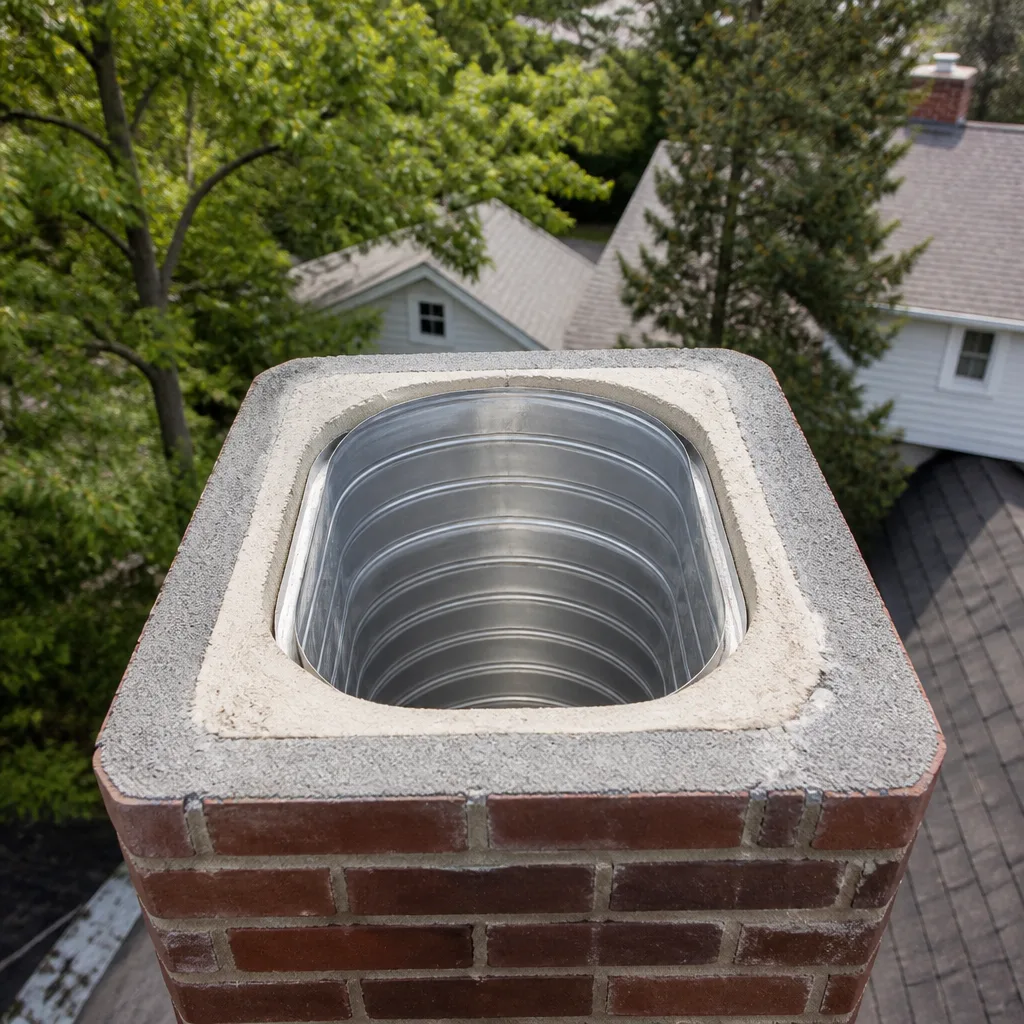 Flue relining
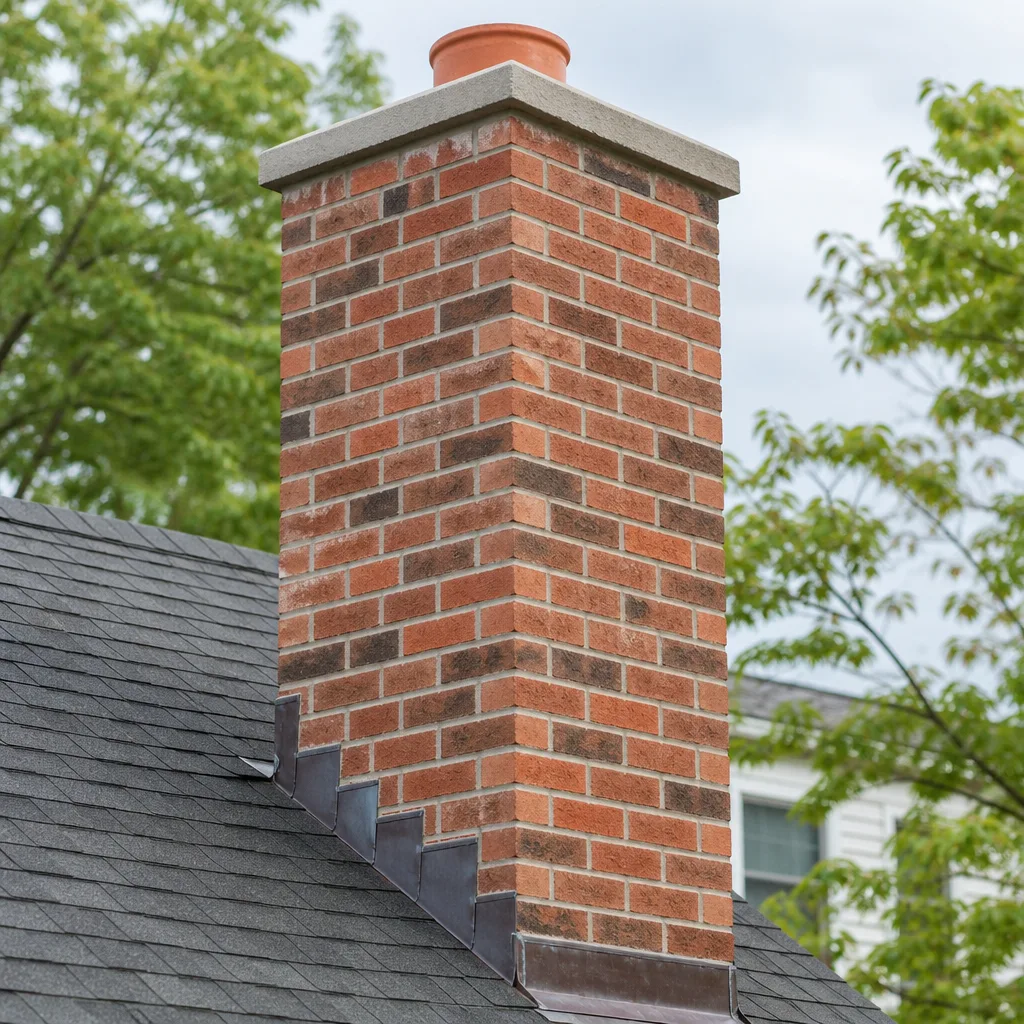 Masonry repair
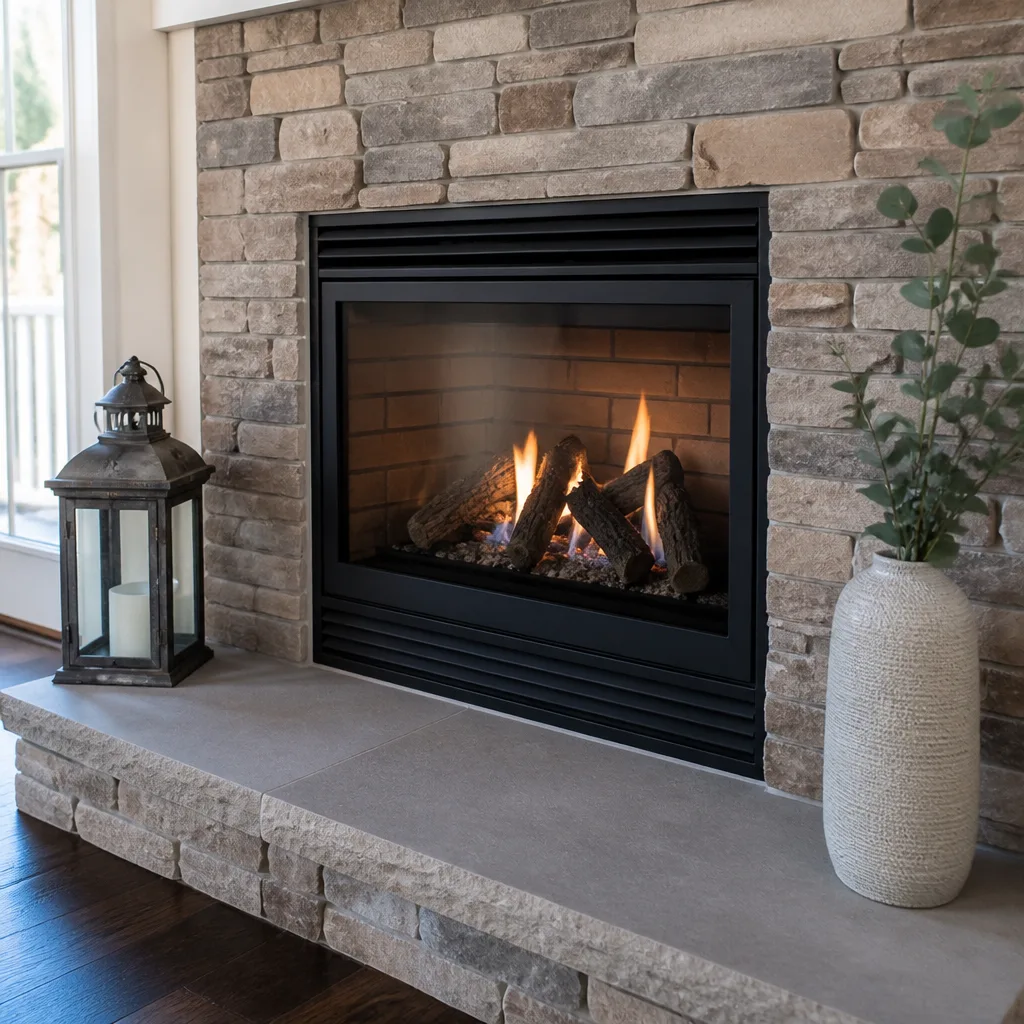 Gas fireplace service
Level 1 sweep and inspection to the NFPA 211 annual standard - flue, crown, cap, and flashing checked and photographed
Chimney sweep logs do not sweep chimneys. They loosen some creosote - which then falls where a brush and vacuum still have to collect it.
Choosing the Right Chimney Cleaning Brand: A Buyer’s Guide for Montebello
The brush a sweep uses to clean your flue should be sized within a quarter-inch of your flue’s inside dimension. An undersized brush in a 13-inch terra cotta tile liner leaves creosote channels at every corner, and no homeowner has ever been shown that measurement before the job starts. This guide exists because the products and tools a chimney contractor uses are the single biggest predictor of whether your cleaning is actually complete and whether the inspection catches what it should. Montebello homeowners deserve to see the spec sheet, not just the invoice. Here’s what actually matters when you’re comparing chimney cleaning brands, chemicals, cameras, and crews.
Quick Answer
The right chimney cleaning brand isn’t a consumer product you buy off a shelf. It’s the contractor-grade equipment and material lines your sweep brings to the job, and in Montebello that means asking about professional brush systems, HEPA-rated soot containment, real camera inspection rigs, and name-brand repair products like HeatShield and DuraFlex. A specification-grade chimney sweep will tell you exactly what they’re using and why, before they ever put a rod up the flue.
Styles & brands we work with
- Sweep & inspection
- Caps & crowns
- Flue relining
- Masonry repair
- Gas fireplace service
Table of Contents
- Brush and Rod Brands: What Touches Your Liner
- Creosote Treatments: Professional Chemistry vs. Retail Logs
- Camera Inspection Systems: What a Real Rig Can See
- HEPA Vacuum Specifications and Indoor Air Quality
- The Five Questions That Reveal a Specification-Grade Sweep
- What Montebello Homeowners Should Know About Local Chimney Conditions
- Repair Product Brands: HeatShield, DuraFlex, and the Restore-Before-Replace Logic
- Why Dryer Vent Cleaning Belongs in the Same Conversation
Brush and Rod Brands: What Touches Your Liner
Most homeowners assume a chimney brush is a chimney brush. That assumption is exactly what separates a thorough cleaning from a cosmetic pass. The professional market runs on brands like Rutland, Gardus, and Lessco, and within those lines there are meaningful differences in bristle tension, bristle material, and rod flexibility. A brush with soft, widely spaced bristles will polish the center of the flue and leave the corners untouched. A brush sized even half an inch too small does the same thing, silently.
In a terra cotta tile flue, the geometry is unforgiving. Those tiles are square or rectangular, and creosote collects hardest in the corners where the tiles meet. A round brush with insufficient diameter simply cannot reach those corners. The professional solution is a brush matched to the flue’s exact measured dimensions, typically within a quarter-inch of the inside liner face. That measurement should happen before cleaning starts, with the homeowner told the number. If a crew can’t tell you your flue’s size, they haven’t measured it.
Rod flexibility matters for a different reason. Montebello has a housing stock that skews older, with many chimneys built before 1990. Those chimneys often have offsets, slight bends, or deteriorated mortar joints that make a rigid rod system scrape and bind. Flexible polymer rods let a brush follow the flue’s actual path without damaging the liner. Cheap fiberglass rods from a hardware-store kit are brittle, snap in offset flues, and leave the job half-done. Contractor-grade rod systems are built for repeated use across dozens of flues a season without losing their flex memory.
The practical takeaway is simple. Ask what brush brand and size the sweep plans to use. Ask whether the rods are rigid or flexible. A professional who measures, matches, and explains is doing the job. A crew that shows up with one brush and hopes for the best is guessing.
Creosote Treatments: Professional Chemistry vs. Retail Logs
The market sells two very different things under the banner of creosote removal. One is a consumer-grade creosote log you burn in the fireplace. The other is a professional-grade chemical treatment applied by a sweep during or after a cleaning. They are not the same product, and conflating them is one of the most common mistakes we see in Montebello homes.
A creosote log is a firebox additive. It burns and releases minerals that, in theory, interact with creosote deposits to make them more brittle and easier to brush away. What the log does not do is clean your chimney. It does not remove creosote. It does not inspect the flue. It does not tell you whether a liner crack is forming. At best, it’s a maintenance aid between professional cleanings. At worst, it gives a homeowner false confidence that the chimney is clean when it isn’t.
Professional products like Poultice Creosote Remover work differently. Poultice Creosote Remover is a spray-applied treatment that chemically alters the creosote’s structure, breaking down the hardened, glazed deposits that a brush alone can’t remove. It’s used in conjunction with mechanical cleaning, not instead of it. The product penetrates the creosote, softens it, and makes it brushable. That matters because third-degree glazed creosote is the hardest to remove and the most fire-hazardous form. A brush alone can’t reliably get it. A chemical treatment paired with proper brushing can.
Other professional-grade products, including lines from Gelco and Olympia Chimney, serve similar functions in the repair and treatment space. These are materials specified for chimney professionals, sold through supply houses, not big-box aisles. When a sweep tells you they use a professional chemical treatment and can name the product, that’s a signal of a specification-grade operation. When they tell you to burn a log and call it done, keep looking.
Camera Inspection Systems: What a Real Rig Can See
Every chimney cleaning should end with an inspection, and every legitimate inspection should end with a camera. But not all cameras are equal. A contractor using a proper pan-and-tilt inspection camera can see liner cracks, hidden blockages, and mortar joint failures that a smartphone taped to a stick cannot. The difference is not just resolution. It’s control, lighting, and the ability to look sideways at the flue walls rather than straight up.
A proper inspection camera for chimney work is built for the environment. It has an integrated light source bright enough to illuminate a soot-darkened flue. It has a pan-and-tilt head that lets the operator examine every face of the liner, including the corners where cracks most often start. It records video so the homeowner can see the evidence with their own eyes. That last part matters more than most people realize. If a sweep tells you that you need a new liner, a resurfacing, or a repair, the camera footage should back the claim. No footage, no recommendation.
In Montebello, where many homes have chimneys that predate 1990, the inspection step is where real value shows up. Older terra cotta liners crack over decades of heating and cooling cycles, and those cracks are invisible from the roofline or the firebox. A pan-and-tilt camera rig can document exactly where the crack is, how deep it runs, and whether it’s a safety issue or a wait-and-monitor condition. A phone camera shows you a dark rectangle.
Ask your sweep what kind of camera they use. If they can’t name it, describe its capabilities, or show you sample footage from a past job, that’s an answer in itself. The camera is the diagnostic backbone of modern chimney work, and a professional operation treats it that way.
HEPA Vacuum Specifications and Indoor Air Quality
Soot containment is an indoor air quality issue, not just a mess issue. A chimney cleaning that leaves fine particulate drifting through the house has failed a basic duty of care, and the difference between a professional job and an amateur one often comes down to the vacuum. Specifically, the CFM rating and the filtration standard.
A professional chimney vacuum needs enough airflow, measured in cubic feet per minute, to capture soot as it’s dislodged from the flue. Brush work without adequate negative pressure sends fine particles into the living space. But CFM alone isn’t enough. The vacuum also needs a HEPA-rated filtration system. HEPA filters capture particles down to 0.3 microns at 99.97% efficiency. That’s the standard for capturing the fine soot particles that a household shop vacuum simply blows back into the room.
A standard hardware-store wet/dry vac with a paper filter is not a chimney vacuum. It lacks the CFM for sustained soot capture, it lacks the filtration rating for IAQ safety, and it often lacks the hose diameter to connect properly to professional cleaning systems. A contractor-grade vacuum setup for chimney work is a significant piece of equipment, and seeing it on the truck is a legitimate quality signal.
Montebello homeowners should treat soot containment as a health and cleanliness requirement, not a nice-to-have. If a sweep arrives without a proper vacuum, or plans to lay a tarp and hope for the best, the job isn’t specification-grade. Ask what CFM their vacuum pulls and what filtration standard it meets. The answer tells you more than any brochure.
The Five Questions That Reveal a Specification-Grade Sweep
Here’s a practical framework for vetting any chimney cleaning provider in Montebello. These five questions cut through the marketing language and get to the equipment and products that actually determine job quality. Write them down. Ask them on the phone before you book.
- What brush brand and size will you use on my flue? The answer should include a brand name (Rutland, Gardus, Lessco) and a measurement specific to your chimney. A vague answer means they haven’t planned the job.
- Do you use flexible or rigid rods? Flexible polymer rods handle offset flues without damaging the liner. Rigid rods are fine for straight flues but risky in older homes. The right answer is “depends on your flue” followed by an explanation.
- What camera system do you use for inspection, and can I see the footage? A professional sweep uses a pan-and-tilt camera with integrated lighting and provides video of the flue’s actual condition. No camera, no footage, no evidence-based recommendation.
- What’s your vacuum’s CFM and filtration rating? A specification-grade setup uses high-CFM equipment with HEPA filtration. If they can’t answer, they’re not containing soot to a professional standard.
- Do you offer HeatShield resurfacing or DuraFlex relining if the inspection finds a problem? This question separates single-service sweeps from full-scope specialists. A provider who can restore a liner rather than just report it changes the entire recommendation logic.
What Montebello Homeowners Should Know About Local Chimney Conditions
Montebello’s climate shapes chimney maintenance in specific ways. Winters are mild by national standards, so the extreme freeze-thaw cycling that damages chimneys in colder regions isn’t a primary concern here. But mild winters create a different problem: intermittent use. Many Montebello homeowners use their fireplaces occasionally through the fall and winter, not daily. That intermittent use pattern produces a particular type of creosote accumulation, often layered with dust and debris from disuse, that brushes off differently than the heavy glazed creosote seen in cold-climate homes.
The older housing stock matters too. Homes built before 1990 in Montebello often have terra cotta clay tile liners that are now decades into their service life. Those liners were the standard of their era, but they don’t last forever. Hairline cracks develop, mortar joints between tiles deteriorate, and the entire liner assembly becomes less reliable over time. A camera inspection is the only way to document this accurately, and it’s the step most likely to catch a problem before it becomes a chimney fire or carbon monoxide issue.
Local code requirements for chimney work generally follow national fire safety standards, but Montebello homeowners should always confirm permitting requirements with the city’s building department for any structural repair or liner replacement. A professional chimney company will know which jobs trigger a permit and which don’t, and will handle the documentation correctly. That’s part of what separates a licensed, insured operation from a fly-by-night crew.
The full-service scope matters in this market. A dryer vent cleaning addresses the same combustion-exhaust risk profile as a chimney sweep, and in older Montebello homes both systems often run through shared or adjacent chases. Lint accumulation in a dryer vent is an ignition hazard with the same underlying physics as creosote in a flue. Treating both under one roof is a diagnostic advantage, not an upsell.
Repair Product Brands: HeatShield, DuraFlex, and the Restore-Before-Replace Logic
The most meaningful brand question in chimney work isn’t about cleaning tools. It’s about what products your contractor can access when the inspection finds damage. HeatShield and DuraFlex represent two different approaches to solving flue liner problems, and both are professional-grade systems that a single-trade sweep typically cannot offer.
HeatShield is a flue resurfacing system. It uses a specially formulated ceramic-based material, applied with proprietary tooling, to restore the interior surface of a damaged liner. The material bonds to the existing terra cotta or clay tile, filling cracks, sealing gaps, and creating a smooth, code-compliant flue surface. The key advantage is that HeatShield often allows a homeowner to restore a liner rather than replace it entirely. That’s a cost difference of thousands of dollars in many cases, and it’s the kind of recommendation that only comes from a company trained and certified in the application.
DuraFlex is a flexible liner system. It’s used when a chimney’s flue is too compromised for resurfacing, or when the chimney has an offset or non-standard geometry that a rigid liner system can’t navigate. DuraFlex is a double-wall, flexible stainless steel product that can be pulled through complex flue paths without demolition. That technical edge matters in older Montebello homes where the chimney runs through the center of the house and tearing open walls to install a rigid liner would be prohibitively expensive.
Other professional-grade lines from Gelco, Olympia Chimney, and Famco populate the same specification-driven supply ecosystem. These are the brands masonry engineers and chimney professionals specify. They are not stocked in hardware-store aisles, and they are not interchangeable with retail substitutes. The restore-before-replace philosophy only works if the contractor has access to these materials and the training to apply them correctly.
When you’re comparing chimney companies in Montebello, ask about repair capability up front. A sweep that can only clean and report is a partial solution. A specialist who can clean, diagnose, restore, or reline is a full-scope answer.
Why Dryer Vent Cleaning Belongs in the Same Conversation
Chimney sweeps and dryer vents seem like separate trades, but they share a root cause: combustion-exhaust residue building up in an enclosed passage until it becomes an ignition hazard. Lint is to a dryer vent what creosote is to a chimney. Both require mechanical removal, both require inspection, and both are fire risks that homeowners forget until something goes wrong.
The diagnostic mindset transfers directly. A chimney sweep who understands how exhaust gases deposit residue, how airflow affects performance, and how to inspect a hidden passage with a camera is already equipped to handle a dryer vent. The tools are similar, the standards are similar, and the safety logic is identical. That’s why a company offering both services under one roof isn’t diluting its expertise; it’s applying the same expertise to a parallel system.
For Montebello homeowners, the practical benefit is simple. One call schedules both services. One team handles the full combustion-exhaust risk profile of the home. One diagnostic standard applies to both. When you’re already having the chimney inspected before heating season, adding a dryer vent inspection is a small incremental cost that closes a real fire-risk gap.
The products matter here too. Professional dryer vent cleaning uses rotary brush systems and high-CFM vacuum equipment specifically sized for dryer ductwork. The same HEPA filtration standard that protects IAQ during a chimney cleaning applies to dryer vent work. Ask whether the company uses the same professional-grade approach for both services. If the answer is yes, you’re talking to a full-scope specialist.
Common Mistakes to Avoid
- Burning a creosote log instead of scheduling a cleaning. A creosote log is not a chimney cleaning. It’s a maintenance aid at best, and using it as a substitute for professional work leaves glaze and deposits in place.
- Hiring a sweep who doesn’t measure the flue. If the brush isn’t sized to your flue’s exact dimensions, the corners don’t get cleaned. Period. The measurement takes ten seconds and costs nothing.
- Accepting a recommendation without camera evidence. No one should tell you to spend thousands on a liner repair without showing you the footage. If the camera doesn’t document the problem, the problem isn’t documented.
- Assuming all vacuums are equal. A shop vac with a paper filter blows fine soot back into your home. HEPA filtration and adequate CFM are not optional specs.
- Treating chimney cleaning as a standalone service. The dryer vent carries the same ignition-hazard logic, and older Montebello homes benefit from having both systems inspected together.
- Choosing a volume-service crew based on price alone. Chimney work is a diagnostic discipline, not a commodity. The cheapest sweep is often the one with the smallest brush, the weakest vacuum, and no camera.
- Replacing a liner before exploring restoration. HeatShield resurfacing restores damaged terra cotta liners at a fraction of replacement cost. A contractor who doesn’t offer restoration can’t recommend it, and that limits your options.
See the difference
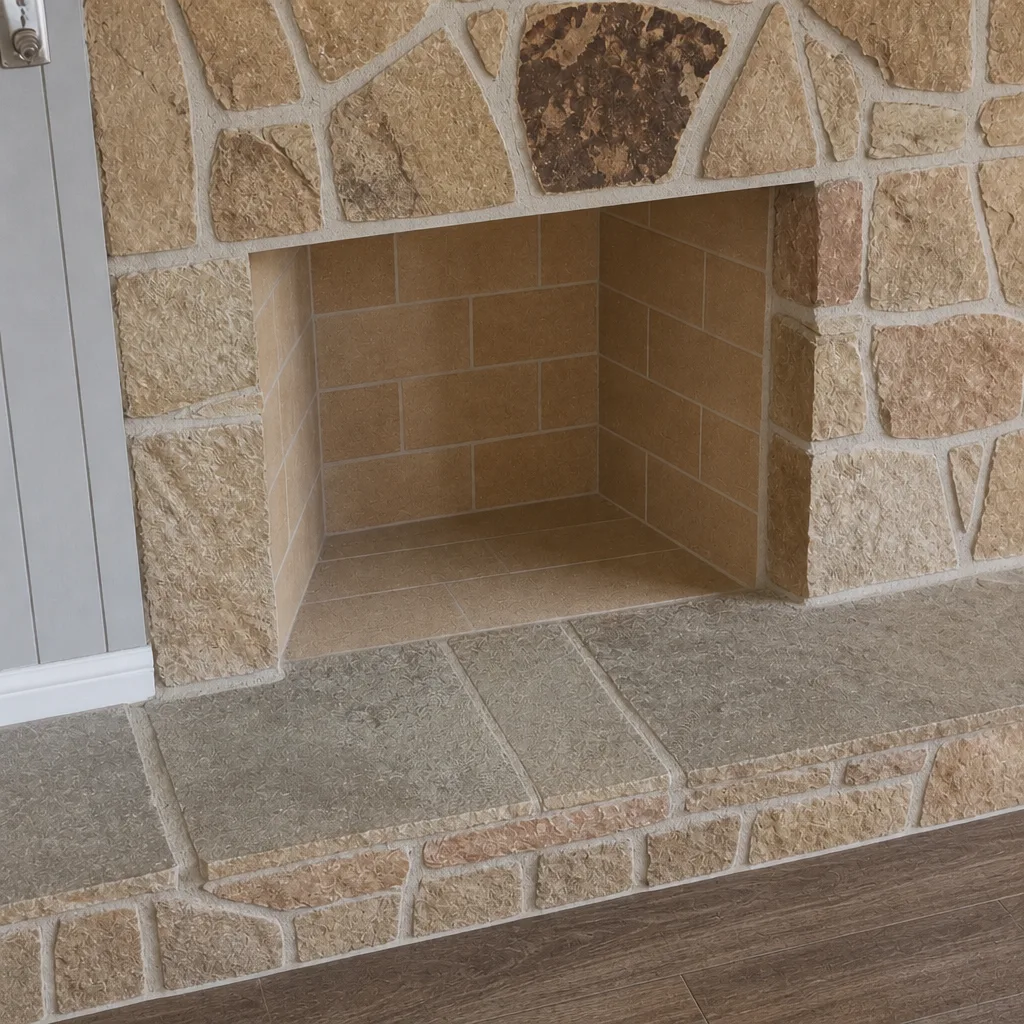
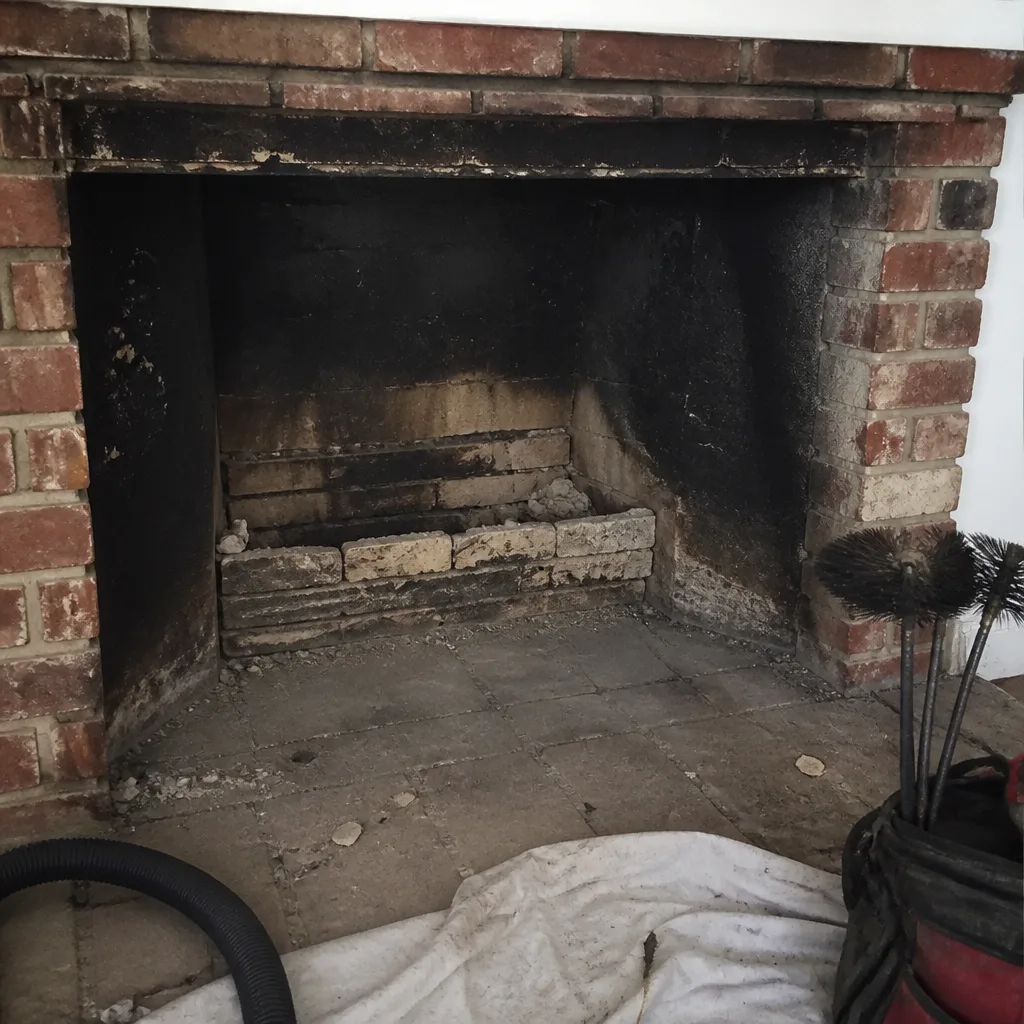 Before
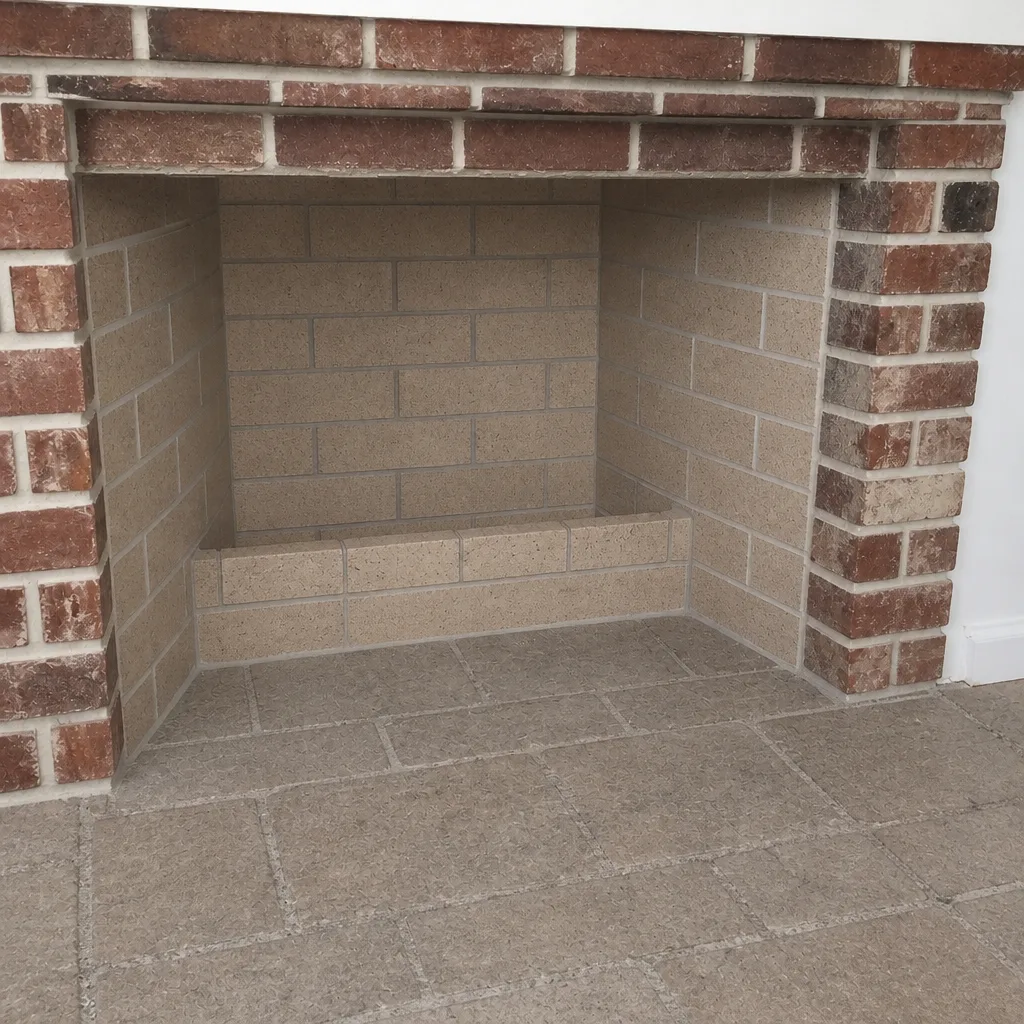 After
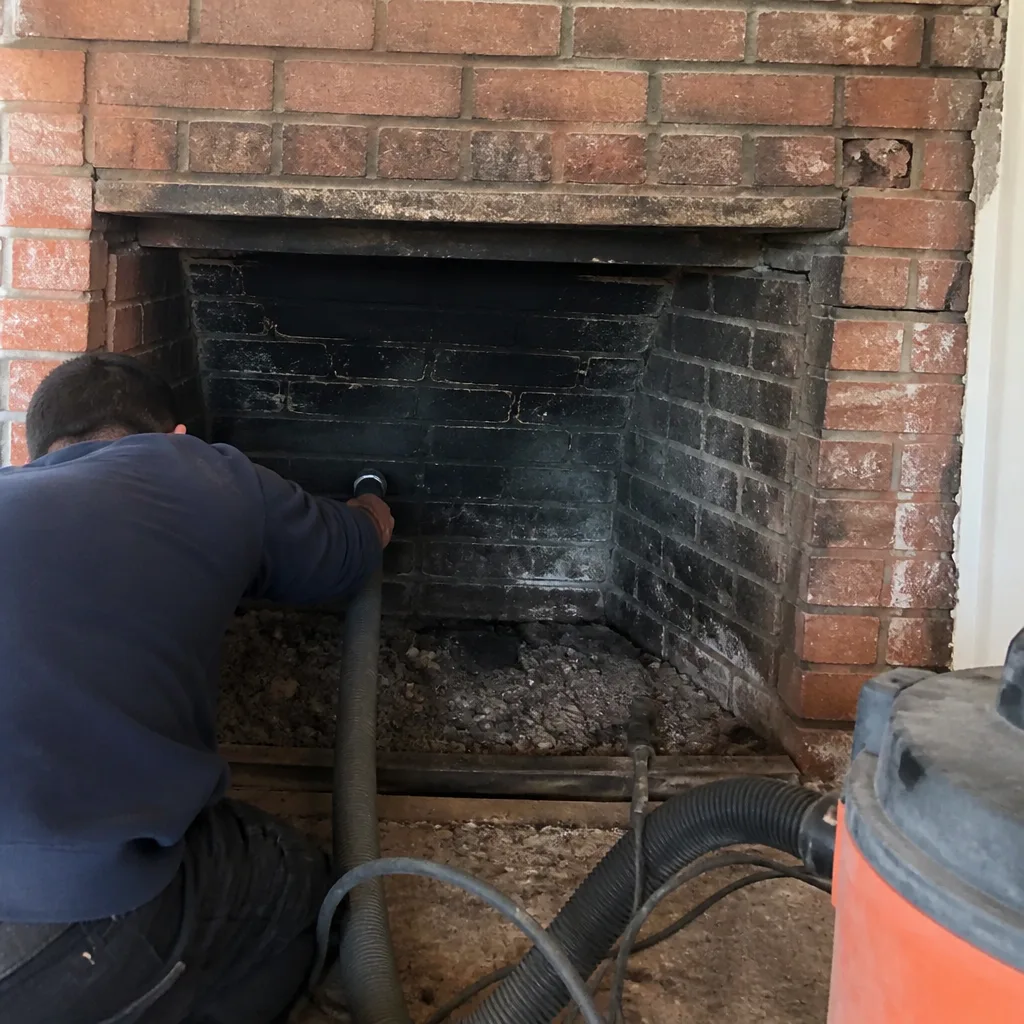
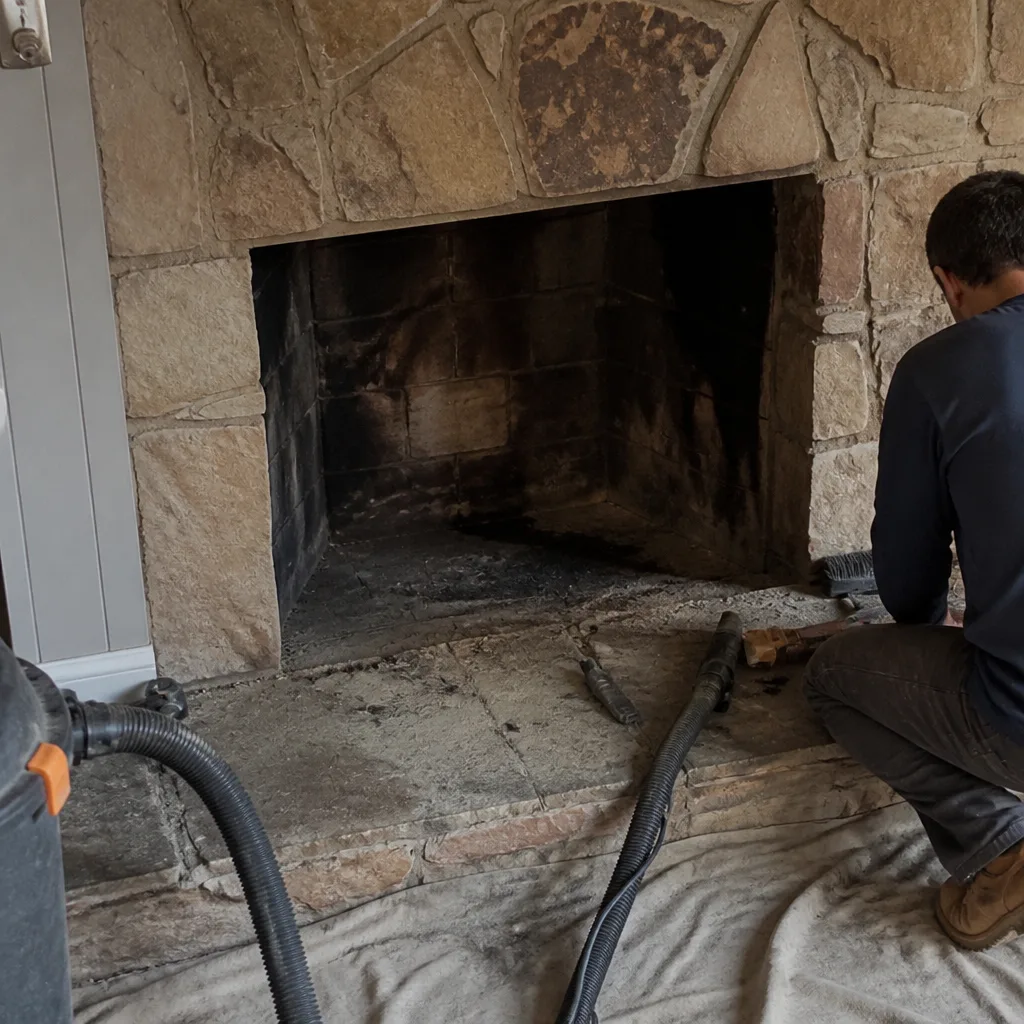 Before
 After
 Before
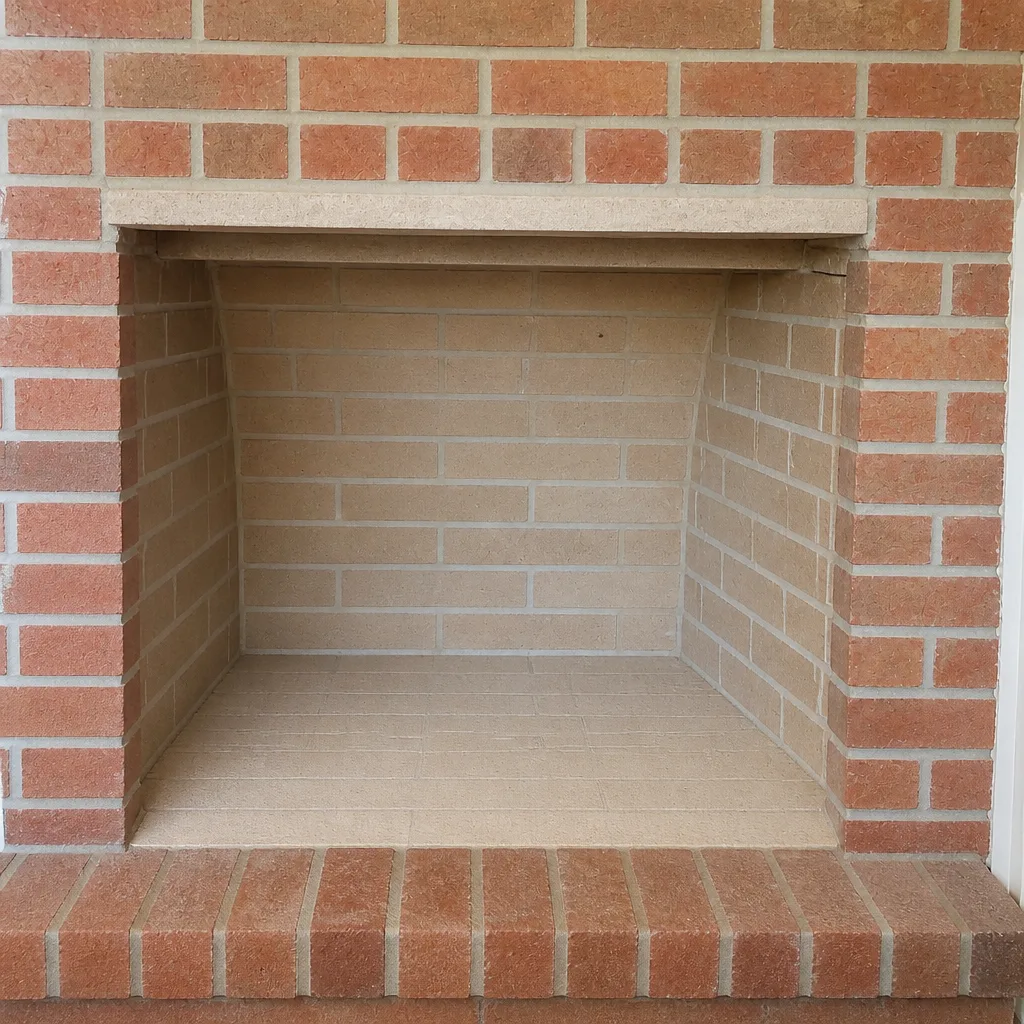 After
When to Call a Professional
Call a professional if you haven’t had your chimney inspected in the past year, if you notice a strong odor coming from the fireplace, if you see visible soot or staining around the firebox, or if a home inspection flagged the chimney during a purchase. Call if your dryer is taking longer than usual to finish a cycle, or if the laundry room feels hotter than it should while the dryer runs. Call if you’ve never seen the inside of your flue on camera and you don’t know what condition your liner is in. Chimney Sweep Montebello offers free estimates in Montebello. Call (833) 362-8107. We answer 24/7. Fast dispatch from 7am to 7pm, Sunday through Friday.
Frequently Asked Questions
The best product for a homeowner to buy is actually a professional chimney cleaning service. Consumer-grade products like creosote logs and DIY brush kits address surface maintenance only. The products that determine real job quality, like contractor-grade brushes from Rutland or Gardus, professional chemical treatments, and HEPA filtration vacuums, are professional tools, not retail purchases. In Montebello, a specification-grade sweep brings the right products and handles the job end to end.
Ask the five questions: what brush brand and size, flexible or rigid rods, what camera system and can you see the footage, what CFM and filtration rating on the vacuum, and do they offer HeatShield or DuraFlex repair options. A professional answers with specifics. A volume-service crew answers with generalities. Call (833) 362-8107 for a free estimate from a team that can answer all five.
Creosote logs change the chemical structure of some creosote deposits, making them more brittle and easier to brush away during a professional cleaning. They do not clean the chimney themselves, and they do not replace a chimney sweep. Using a log in place of professional cleaning leaves the most hazardous glazed creosote in place.
HeatShield is a ceramic-based flue resurfacing system that restores damaged terra cotta liners by filling cracks and sealing gaps from the inside. It’s typically less expensive and less invasive than a full liner replacement, and it’s code-compliant when applied by a certified technician. DuraFlex flexible liners are the alternative when a liner is too damaged for resurfacing or the flue geometry requires flexibility.
Dryer vents carry the same combustion-exhaust ignition risk as chimneys. Lint is to a dryer vent what creosote is to a flue. A company that handles both under one roof applies consistent diagnostic standards, HEPA containment, and camera-based inspection to both systems. For older Montebello homes, the combined scope closes a fire-risk gap that single-service sweeps can’t address.
Even with mild winters, Montebello chimneys should be inspected annually and cleaned when creosote accumulation reaches a threshold where it becomes a fire hazard. Intermittent use patterns create different types of deposits than heavy-use chimneys, and annual camera inspection is the only reliable way to monitor liner condition over time. Call (833) 362-8107. We answer 24/7. Fast dispatch from 7am to 7pm, Sunday through Friday.
The Bottom Line
The chimney cleaning brand that matters isn’t the one on a retail shelf. It’s the equipment and material lines your contractor brings to the job, and in Montebello the difference between a specification-grade operation and a volume-service crew shows up in every measurement, every brush pass, and every camera frame. Ask about brush sizing, rod flexibility, HEPA filtration, and repair capability. Insist on camera evidence. Treat dryer vent cleaning as part of the same combustion-exhaust risk picture. The products are verifiable, the standards are real, and the questions are yours to ask. A professional chimney company in Montebello will welcome them.
Written by the team at Chimney Sweep Montebello, serving Montebello since 2015.