
Last updated November 4, 2026
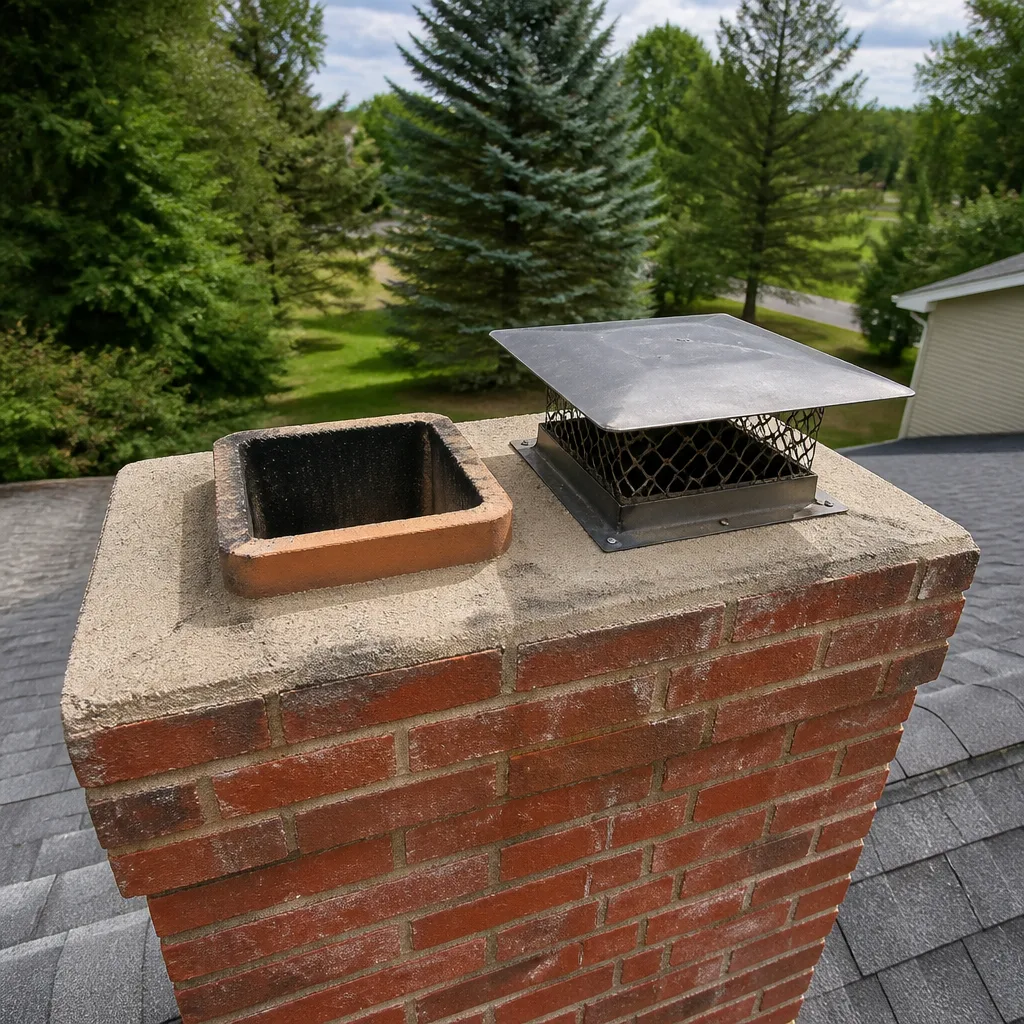 Sweep & inspection
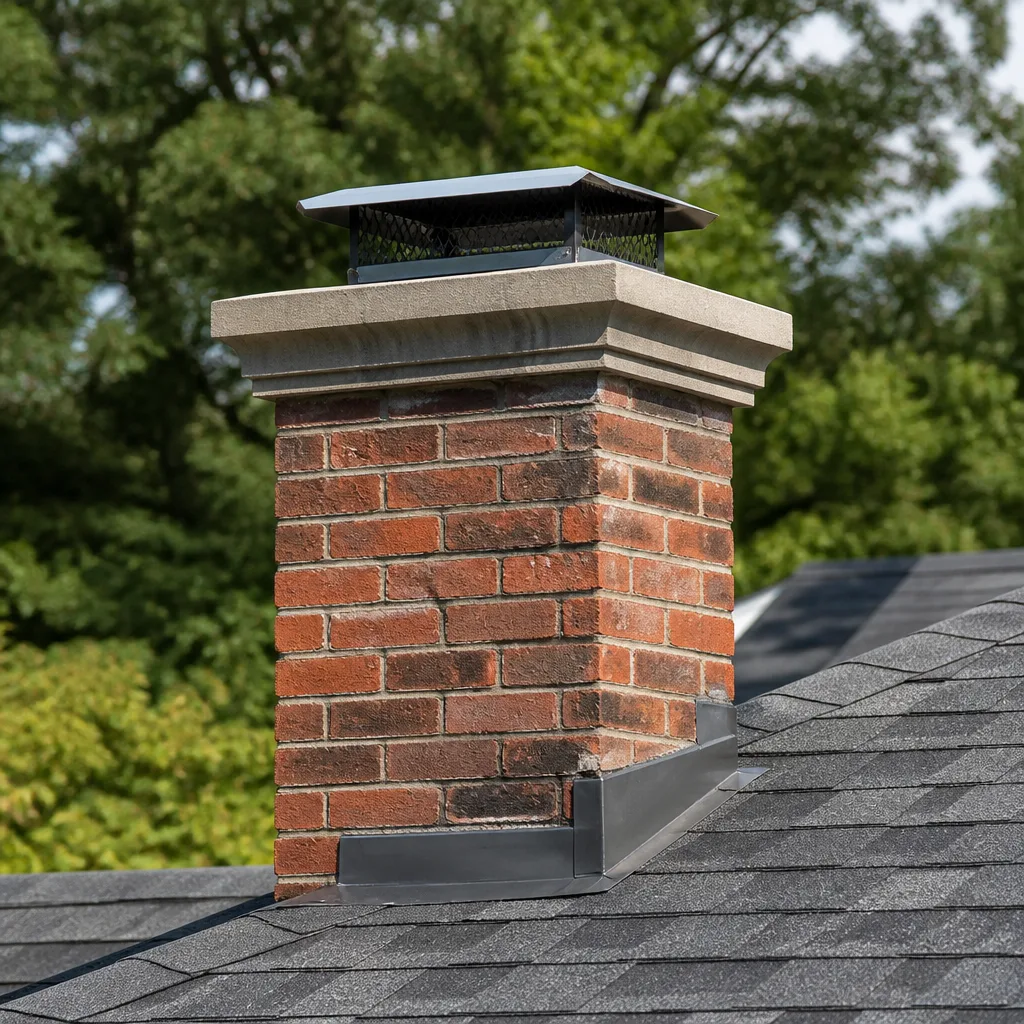 Caps & crowns
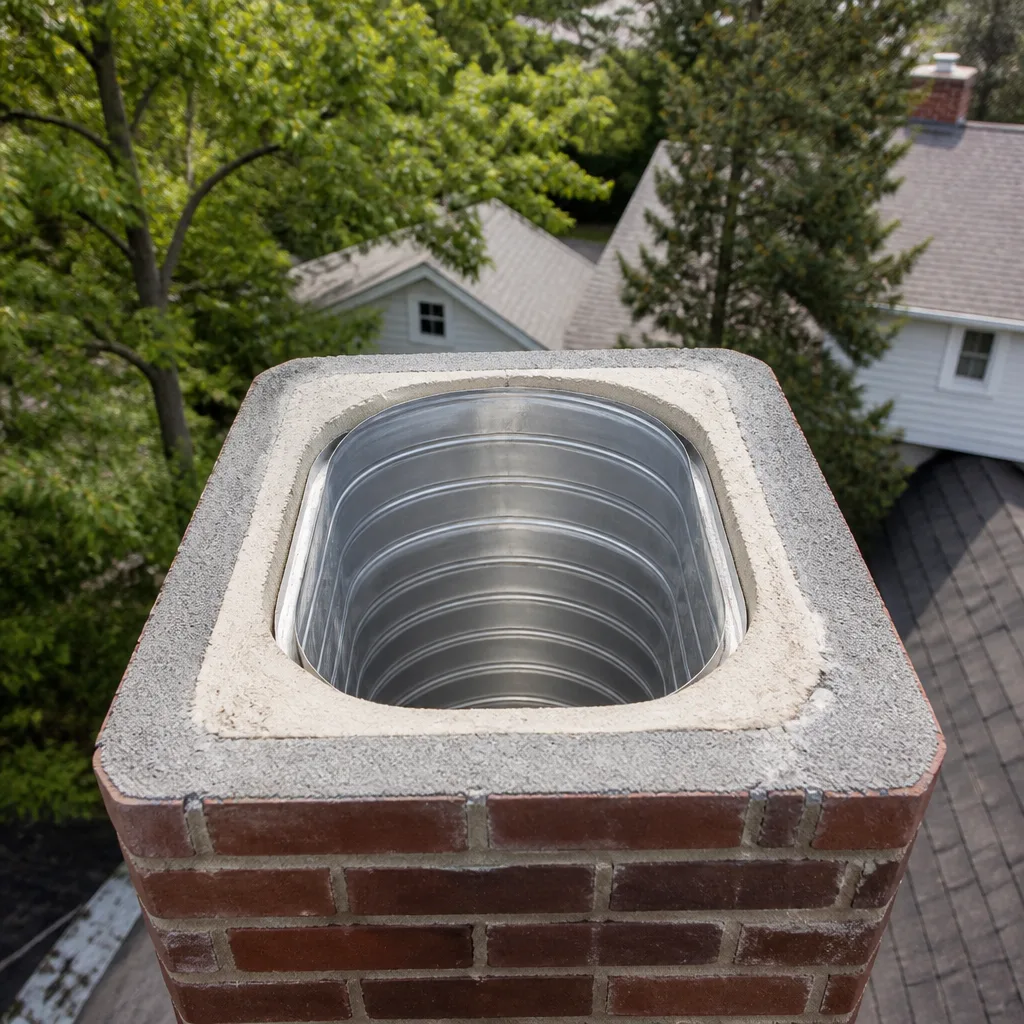 Flue relining
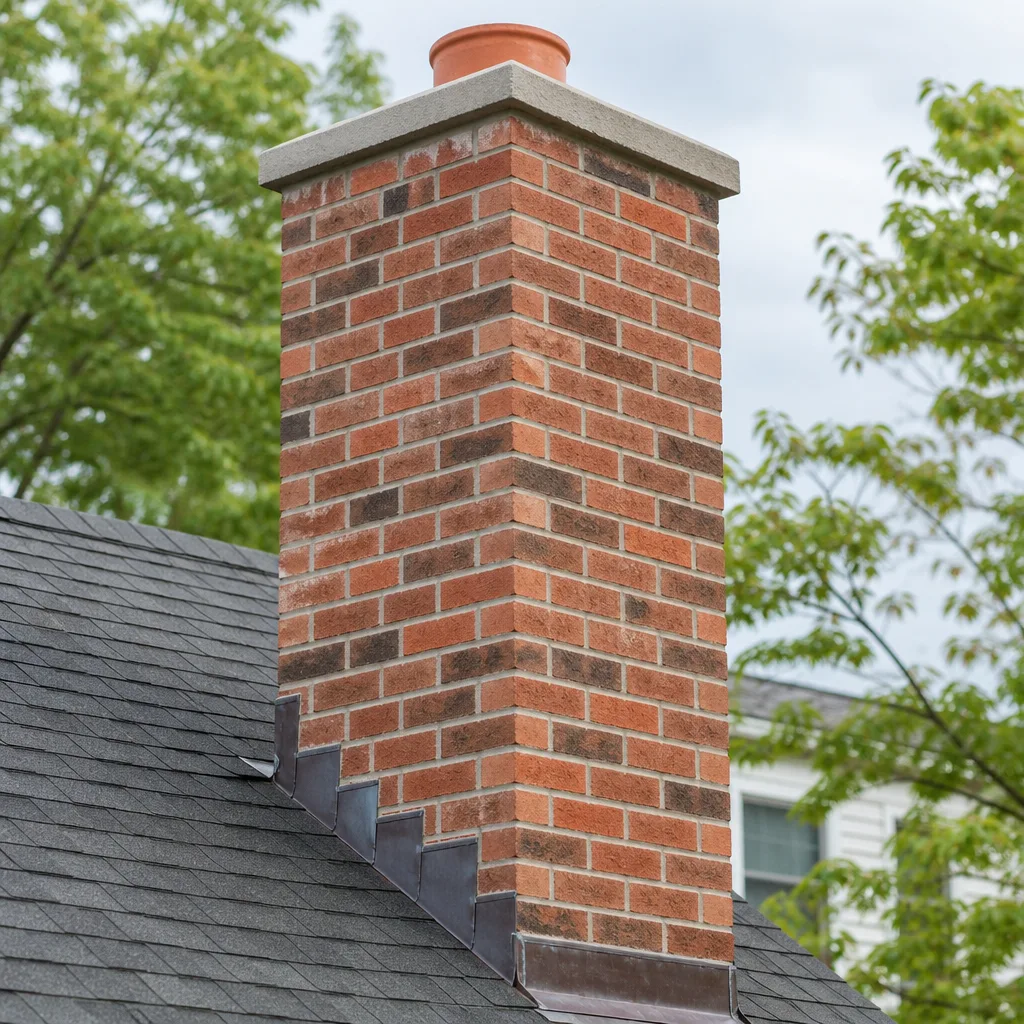 Masonry repair
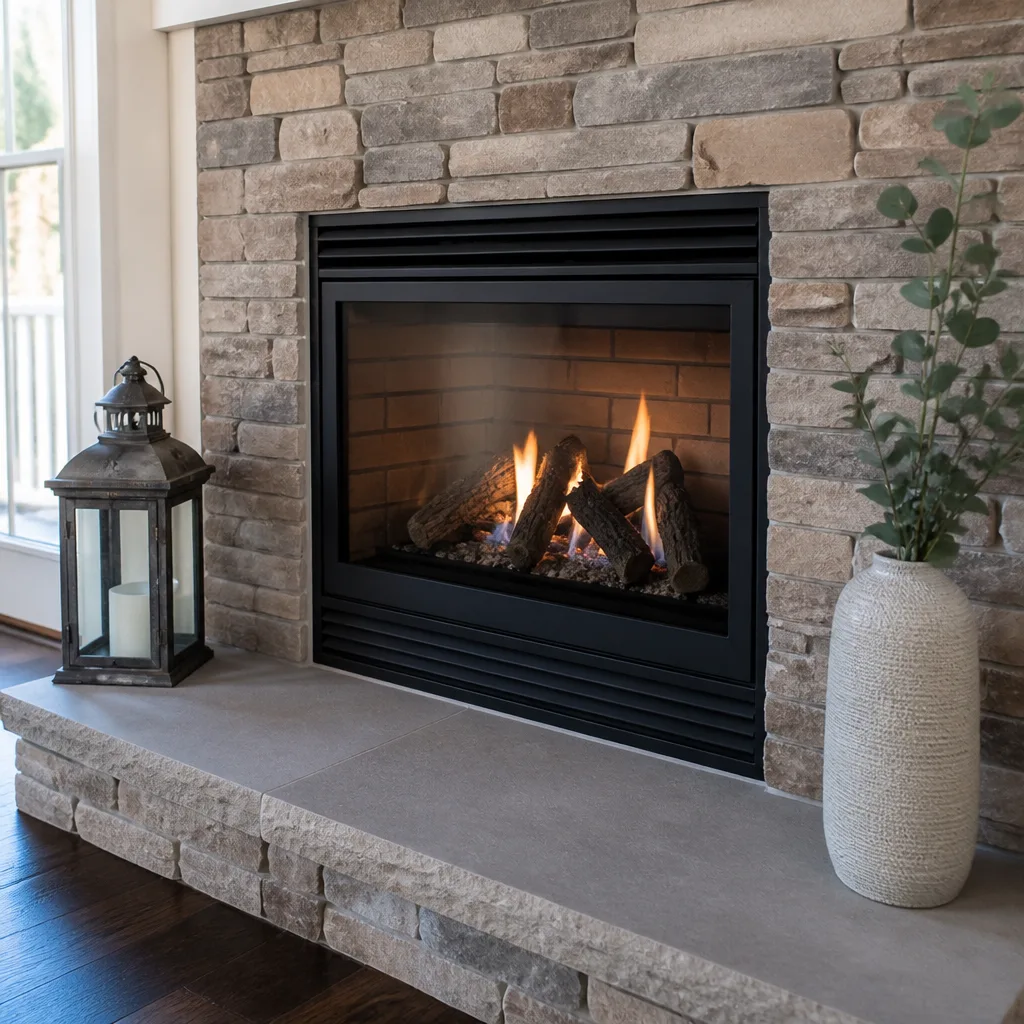 Gas fireplace service
Level 1 sweep and inspection to the NFPA 211 annual standard - flue, crown, cap, and flashing checked and photographed
Chimney sweep logs do not sweep chimneys. They loosen some creosote - which then falls where a brush and vacuum still have to collect it.
Chimney Sweep Troubleshooting in Montebello: Common Problems and How to Fix Them
If smoke is pouring into your living room instead of drafting up the flue, the culprit is almost never the fireplace itself. It’s usually a pressure imbalance: a bathroom exhaust fan, a kitchen range hood, or even a clothes dryer pulling air out of the house faster than the chimney can supply it. In Montebello, where homes built before 1990 dominate the housing stock, we see this specific failure pattern constantly. This guide walks you through the symptoms, the mechanical causes behind them, and where the line sits between a homeowner fix and a job for a trained sweep with a camera scope.
Quick Answer
Most chimney problems in Montebello fall into four mechanical categories: drafting failures from negative air pressure, creosote accumulation restricting airflow, water intrusion causing efflorescence and spalling, and structural shifts from seismic activity. Each symptom you notice, whether it’s smoke rollback, a summer odor, or white staining on brick, maps to a specific cause you can identify with a visual check. A chimney sweep with camera inspection tools can confirm the diagnosis and recommend the least invasive fix.
Styles & brands we work with
- Sweep & inspection
- Caps & crowns
- Flue relining
- Masonry repair
- Gas fireplace service
Table of Contents
- Why Smoke Rolls Back Into the Room
- How Santa Ana Winds Disrupt Your Draft
- That Summer Chimney Odor and What Causes It
- White Staining on Brick: Efflorescence Explained
- Spalling Brick and Masonry Deterioration
- Seismic Shifts and Level 2 Inspections
- Code Violations That Void Insurance
- Dryer Vent Fire Risk: The Overlooked Chimney Problem
Why Smoke Rolls Back Into the Room
Smoke rollback is the symptom homeowners describe most often, and it’s almost always a pressure problem, not a chimney blockage. Modern houses in Montebello are tighter than older construction, with double-pane windows, weatherstripping, and sealed attics. When you run a kitchen exhaust fan, a bathroom vent, or a gas furnace simultaneously with a fire, those appliances compete with the fireplace for the same air supply. The fireplace loses, because it relies on natural draft while mechanical fans actively pull air out. The result is smoke spilling into the room.
Before calling anyone, run this simple diagnostic sequence:
- Open a window near the fireplace by two to three inches. If the smoke rollback stops, the problem is negative air pressure. The open window supplies make-up air so the chimney can draft properly.
- Turn off all competing exhaust systems. Bathroom fans, range hoods, and the clothes dryer all depressurize the house. A central vacuum system does too. If the draft improves, you have identified the trigger.
- Check the damper with a mirror. With the damper fully open, hold a small mirror angled up inside the firebox. You should see daylight at the top. If you see darkness or an obstruction, the flue has a blockage or the damper has failed to seat properly.
- Prime the flue. On cool evenings, roll a sheet of newspaper, light one end, and hold it up near the damper for thirty seconds to warm the air column. Cold air in the flue is heavier than the warm air in the room and can sit there like a plug. Priming kick-starts the draft.
If these steps don’t resolve the rollback, the issue is usually mechanical: a partially collapsed flue liner, excessive creosote narrowing the passage, or a damper that has corroded shut. We run a camera up the flue on every diagnostic visit, because the difference between a pressure problem and a liner failure is not something you can see from the firebox floor.
How Santa Ana Winds Disrupt Your Draft
Montebello sits in a wind corridor during Santa Ana events, when hot, dry air descends from the high desert and funnels through the San Gabriel Valley. These winds don’t just rattle screen doors. They create what chimneys technicians call wind-induced downdraft: a gust hits the chimney cap at the wrong angle, bounces down the flue, and pushes smoke back into the house. Homeowners in cold climates know this as a winter problem, but in Montebello it happens year-round, and it catches people off guard because the weather outside may be warm and clear.
Santa Ana winds also have a drying effect that changes how creosote behaves. In humid climates, creosote stays sticky and tar-like. In the dry air of a Santa Ana event, the top layer of creosote can flake and lift, creating debris that narrows the flue passage temporarily. This compounds the drafting problem. The wind pushes down, the narrowed flue can’t pull up, and the smoke has nowhere to go but in.
The mechanical fix for wind-induced downdraft is a properly sized chimney cap designed to deflect lateral gusts while allowing vertical draft. A standard cap keeps out rain and animals. A wind-resistant cap actually modifies airflow patterns at the flue termination. Not every Montebello home needs one, but if you notice rollback only on windy days, the cap is the likely culprit. We specify caps based on the flue’s internal diameter and the home’s exposure, not based on what fits on a shelf.
That Summer Chimney Odor and What Causes It
A fireplace that smells musty or smoky in July and August is a common complaint in Montebello homes, especially after a stretch of humid coastal air pushes inland. The odor happens because creosote absorbs moisture from the air, expands, and releases volatile compounds. The chimney becomes an olfactory echo chamber. The smell carries down into the living room whenever the air pressure inside the house drops relative to outside, typically when air conditioning cycles on.
The root cause is creosote left in place after the previous burning season. Even a thin layer, a sixteenth of an inch, can produce odor under the right conditions. The fix is mechanical cleaning, not deodorizers or scented logs. A sweep removes the creosote layer so there is nothing left to absorb moisture and off-gas. In our experience, homes in Montebello that burn soft woods like pine, which produce more creosote per cord than hardwoods, need this treatment every year even with light use.
There are two secondary causes worth checking. A missing or damaged rain cap lets water directly into the flue, saturating creosote and accelerating the odor cycle. And a chimney without a proper top-sealing damper can act as a pressure relief valve for the house, pulling air down from the flue on hot days. Both are visible on a roof-level inspection or a camera run up from below. The fix is mechanical, and it lasts.
White Staining on Brick: Efflorescence Explained
White, chalky staining on the exterior brick of a Montebello chimney is efflorescence, and it’s a water movement problem, not a cosmetic one. Water enters the masonry through hairline cracks or porous mortar joints, dissolves naturally occurring salts inside the brick, and carries them to the surface. When the water evaporates, the salts remain behind as a white deposit. The stain keeps reappearing until the water entry point is sealed.
Montebello’s wet season is short but intense. A single heavy rain can saturate a chimney that hasn’t been inspected in years, and the efflorescence appears weeks later as the masonry slowly dries. Homeowners often mistake it for paint overspray or general grime and scrub it off. Scrubbing removes the surface salt but does nothing to the water path inside the brick.
Diagnosing efflorescence means finding where water is getting in. Common entry points on Montebello chimneys include the chimney crown, where the mortar cap meets the flue tile; the flashing where the chimney meets the roofline; and the mortar joints themselves, which degrade faster on the sun-exposed south and west faces. We inspect these areas during a standard sweep, because efflorescence left unaddressed leads directly to the next problem on the list: spalling.
Spalling Brick and Masonry Deterioration
Spalling is what happens when water trapped inside brick expands and contracts with temperature swings, eventually causing the brick face to flake off in layers. You’ll see it as crumbled brick fragments on the roof, pitted surfaces on the chimney body, or sections of brick that look like they’ve been sandblasted. Montebello’s summer heat accelerates the evaporation cycle, which means spalling progresses faster here than in cooler, damper climates where water stays put longer.
This is a structural problem, not a surface blemish. Once the protective outer face of a brick is gone, the softer interior becomes a sponge. Water enters more easily, the damage compounds, and the chimney’s load-bearing capacity diminishes. If the chimney serves a wood-burning fireplace, a spalling section near the flue can eventually compromise the liner’s support, creating a fire-safety hazard rather than just a masonry headache.
The repair path depends on how far the spalling has advanced. Minor spalling on a few bricks calls for repointing the affected joints and replacing the damaged units. Extensive spalling, where large sections of the chimney body have lost structural integrity, may require a partial rebuild. We use contractor-grade masonry materials, not hardware-store mortar mixes, because the chemical composition of the mortar must match the existing joints. A mismatch causes the new mortar to fail faster than the brick around it.
Seismic Shifts and Level 2 Inspections
Montebello sits in Los Angeles County, where even minor tremors can shift a chimney enough to create problems that don’t show up for months. The Whittier Narrows fault system runs close enough that most residents have felt a jolt at least once. After any seismic event you can feel inside the house, the National Fire Protection Association recommendations point toward a Level 2 chimney inspection, which includes a camera evaluation of the flue interior, not just a visual check from the firebox and the roof.
Here’s why this matters. A small shift can crack the clay flue liner without leaving any visible evidence on the exterior brick. The crack may be a hairline, but when the chimney heats up during a fire, the liner expands, the crack opens, and combustion gases can reach combustible materials in the surrounding framing. A camera scope finds these cracks before a fire does. We run this inspection after seismic events on a referral basis, because the structural integrity of the flue is not something a visual check can confirm.
What should you look for after an earthquake? Check the chimney from the ground with binoculars for any new cracks, shifted flashing, or separated mortar joints. Check the firebox walls for new vertical cracks. And check the attic, if accessible, for daylight visible around the chimney chase. Any of these findings warrants a Level 2 inspection before the next fire. The cost of the camera scope is a fraction of the cost of a chimney fire.
Code Violations That Void Insurance Coverage
Los Angeles County enforces specific requirements for residential chimneys serving solid-fuel appliances, and several common conditions in Montebello homes are violations that can void a homeowner’s insurance claim if a fire occurs. You should know what they are, because a home inspection report from a real estate transaction often flags these issues, and the language on the report does not always make the stakes clear.
The most common code violations we see in Montebello are:
- Missing or damaged chimney cap. The cap is a required component, not an accessory. It prevents water entry and keeps debris from blocking the flue. A missing cap on a wood-burning chimney is a compliance issue.
- Unlined or improperly lined flues. Pre-WWII homes sometimes have chimneys built without clay tile liners. If you have an unlined flue and a wood-burning fireplace, that is a code violation in Los Angeles County.
- Combustible clearances not maintained. Framing members must maintain a specific distance from the exterior of the chimney. Older construction sometimes has wood in direct contact with masonry, which is a fire hazard and a violation.
- Damaged flue liners with visible cracks or spalling. A cracked liner is not just a maintenance issue. It’s a code-relevant defect because it allows heat transfer to combustibles.
- Dryer vents terminating in the attic or garage. This is a dryer vent issue, but it’s a Los Angeles County code violation and an insurance-voiding condition. We find it surprisingly often in older Montebello homes.
The insurance angle is straightforward. If a fire originates in a chimney with a known unaddressed violation, the insurer may deny the claim. Homeowners who receive an inspection report flagging any of these conditions should act on it, document the repair, and keep the receipt. It’s not enough to say you’ll get to it later. The repair history is what protects you.
Dryer Vent Fire Risk: The Overlooked Chimney Problem
We treat dryer vents as part of the same combustion-exhaust system as a chimney, because the failure mechanism is identical: lint accumulates, restricts airflow, and creates an ignition source. A dryer vent cleaning belongs on the same maintenance calendar as a chimney sweep, and for the same reason. The risk compounds in homes where the dryer vent run is long, offset, or runs through an unconditioned space, which describes many Montebello houses built before 1990.
The warning signs are readable. Clothes take two cycles to dry. The exterior vent flap doesn’t open when the dryer runs. The laundry room feels warmer than the rest of the house. The dryer itself feels hot to the touch on the top panel. Each of these maps to restricted airflow caused by lint build-up, and each is fixed by mechanical cleaning of the full vent run, not just the section behind the dryer.
There’s a specific connection to chimney safety that homeowners miss. A clogged dryer vent forces the dryer to run longer, which consumes more interior air. In a tight house, that can contribute to the negative-pressure drafting problems we covered earlier in the smoke rollback section. The same physics applies: every exhaust appliance competes for the same air supply. We treat the whole combustion-exhaust system as one system, because from a fire-safety and air-pressure standpoint, it is.
What a Professional Diagnostic Actually Looks Like
When we arrive at a Montebello home for a troubleshooting visit, the process follows a set sequence. This isn’t a sales pitch; it’s how a diagnostic-first sweep works. The goal is to find the mechanical cause, show the evidence, and recommend the least invasive fix that brings the chimney into compliance.
- Visual firebox inspection. We examine the damper, firebrick, and smoke shelf for cracks, gaps, and creosote build-up. This tells us how the fireplace has been used and whether there are immediate hazards.
- Camera run up the flue. A video scope goes from the firebox to the flue termination. We look for liner cracks, offset joints, creosote glaze, blockages, and water entry points. You see the footage. Nothing is recommended based on a guess.
- Roof-level exterior check. The chimney crown, flashing, brick condition, and cap are examined from the roofline. This is where efflorescence, spalling, and wind-related cap damage show up.
- Pressure and draft assessment. We identify competing exhaust systems in the house and evaluate how they interact with the fireplace. Negative-pressure problems are diagnosed here.
- Written findings and scope of work. If work is needed, you get a written estimate that itemizes the repair and specifies the materials. If no work is needed, you get a clean report and a recommendation for when to schedule the next sweep.
For flue liner damage, we offer two paths depending on severity. A Chimney Sweep Montebello technician may recommend HeatShield resurfacing when the liner is cracked but structurally intact. HeatShield is a proprietary ceramic resurfacing system applied inside the flue to restore a continuous, insulated surface without removing the existing liner. When the damage is too extensive for resurfacing, a DuraFlex flexible liner system relines the flue from top to bottom without demolishing the chimney. Both approaches use contractor-specified materials, and both are code-compliant when installed to manufacturer specifications.
See the difference
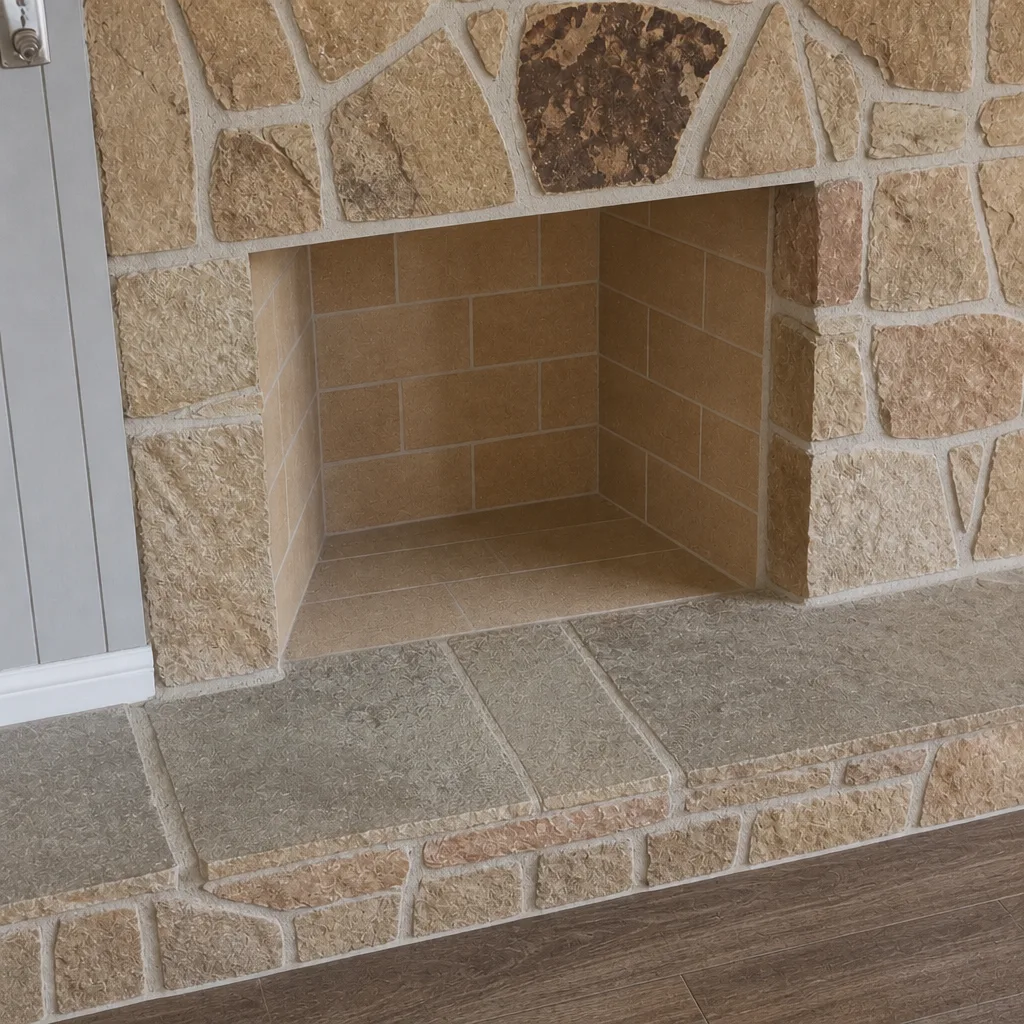
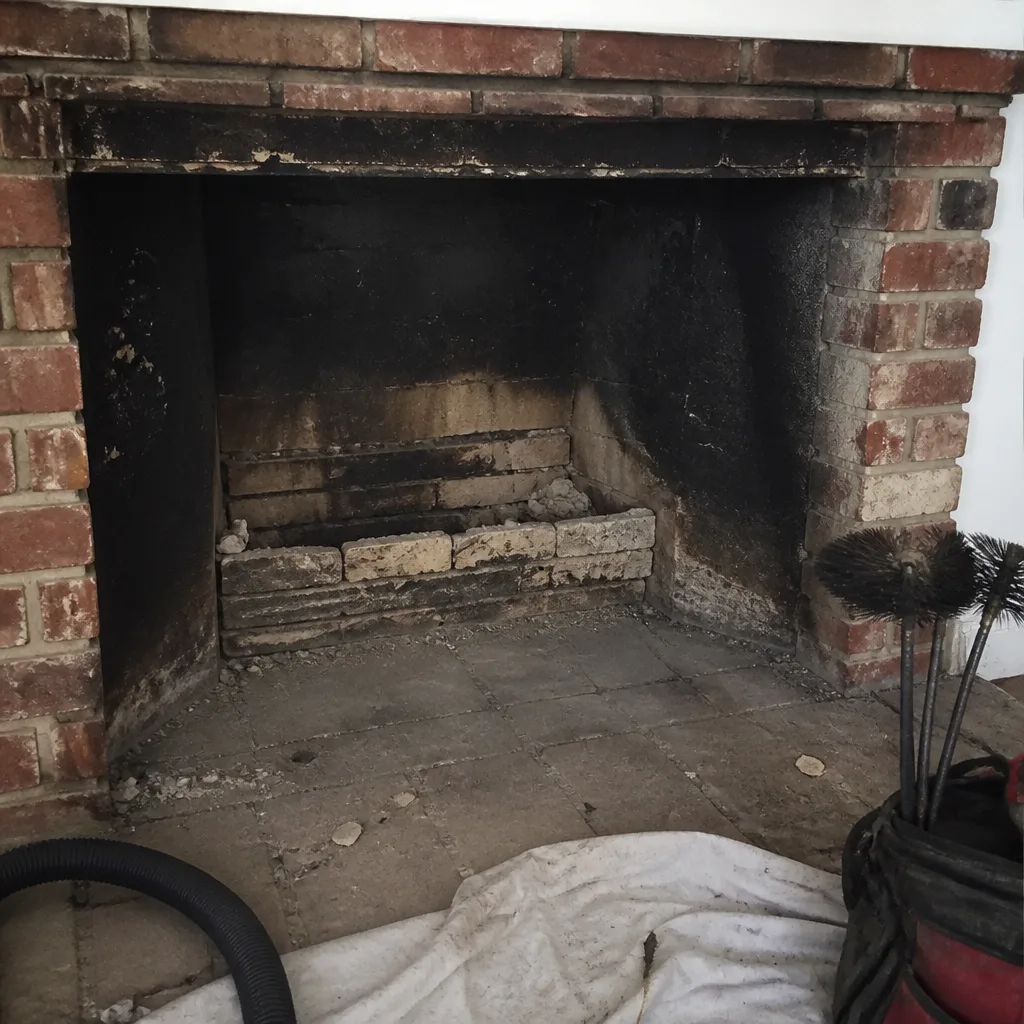 Before
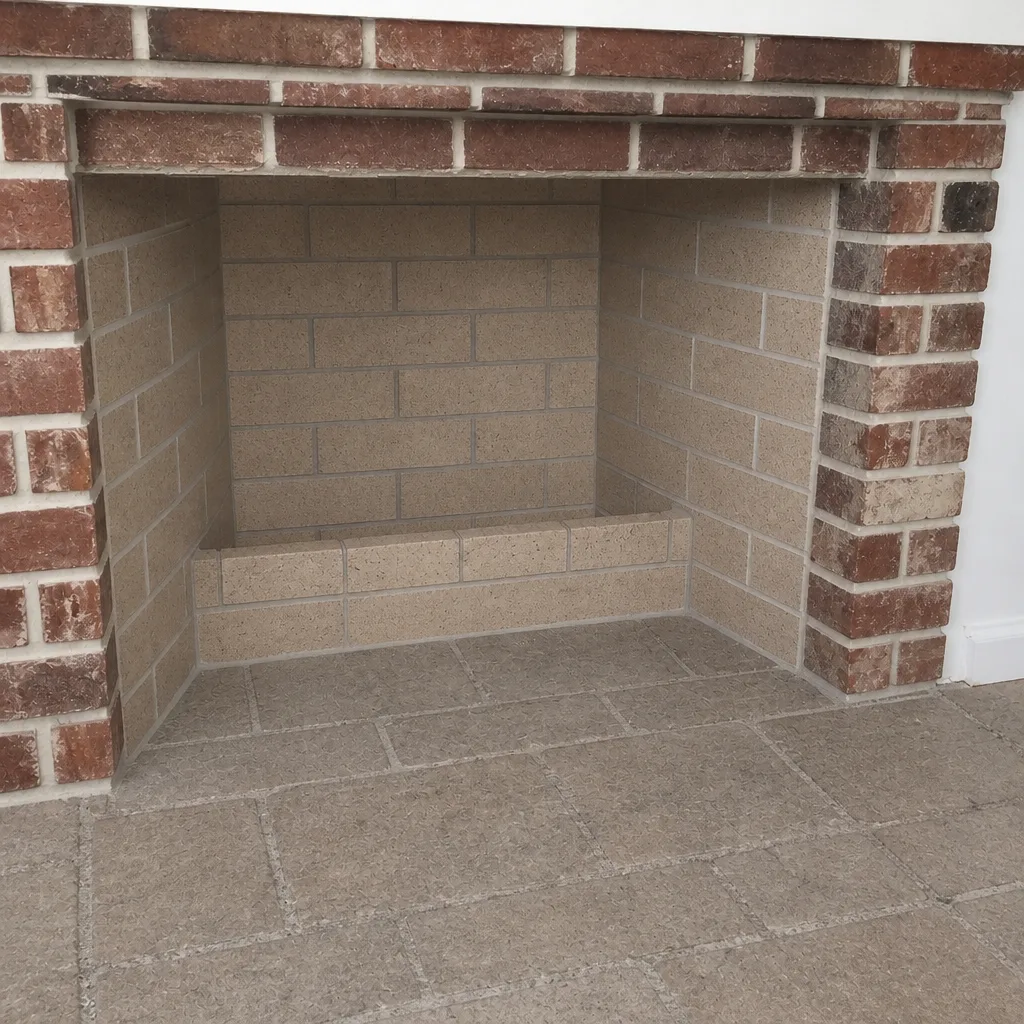 After
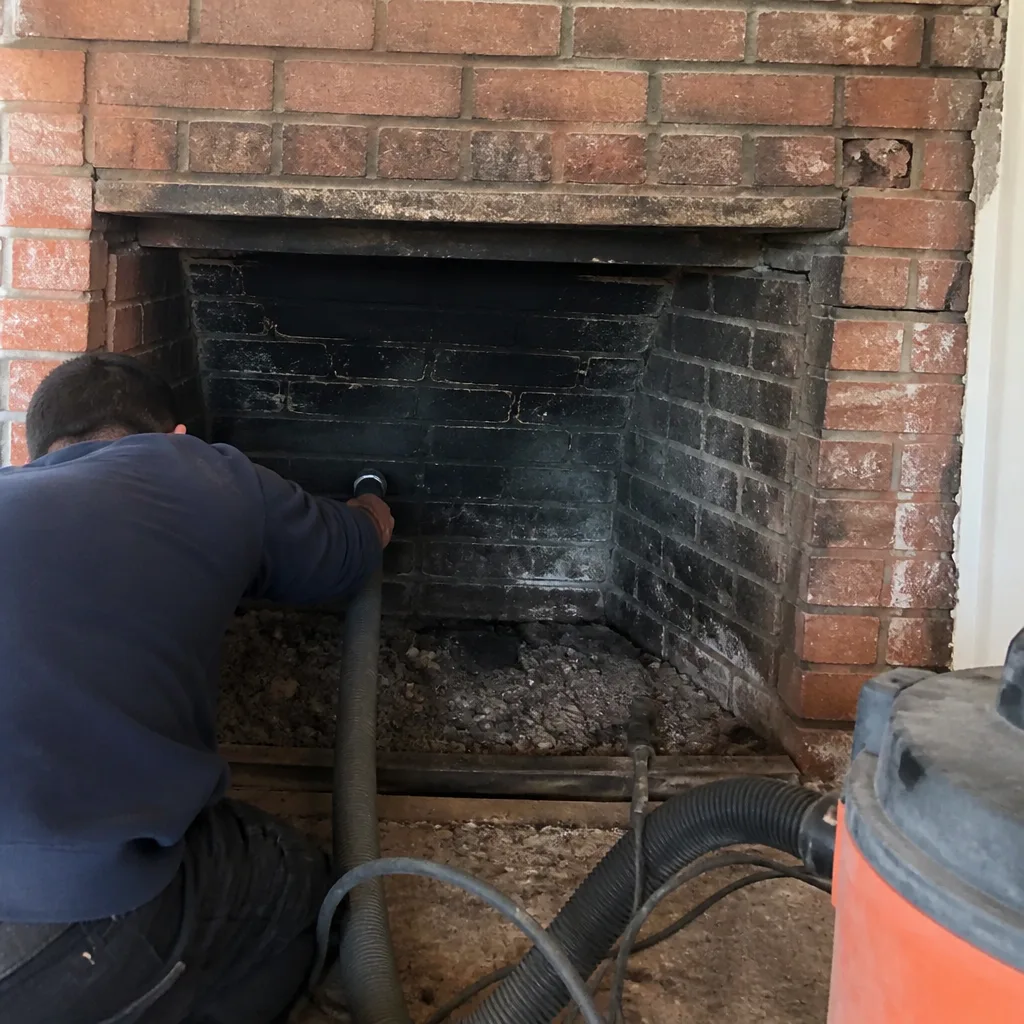
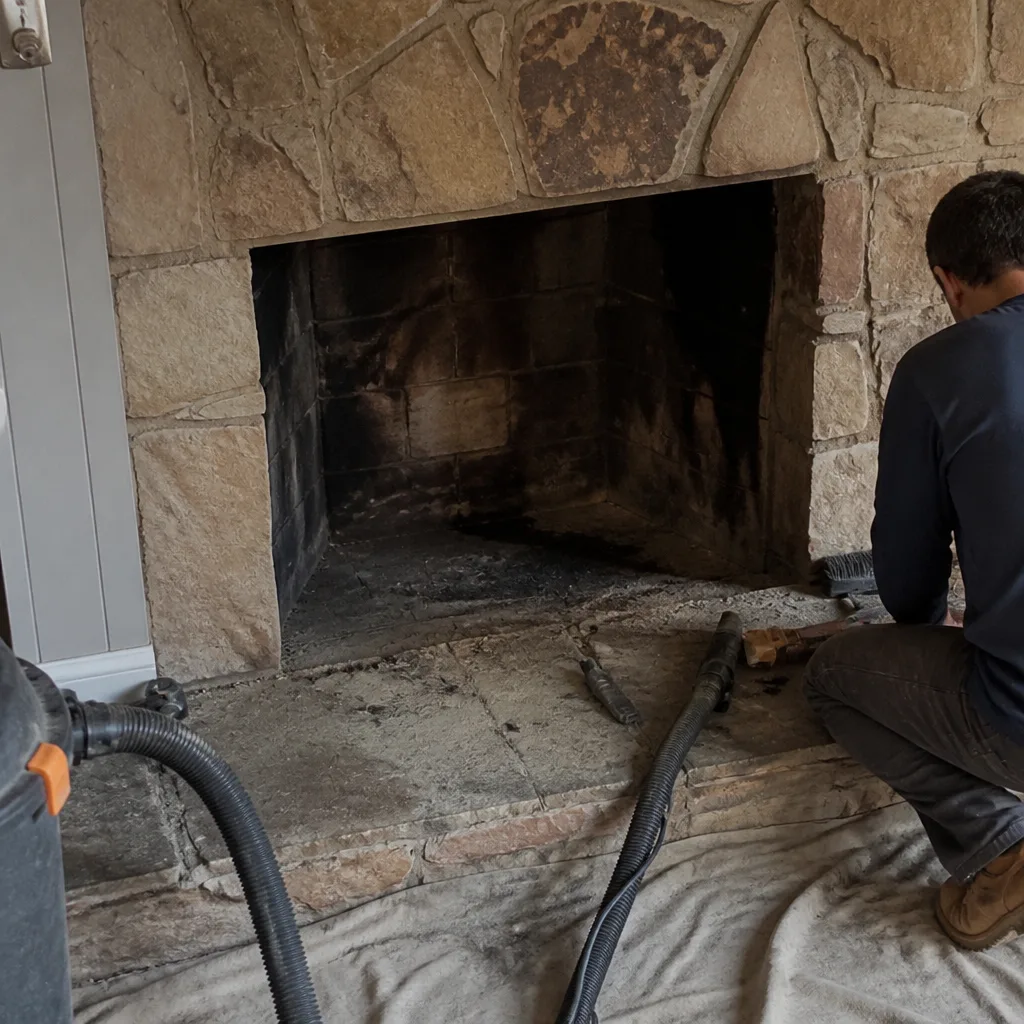 Before
 After
 Before
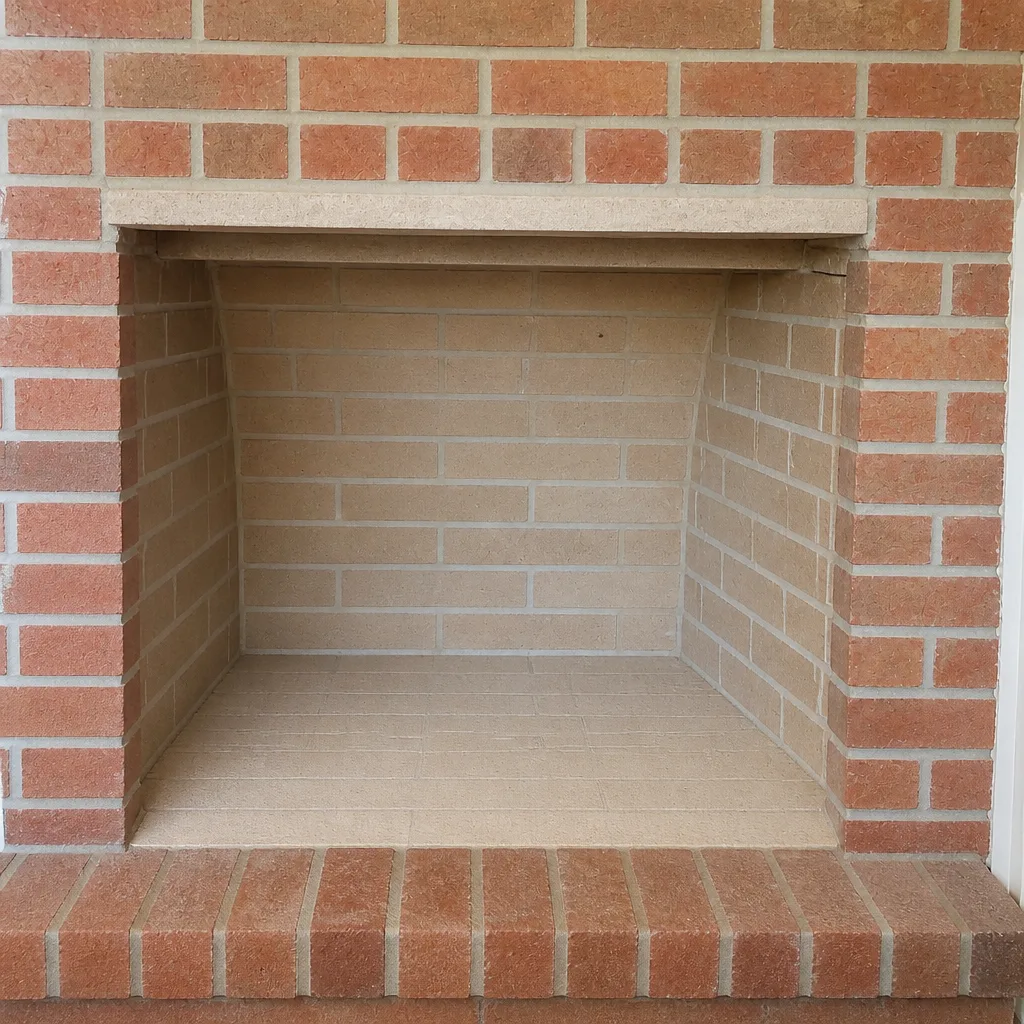 After
Common Mistakes to Avoid
- Ignoring smoke rollback because it only happens occasionally. A pressure problem that causes rollback under specific conditions will eventually cause rollback under normal conditions as the system degrades further. Fix it while the pattern is still readable.
- Scrubbing efflorescence without sealing the water entry point. You can clean the stain off a hundred times. It will return every time until the crack or failing crown is repaired. The stain is the symptom, not the disease.
- Using a store-bought creosote log instead of a mechanical sweep. Chemical additives can loosen creosote, but they don’t remove it. The loosened material still needs to be swept out. A creosote log without a follow-up sweep is cosmetic.
- Painting over spalling brick. Paint traps moisture inside the masonry, which accelerates the spalling cycle. A painted chimney that is already spalling deteriorates faster than an unpainted one. Brick needs to breathe.
- Waiting for the next earthquake to check the flue liner. A hairline crack from a minor tremor may not show symptoms for months. The camera inspection exists because the human eye can’t see the inside of a flue. Use it.
- Treating the dryer vent as a separate appliance issue. The dryer vent is part of the same air-pressure and fire-risk system as the chimney. Homes in Montebello with long vent runs need professional cleaning on a schedule, not when the dryer stops drying.
- Assuming an old chimney is grandfathered out of code compliance. Los Angeles County codes apply to existing installations, not just new construction. An unlined flue from 1948 is still an unlined flue. The insurance company will not accept “it’s been that way forever” as a defense.
When to Call a Professional
Call a sweep when the smoke rollback doesn’t resolve with an open window, when efflorescence keeps returning after cleaning, when spalling has progressed beyond surface flakes, when you’ve felt any seismic movement in the house and want the flue scoped, or when a home inspection report flags chimney conditions you don’t fully understand. These are mechanical problems requiring camera diagnosis and contractor-grade repair materials. Chimney Sweep Montebello offers free estimates in Montebello, and we diagnose before we quote. Call (833) 362-8107. We answer 24/7. Fast dispatch from 7am to 7pm, Sunday through Friday.
Frequently Asked Questions
A standard chimney sweep in Montebello typically runs between $180 and $340 depending on flue condition, creosote volume, and accessibility. The written estimate sets the final price after a visual inspection. Call (833) 362-8107 for an exact quote. Estimates are free.
It depends on the damage pattern. Cracked but structurally intact liners can often be restored with a HeatShield resurfacing application, which saves the cost and disruption of a full reline. Liners with extensive spalling, collapsed sections, or offset joints usually need a DuraFlex flexible liner system instead. A camera inspection tells you which path applies to your chimney. We restore before we replace whenever the liner condition allows it.
The National Fire Protection Association recommends a sweep when creosote build-up reaches one-eighth of an inch, regardless of time since the last cleaning. For Montebello homeowners who burn a cord or more per season, that usually translates to an annual sweep. Homes used occasionally may stretch to two years, but the camera inspection is what tells you the actual accumulation level.
Creosote accumulates in layers, and at a certain point the top layer can ignite. A chimney fire burns fast and hot, often cracking the liner and spreading to surrounding framing before anyone notices. The chimney may survive, but the liner rarely does. The repair cost after a chimney fire is far higher than the cost of a sweep before one.
Humidity causes creosote to absorb moisture and release odor-causing compounds. Montebello gets periodic humid air from coastal influence, and on those days a dirty flue smells worse. The fix is mechanical cleaning to remove the creosote layer entirely. A top-sealing damper can also prevent downdraft odor between fires.
It’s a real risk. Lint is highly combustible, and a restricted vent run forces the dryer to run hotter for longer. Thousands of house fires start in dryer vents every year. If your clothes take two cycles to dry or the exterior vent flap doesn’t open, the vent needs cleaning. We handle dryer vent cleaning and chimney sweeping under the same roof.
The Bottom Line
Chimney problems in Montebello are readable if you know what to look for. Smoke rollback points to pressure imbalance. Summer odor points to creosote moisture absorption. White staining points to water entry. Spalling points to freeze-resistant masonry failing under repeated wet-dry cycles. Each symptom maps to a mechanical cause, and each cause has a code-compliant fix that doesn’t require tearing out the fireplace. A camera inspection is the diagnostic tool that separates a guess from a finding. Get the flue scoped, keep the creosote out, and treat the dryer vent as part of the same system. That’s how you keep a Montebello chimney safe and functional for decades.
Written by the team at Chimney Sweep Montebello, serving Montebello since 2015.