
Last updated November 4, 2026
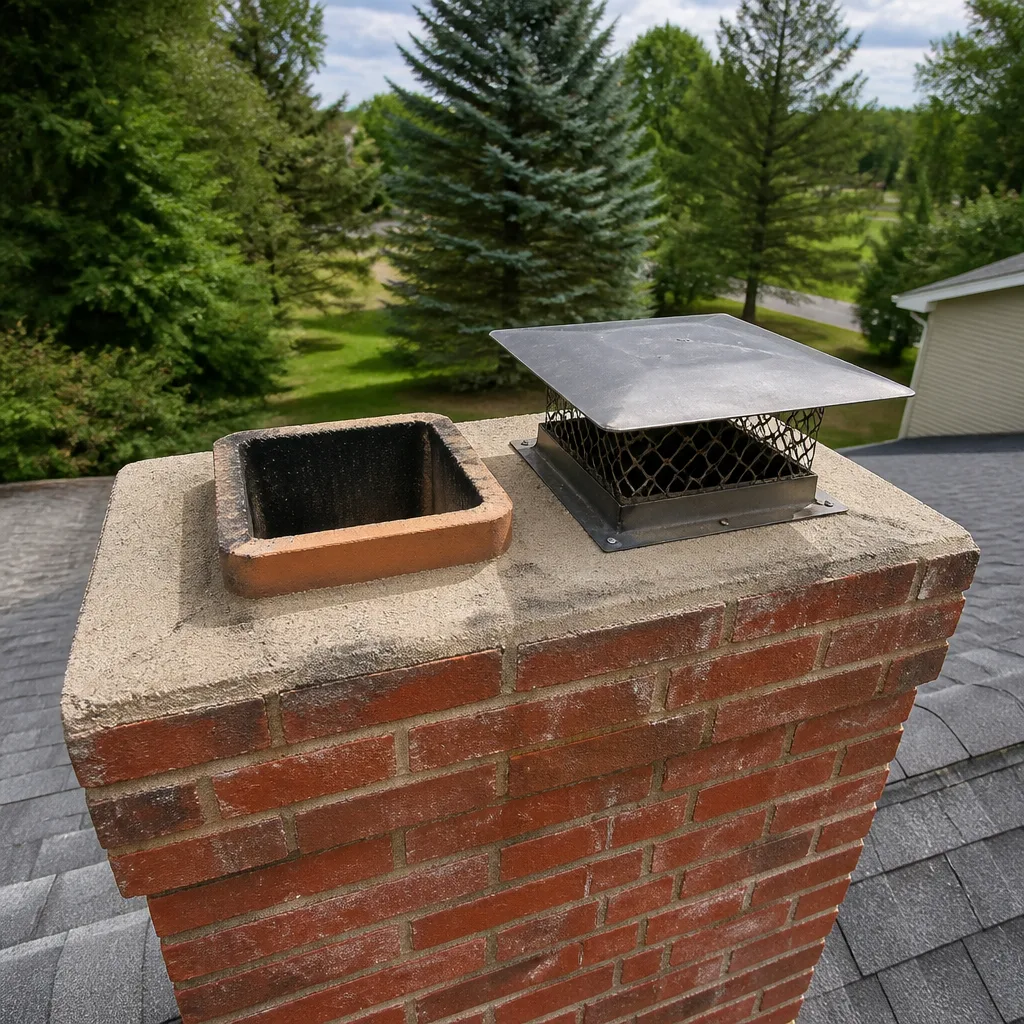 Sweep & inspection
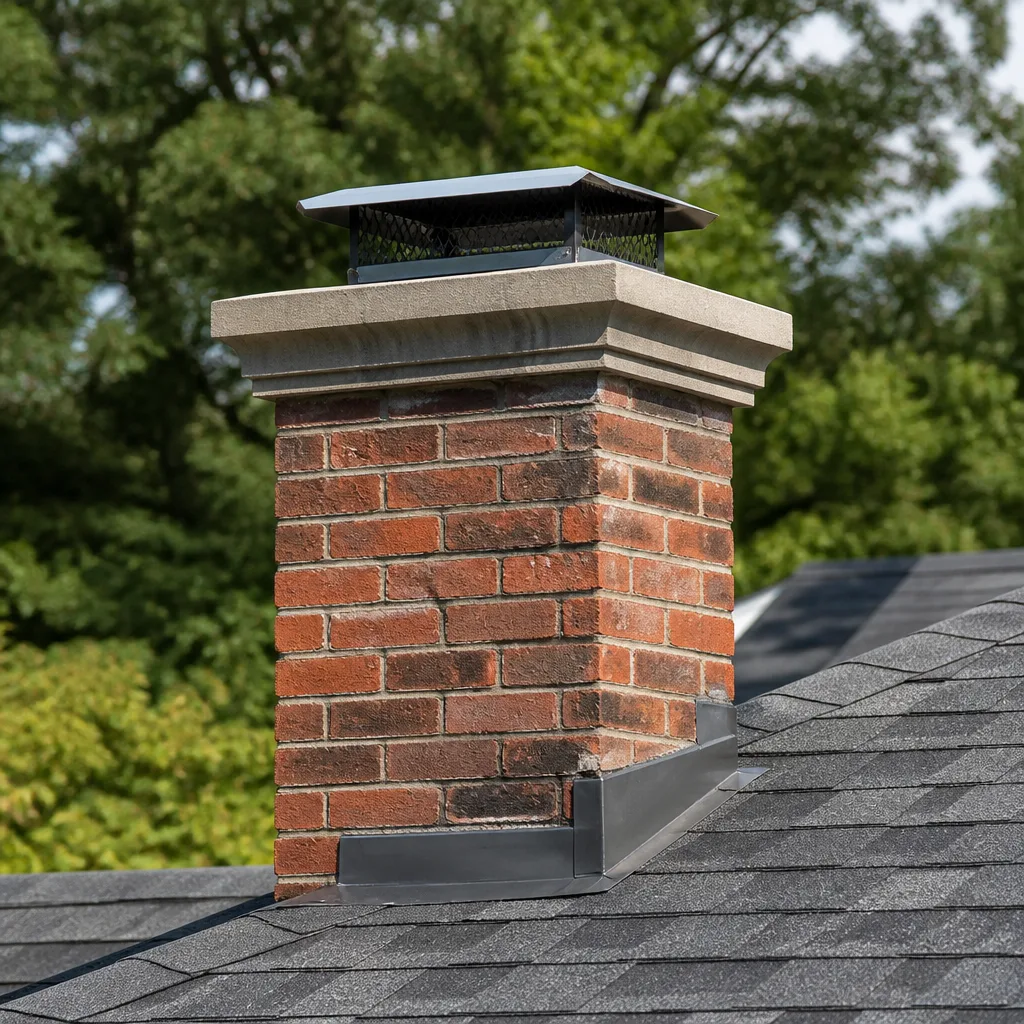 Caps & crowns
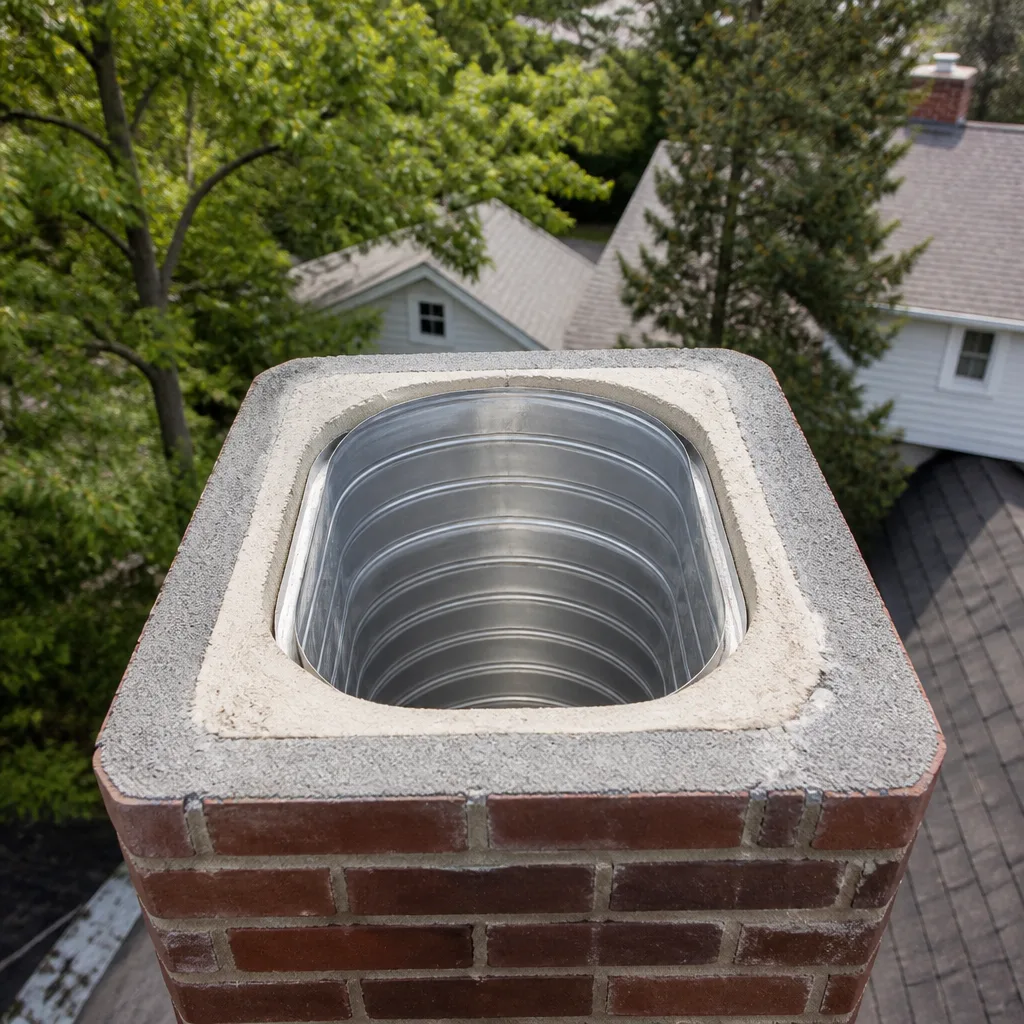 Flue relining
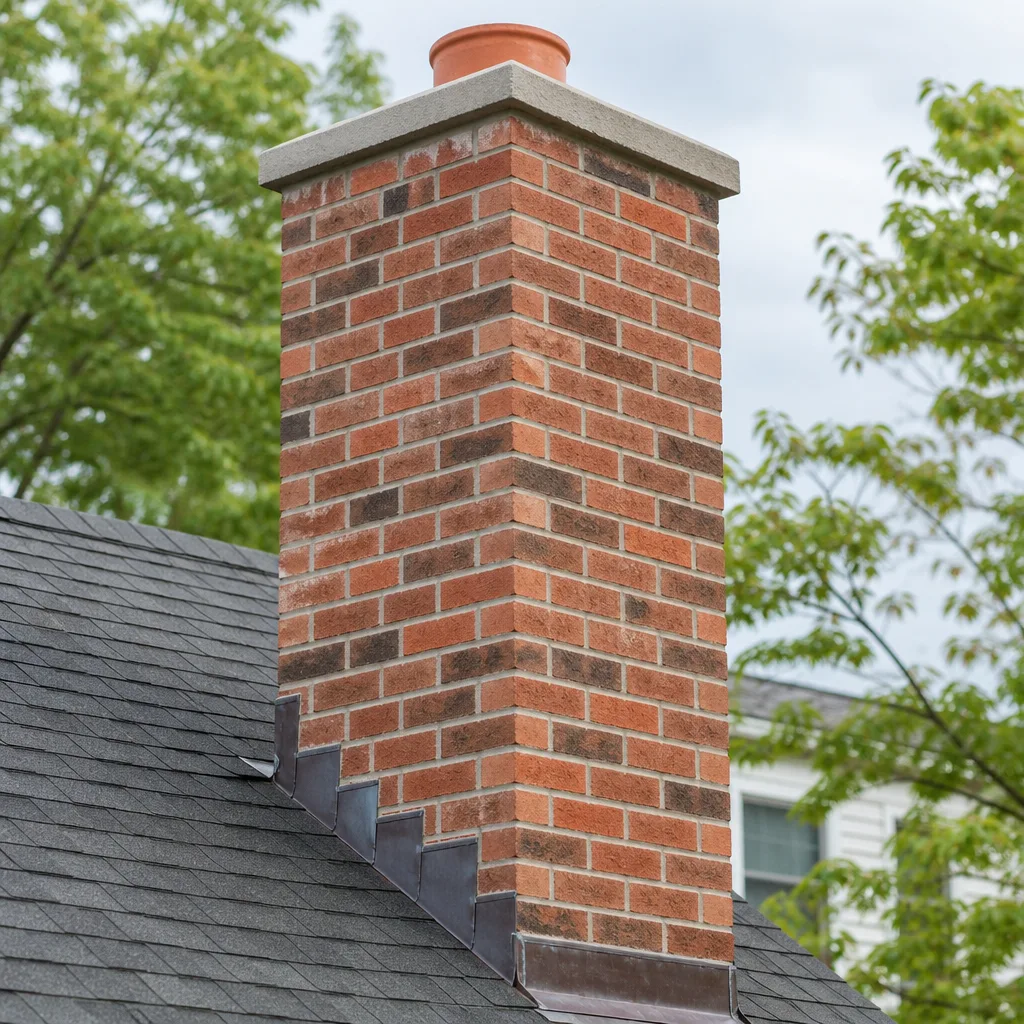 Masonry repair
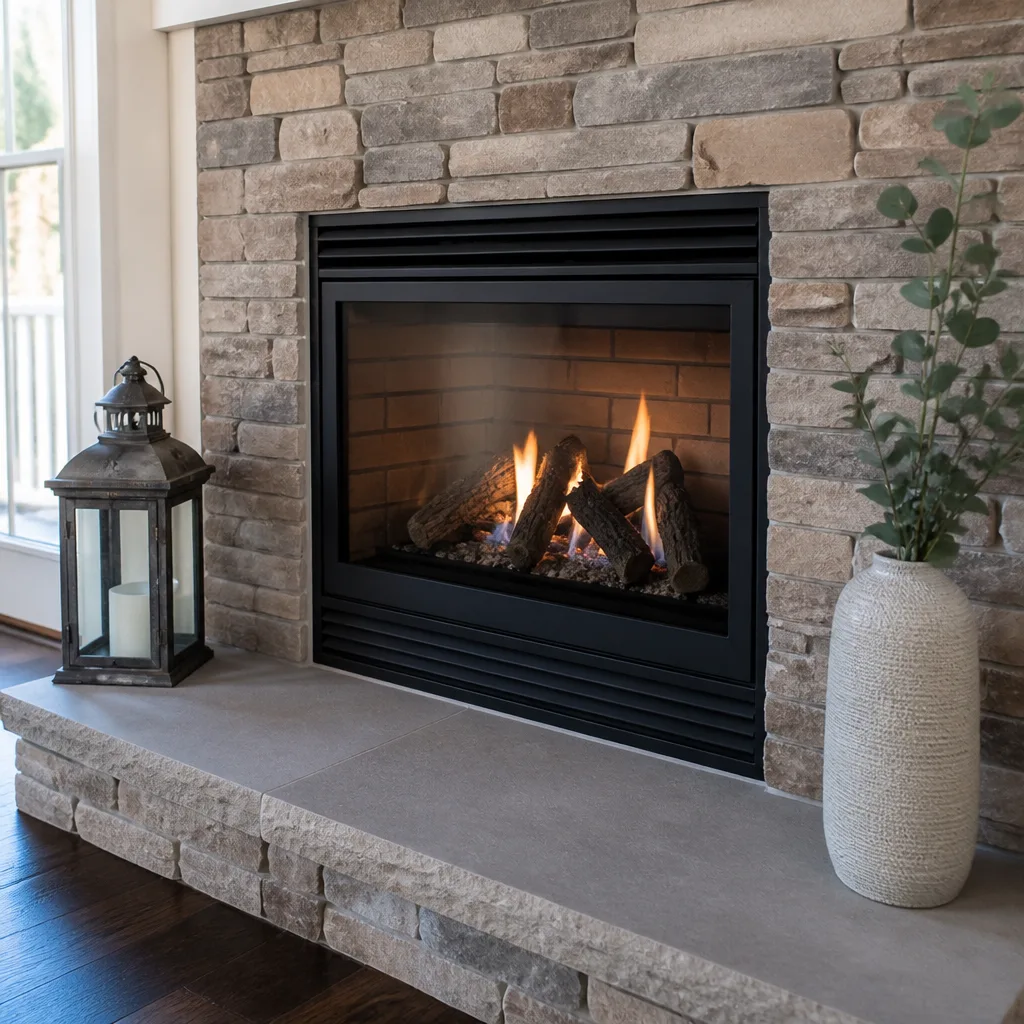 Gas fireplace service
Level 1 sweep and inspection to the NFPA 211 annual standard - flue, crown, cap, and flashing checked and photographed
Chimney sweep logs do not sweep chimneys. They loosen some creosote - which then falls where a brush and vacuum still have to collect it.
Chimney Cleaning Warning Signs: A Montebello Homeowner’s Reference Guide
Most Montebello homeowners assume a chimney problem announces itself with smoke pouring into the living room or a carbon monoxide alarm going off at 2 a.m. By then, the failure is already complete. The chimney warning signs that actually save money are the quiet ones: a faint campfire smell on a warm afternoon, a damper that doesn’t seat quite right, a few flakes of brick on the patio that weren’t there last spring. These early indicators map to specific mechanical problems, and each one has a predictable failure timeline. This guide explains what to look for, what each sign actually means, and which ones mean you should stop using the fireplace today. We work in Montebello’s older housing stock week in and week out, and the pattern is consistent: the houses that get inspected early need minor repairs, and the ones that wait need major ones.
Styles & brands we work with
- Sweep & inspection
- Caps & crowns
- Flue relining
- Masonry repair
- Gas fireplace service
Quick Answer
The earliest chimney warning signs in Montebello are a fireplace odor when the flue is closed, a damper that rattles or doesn’t seal, and visible staining or flaking on the exterior chimney above the roofline. A campfire smell with the flue closed points to one of three mechanical problems: a failed damper, negative house pressure, or creosote buildup that has narrowed the flue. Visual indicators in the firebox or smoke chamber, such as cracked flue tiles or water staining on the smoke shelf, signal repair-tier work that a routine chimney sweep will not fix.
Table of Contents
- Draft Symptoms That Point to Mechanical Failure
- Firebox and Smoke Chamber Indicators a Cleaning Won’t Fix
- Sound Diagnostics: What Your Chimney Is Telling You
- The Grade-Level Exterior Inspection
- Stop-Use Thresholds: When to Shut the Fireplace Down
- Why Montebello Homes Follow a Different Warning-Sign Pattern
- Common Mistakes to Avoid
- When to Call a Professional
- Frequently Asked Questions
- The Bottom Line
Draft Symptoms That Point to Mechanical Failure
A fireplace should pull air up and out. When it doesn’t, the smoke has to go somewhere, and homeowners describe the result in ways that sound minor: a musty smell near the hearth, a puff of smoke when the fire first lights, a living room that feels stuffy even with a window cracked. None of these are quirks. Each one is a diagnostic signal.
The most common draft symptom in Montebello homes is an odor that only appears when the fireplace isn’t in use, especially on warm days or when a bathroom fan or kitchen exhaust runs. A working damper closes off the flue from the living space. When the damper doesn’t seat fully, or the damper frame has warped, or the gasket material around it has degraded, indoor air pressure changes pull chimney air back into the house. That air carries creosote vapor and soot residue from the last several fires, and it lands in the living room as a stale campfire smell.
Back-puffing, which is the term for smoke that enters the room in short bursts during a fire, has a different cause profile. It usually means the flue is undersized for the fireplace opening, or the flue has been narrowed by creosote accumulation, or the house itself is depressurized. In Montebello, homes built before 1990 often have chimneys that predate modern mechanical ventilation. A kitchen exhaust fan rated for 400 cubic feet per minute can depressurize a tight older house enough to reverse chimney draft, even when the flue is clean and the damper is open. The fix is sometimes as simple as cracking a window during fires, but the diagnosis requires understanding the whole house, not just the chimney.
Sluggish smoke uptake at the start of a fire is often blamed on cold air in the flue, and that is partly right. But if the smoke still hesitates after the flue warms up, the problem is more structural. The smoke chamber, which is the transition area above the firebox and below the flue, may be oversized or may have accumulated a layer of creosote that disrupts laminar airflow. Montebello’s mild winters mean chimneys cool to ambient temperature between fires, which makes startup draft slower than in colder climates, but a persistent sluggishness is never normal.
Firebox and Smoke Chamber Indicators a Cleaning Won’t Fix
Not everything visible inside the fireplace is a cleaning issue. A professional Chimney Sweep Montebello technician distinguishes between creosote accumulation, which a sweep removes, and structural degradation, which requires repair.
Here are the firebox and smoke chamber indicators that signal repair-tier work:
- Flaking or spalling firebrick: The firebrick lining the firebox absorbs and radiates heat. When it begins to flake, the brick has absorbed moisture or has been subjected to heat stress beyond its rating. The flakes aren’t cosmetic. They expose the masonry behind the firebox to direct flame contact.
- Cracked flue tiles visible from the firebox: If you can see a vertical crack in the clay tile at the base of the flue, the liner has failed. The crack allows heat and combustion gases to reach the chimney structure. This is a repair item, not a sweep item.
- Water staining on the smoke shelf: The smoke shelf is the flat area behind the damper. Water staining there means the chimney has a water entry problem, usually a failed crown or missing cap. Water plus creosote creates an acidic compound that deteriorates mortar joints from the inside.
- White or gray residue on firebrick: Efflorescence, which is the white mineral deposit left behind when water evaporates from masonry, indicates water infiltration through the chimney structure. It will reappear after cleaning until the water source is addressed.
- Rusted damper components: A damper frame that shows rust has been exposed to water. The dampers in most older Montebello homes are steel, and once the frame rusts, it warps, which prevents a full seal, which triggers the odor problems described above.
We diagnose before we quote. That means if a fireplace shows cracked flue tiles, we may recommend a HeatShield resurfacing application to restore the flue liner rather than a full rebuild. HeatShield is a specialized ceramic coating system that seals cracks and restores the liner’s structural integrity, and it’s a repair option that a single-service sweep shop often can’t offer.
Sound Diagnostics: What Your Chimney Is Telling You
A chimney makes noises for specific reasons. Homeowners in Montebello describe most of them as background sounds and ignore them, which is understandable. But each one maps to a mechanical condition.
Rattling dampers
A damper that rattles when the wind blows or when a door opens has lost its seat. The damper plate is designed to close firmly against the frame. Rattling means the plate is loose, which means the seal is compromised. A loose damper leaks conditioned house air into the chimney in summer and allows chimney air back into the house in winter. The repair is usually straightforward: adjusting the damper plate, replacing the damper, or installing a top-sealing damper at the flue exit.
Dripping sounds
A dripping sound inside the chimney during rain, or after rain has stopped, means water is entering the flue and finding its way down. The likely entry points are a missing or damaged chimney cap, a cracked crown, or a deteriorated flue liner joint. In Montebello’s dry season, this may be the only water-related symptom you get all year. It’s worth investigating when you hear it, because water entry is progressive. The next rain event will push the water deeper into the structure.
Wildlife noise
Scratching, fluttering, or chirping from the chimney usually means a bird or squirrel has entered through an uncapped flue. The immediate risk is a blocked flue, which is a carbon monoxide hazard. The secondary risk is nesting material, which is flammable and often built directly on the smoke shelf or against the damper. The fix is a properly fitted cap with mesh sides, which prevents entry while preserving airflow. If an animal is present, the chimney should not be used until the animal is removed and the obstruction is cleared.
The Grade-Level Exterior Inspection
You don’t need a ladder to gather useful information about your chimney. A five-minute inspection from the ground or from a second-floor window can reveal most of the conditions that eventually turn into expensive repairs. Here is what to look for, and what each finding means.
- Cap condition: The chimney cap should sit level on the flue opening and show no visible rust. A cap that is missing entirely leaves the flue open to rain, debris, and animals. A stainless steel cap from Olympia Chimney or Famco is a direct replacement that addresses all three risks.
- Crown cracking: The crown is the concrete or mortar slab at the very top of the chimney. It should shed water away from the flue. Hairline cracks are normal after many years of sun exposure in Montebello, but cracks wider than a fingernail, or a crown that has separated from the flue, are active water entry points. Crown repair is a standard chimney repair item.
- Mortar joint color changes: The mortar between bricks should be uniform in color. Darker streaks or patches indicate water absorption. If you notice a distinct line where the mortar color changes, it may correspond to a flashing problem at the roofline.
- Efflorescence staining: The white mineral deposits mentioned earlier are visible on exterior brick as well. Efflorescence indicates water is moving through the masonry. It is not a structural problem by itself, but it’s a reliable early warning that the chimney has a water entry problem somewhere above the stain.
- Missing or spalled brick faces: If you find brick flakes or small pieces of mortar on the ground near the chimney, the masonry is shedding material. This is structural degradation, not wear and tear. The deterioration will continue until the water source is addressed and the damaged masonry is repaired.
None of these exterior indicators require a chimney sweep to diagnose. But they all require a technician who can repair the chimney, not just clean it. In Montebello, where many homes have chimneys that are 40, 50, or 60 years old, these conditions are common. The question isn’t whether the chimney has aged; it’s whether the aging is being managed.
Stop-Use Thresholds: When to Shut the Fireplace Down
Most chimney warning signs call for scheduling an inspection. A few call for an immediate stop. Here are the non-negotiable thresholds.
Stop using the fireplace today if:
- Visible smoke enters the living space during normal operation, even in small amounts. Smoke in the room means combustion gases are not being vented, and carbon monoxide is present in that smoke.
- A carbon monoxide alarm anywhere in the house sounds and the fireplace has been used in the last several hours. Treat this as an active hazard.
- You can see flame or glowing material through a crack in the chimney exterior. This means the flue liner has failed and heat is reaching combustible structure.
- Water drips from the firebox during rain. The chimney structure is saturated, and using the fireplace will create steam pressure inside the masonry that accelerates damage.
- There is an active animal nest in the flue. The nest is both a blockage and a fire load.
- You smell natural gas near the fireplace. Turn off the gas supply to the appliance if you can do so safely, leave the house, and call your utility provider.
These thresholds are not conservative cautions. They are the line between a service visit and an emergency. A fireplace that exhibits any of these conditions should be inspected by a technician who can document the condition with camera imaging before and after any work. Restore before you replace whenever possible, but never use a fireplace that shows active venting failure.
Why Montebello Homes Follow a Different Warning-Sign Pattern
Chimney maintenance guides written for national audiences describe freeze-thaw damage and snow-driven water entry as primary concerns. Montebello’s climate produces a different failure pattern. The region’s mild winters and long dry season mean chimneys here age through heat cycling and intermittent rain events rather than frost action. That changes which warning signs appear first.
In a cold climate, the first visible sign is often spalling brick from freeze-thaw cycling. In Montebello, the first sign is more often a damper that won’t seal, because the repeated heat cycling of frequent but short-duration fires warps steel dampers gradually. The second common early sign is efflorescence below the crown, which develops after years of winter rain exposure followed by months of drying weather. The third is creosote narrowing in flues that serve two fireplaces, which is common in the larger homes in the northern parts of Montebello.
Homes built before 1990 throughout Montebello were constructed under different chimney standards. Untreated clay tile liners were standard, fireplace openings were often larger than modern units, and smoke chambers were sometimes built with corbeled brick rather than a dedicated chamber form. These design characteristics are not defects, but they create specific maintenance patterns. A pre-1990 chimney is more likely to need flue resurfacing or a flexible liner than a total rebuild, which is why we maintain HeatShield certification for resurfacing and use DuraFlex flexible liner systems for relining complex or offset flues.
The mild climate also means Montebello homeowners sometimes go two or three years between fireplace uses, especially in drought years. A chimney that sits unused still accumulates dust, spider webs, and sometimes wildlife debris. It doesn’t accumulate creosote from fires it never hosted, but it can develop odor and damper problems unrelated to burning. An inspection is still warranted before the first fire of a new season, even if the fireplace was cleaned the last time it was used.
Common Mistakes to Avoid
- Treating the annual sweep as sufficient inspection. A chimney sweep removes creosote. It does not diagnose cracked liners, failed dampers, or crown damage unless the technician is trained and equipped for repair work. In Montebello, a sweep-only visit can leave structural problems undetected for another year.
- Rationalizing the campfire smell. The odor is a draft diagnostic, not an aesthetic trait. The three causes, a failed damper, negative pressure, or a narrowed flue, all worsen over time and two of them are fire-safety issues.
- Ignoring exterior deterioration until it threatens the structure. Brick faces don’t fall off suddenly. They spall gradually after years of water infiltration. Waiting until visible damage appears on the ground means the repair has already grown from crown work to masonry rebuilding.
- Assuming an uncapped chimney is fine because no animal has gotten in yet. The risk is probabilistic. Eventually rain, an animal, or both will find the opening. A cap is inexpensive relative to the liner damage and nesting removal that follow.
- Using the fireplace with a compromised damper because the fire still lights. A fire that lights doesn’t mean the chimney is venting correctly. A warped damper can restrict exhaust flow even when open, and a damper that doesn’t close leaks house air when not in use.
- Delaying inspection because the fireplace is rarely used. Unused chimneys still deteriorate. Water entry happens whether or not fires are lit. The first use after a long idle period is the highest-risk fire for a chimney with an undiagnosed flaw.
- Choosing a sweep based on price alone. A sweep that doesn’t inspect the full system is a cleaning service, not a diagnostic service. Montebello homeowners with older chimneys need a technician who can identify repair-tier issues and perform the repairs, not hand off a referral to a masonry contractor they’ve never met.
When to Call a Professional
Call a chimney professional when you notice any of the warning signs in this guide that you can’t explain, or when you’re preparing to use the fireplace after a long idle period, or when a home inspection has flagged a chimney condition and you need a technician who can both diagnose and repair. A routine sweep is appropriate when the last cleaning was within the past year and no new symptoms have appeared. Everything else calls for a diagnostic inspection.
If you’re in Montebello, Chimney Sweep Montebello provides free estimates for chimney sweeps, repairs, and dryer vent cleaning. One call covers the whole combustion-exhaust system in the home. Call (833) 362-8107. We answer 24/7. Fast dispatch from 7am to 7pm, Sunday through Friday.
Frequently Asked Questions
A chimney should be cleaned after every cord of wood burned, or at least once per year if the fireplace is used regularly. The National Fire Protection Association standard is that a chimney should be swept when creosote accumulation reaches 1/8 inch. Montebello’s short fire season means most homes that use the fireplace recreationally on winter evenings can go a full year between cleanings, but a home that burns wood as a primary heat source, or burns unseasoned wood, may need a mid-season sweep. The written estimate from the sweep will set the price per job.
The smell means chimney air is flowing back into the house. This happens when the damper doesn’t seal completely, when negative house pressure from exhaust fans pulls chimney air backward through the flue, or when creosote buildup has narrowed the flue enough to reduce natural draft. The fix depends on the cause: damper repair, house pressure management, or a sweep. Call (833) 362-8107 for an exact diagnosis and a free estimate.
Not necessarily. Cracked flue tiles can often be restored with a HeatShield resurfacing application, which seals the cracks and restores the liner’s integrity without demolition. HeatShield is a contractor-grade ceramic coating system applied directly to the existing tile. It is code-compliant and documented, and it costs substantially less than a full relining job. Full relining is appropriate when the existing liner has collapsed or when the flue is severely offset and a flexible liner is required, which we handle with DuraFlex systems.
Nothing happens immediately in most cases. The risk accumulates. Creosote builds up in layers, and the layer that forms this year is warmer, closer to the ignition point, and more adherent to the previous layers. A chimney that would have passed a safety inspection last year may be a fire hazard this year. The other risk of skipping is that structural deterioration goes undetected. A crown crack that is a $400 repair this year becomes a water-damaged chimney chase that costs several times that amount in two years. Call (833) 362-8107 to schedule a sweep and inspection.
You can purchase a brush kit and run it down the flue from the roof, but the result is a partial cleaning without the diagnostic information. A professional sweep removes creosote from the firebox, smoke chamber, and flue, then inspects the full system with a camera to document liner condition, damper function, and water entry points. The inspection step is where most problems are found. A homeowner-style brushing addresses only one part of the system and provides none of the documentation. Call (833) 362-8107 for a free estimate on a full sweep.
Estimates are free. The final price depends on what the inspection finds and what the homeowner approves. A standard chimney sweep in Montebello typically falls within a predictable regional range, but the written estimate sets the final price before any work begins. Camera inspection and photo documentation are included with the sweep, and nothing is recommended without visual evidence the homeowner can see for themselves. Call (833) 362-8107 for a free estimate, and we’ll give you an exact figure before any work is scheduled.
The Bottom Line
Chimney warning signs exist on a spectrum. The early ones, a faint odor, a rattling damper, efflorescence below the crown, are quiet and easy to dismiss. The late ones, smoke in the living room, a sounded CO alarm, water dripping from the firebox, are the same conditions after they’ve been allowed to progress. Montebello’s older housing stock means most homes in this city will face these issues eventually. The difference in repair cost between catching a damper seal failure early and catching a water-damaged flue after several rain seasons is measured in thousands of dollars. The inspection is the inexpensive part. If you’ve noticed any of the signs in this guide, or if it’s simply been more than a year since the last cleaning, call Chimney Sweep Montebello at (833) 362-8107 for a free estimate. We answer 24/7. Fast dispatch from 7am to 7pm, Sunday through Friday.
Written by the team at Chimney Sweep Montebello, serving Montebello since 2015.
See the difference
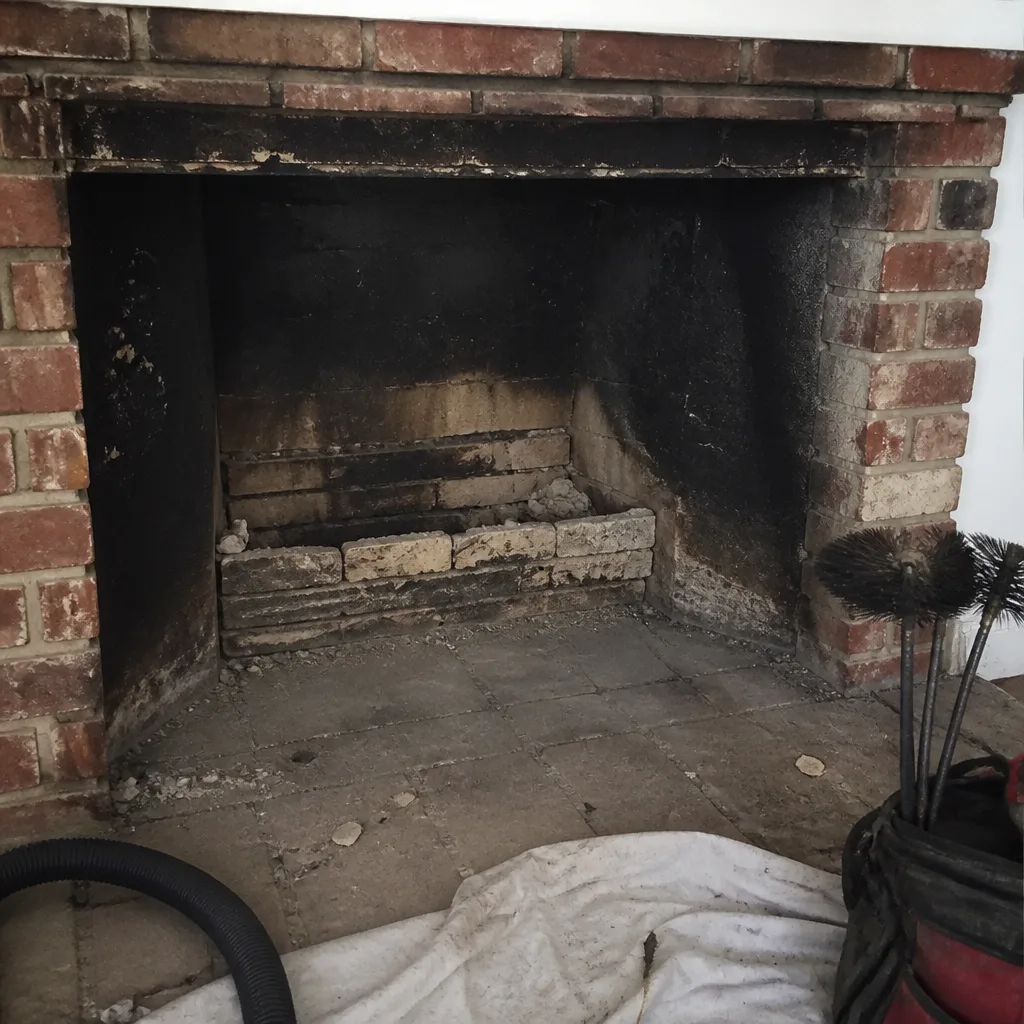 Before
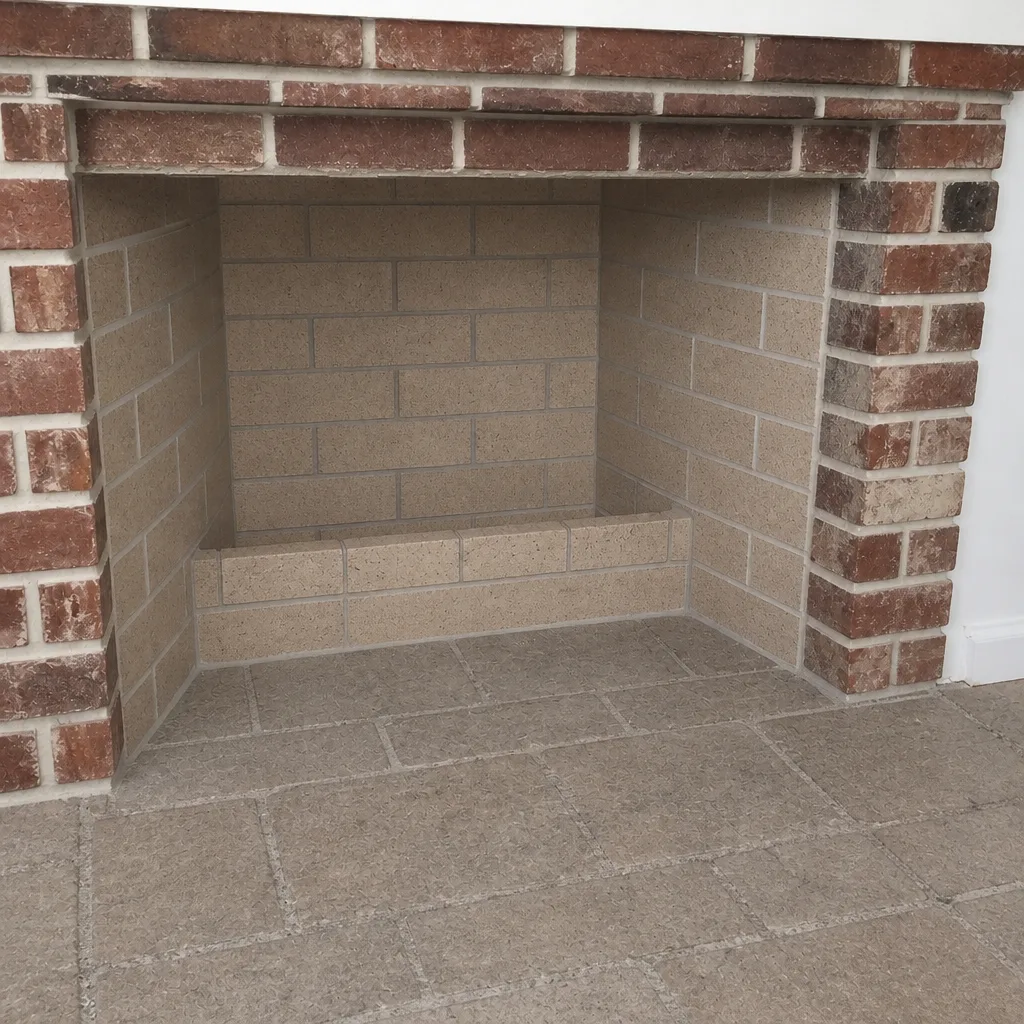 After
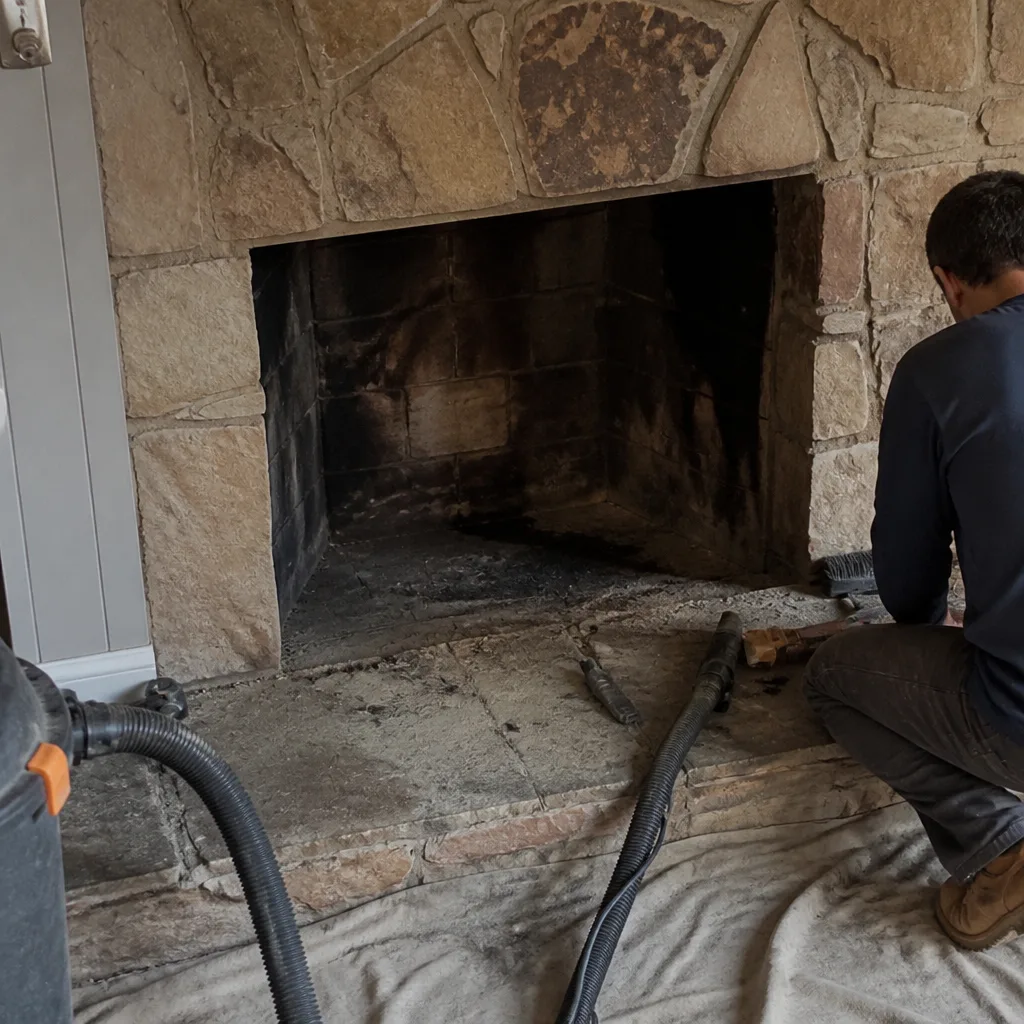 Before
 After
 Before
 After