
Last updated November 4, 2026
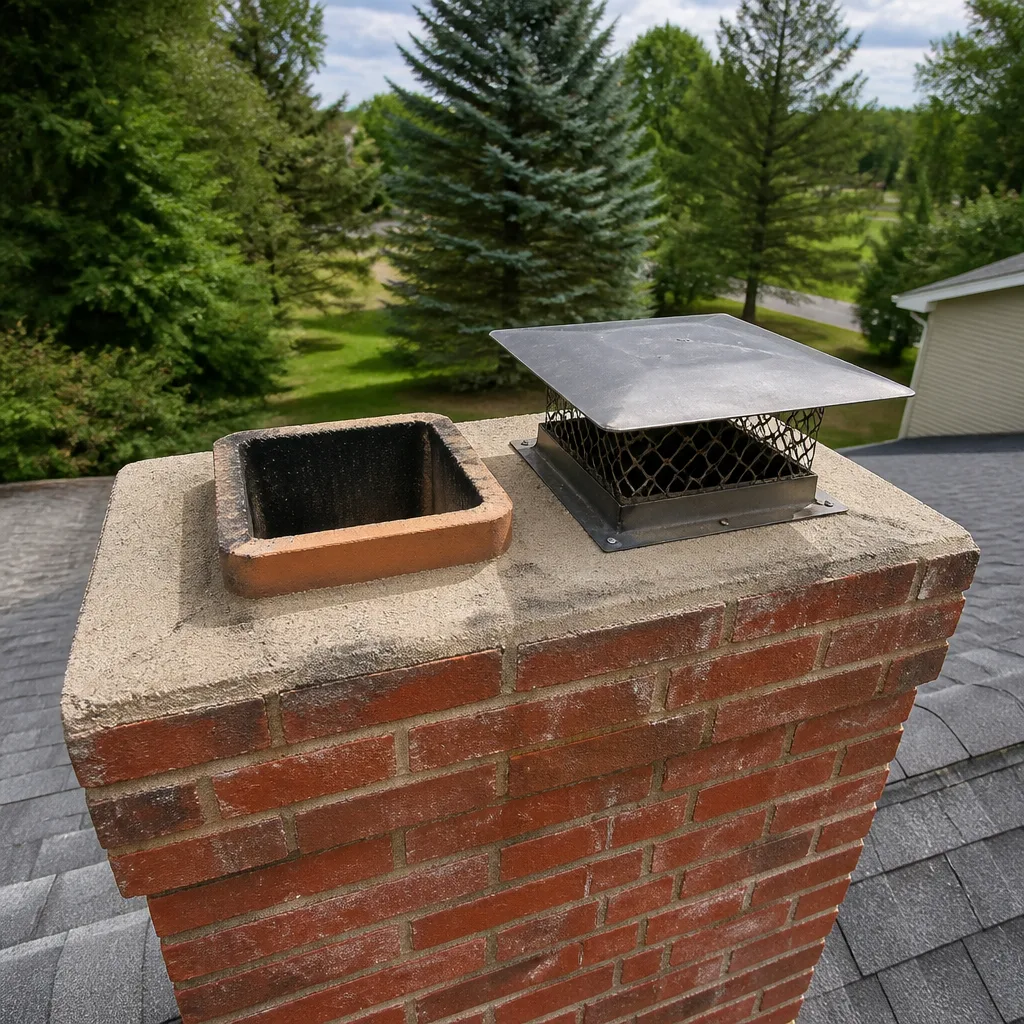 Sweep & inspection
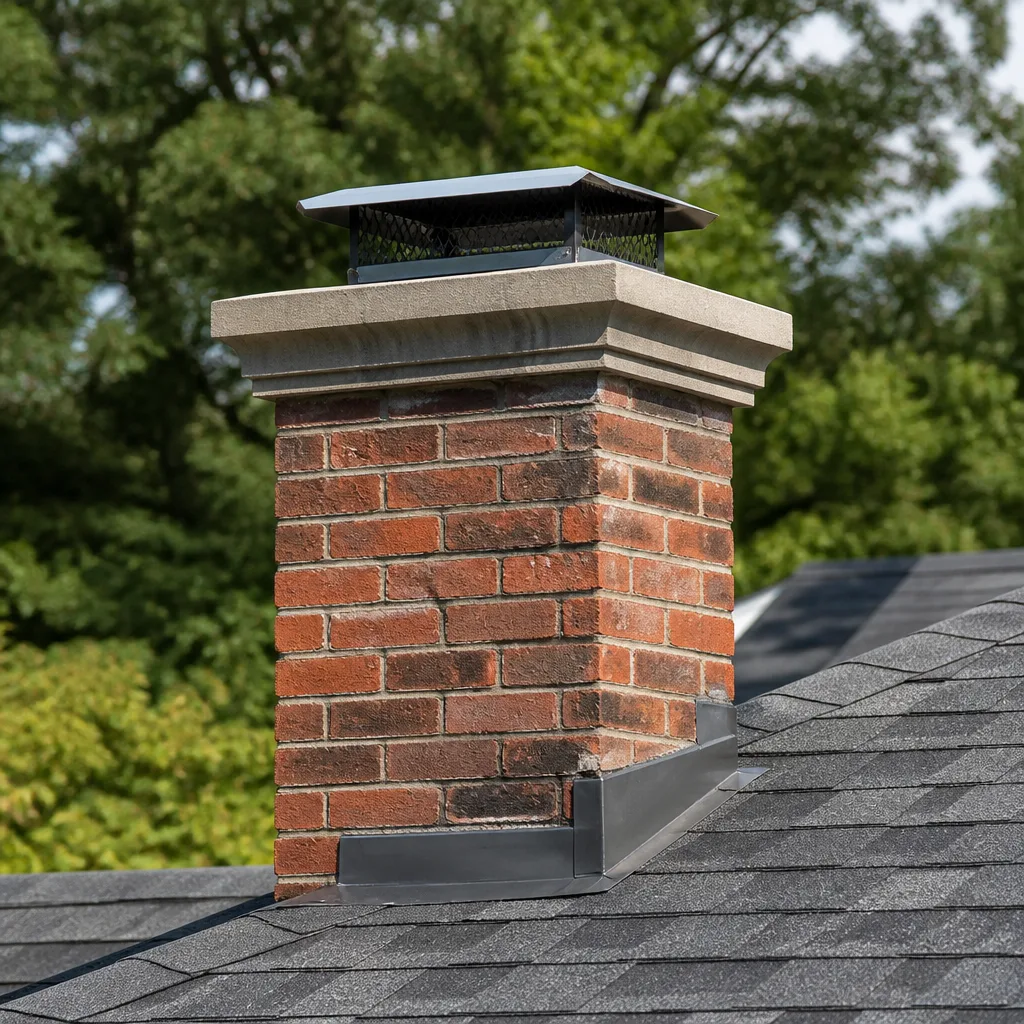 Caps & crowns
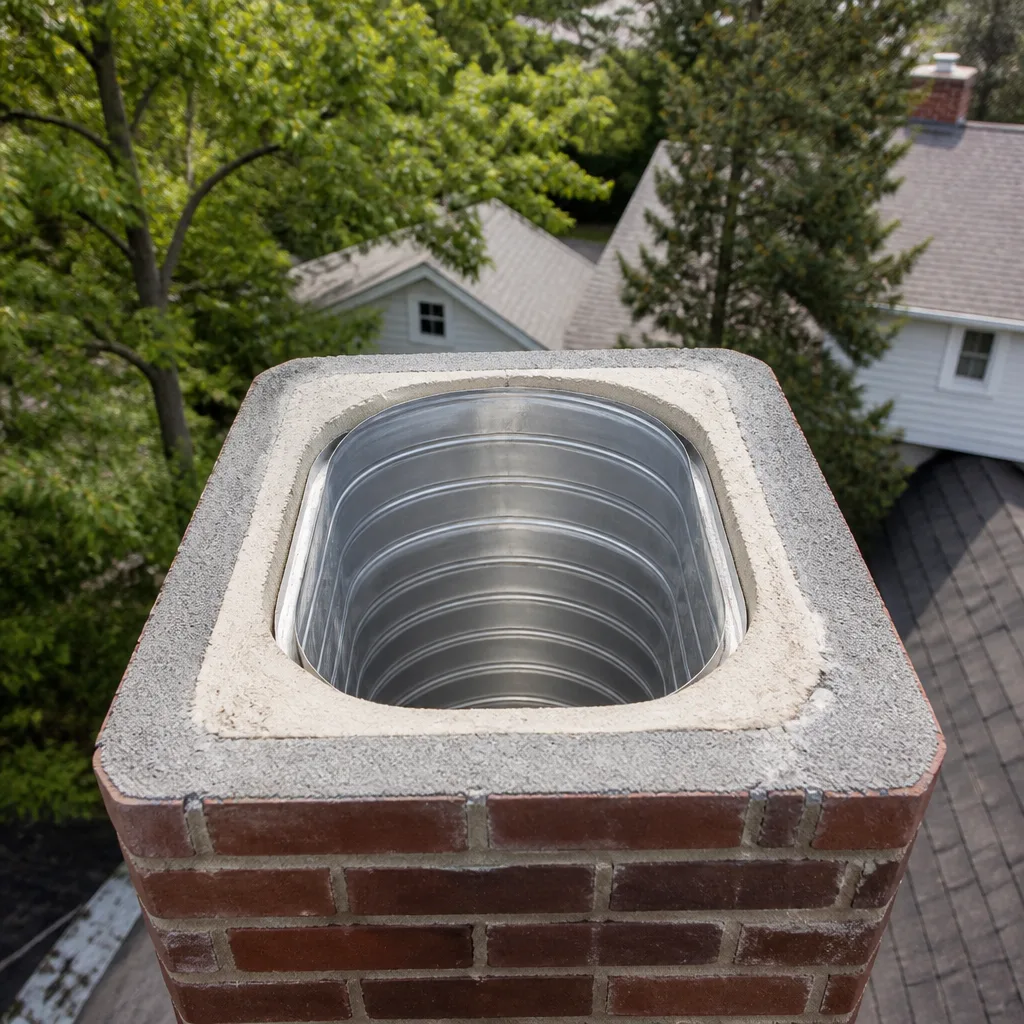 Flue relining
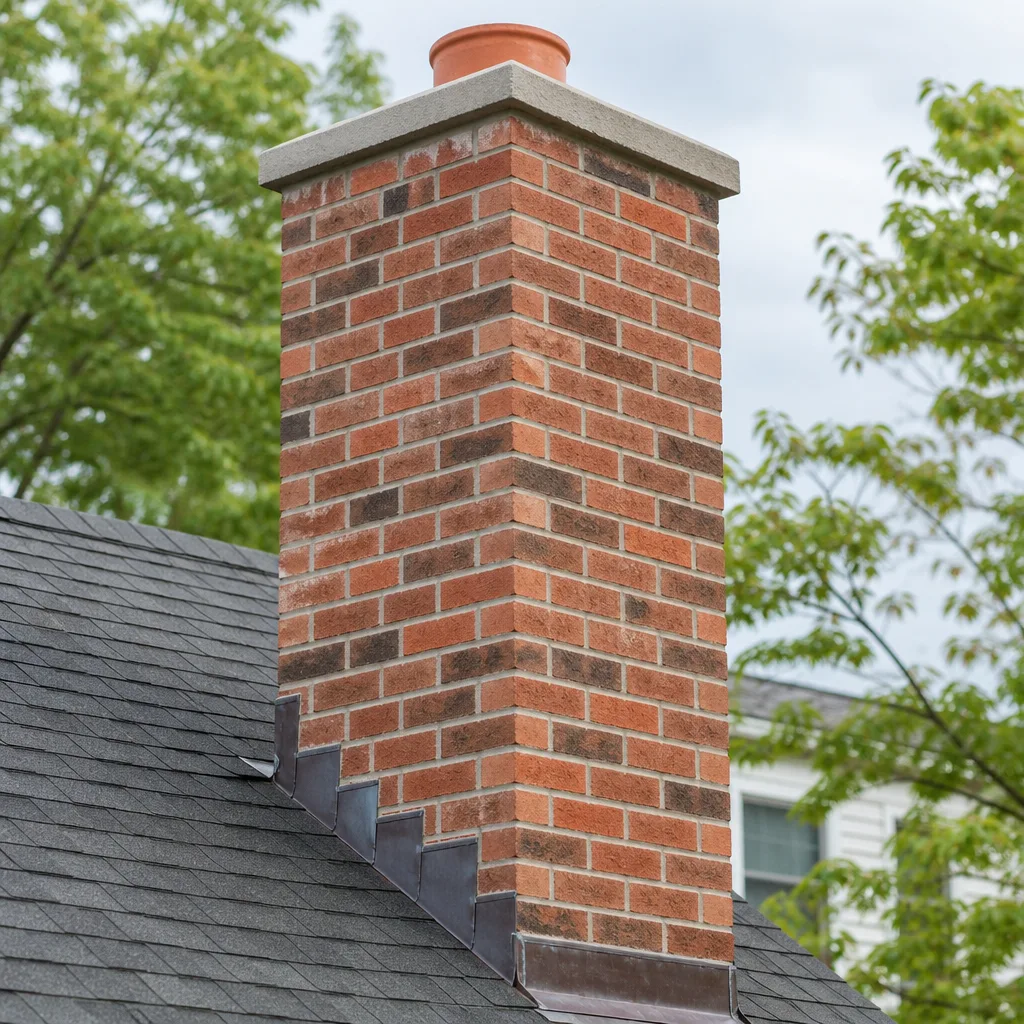 Masonry repair
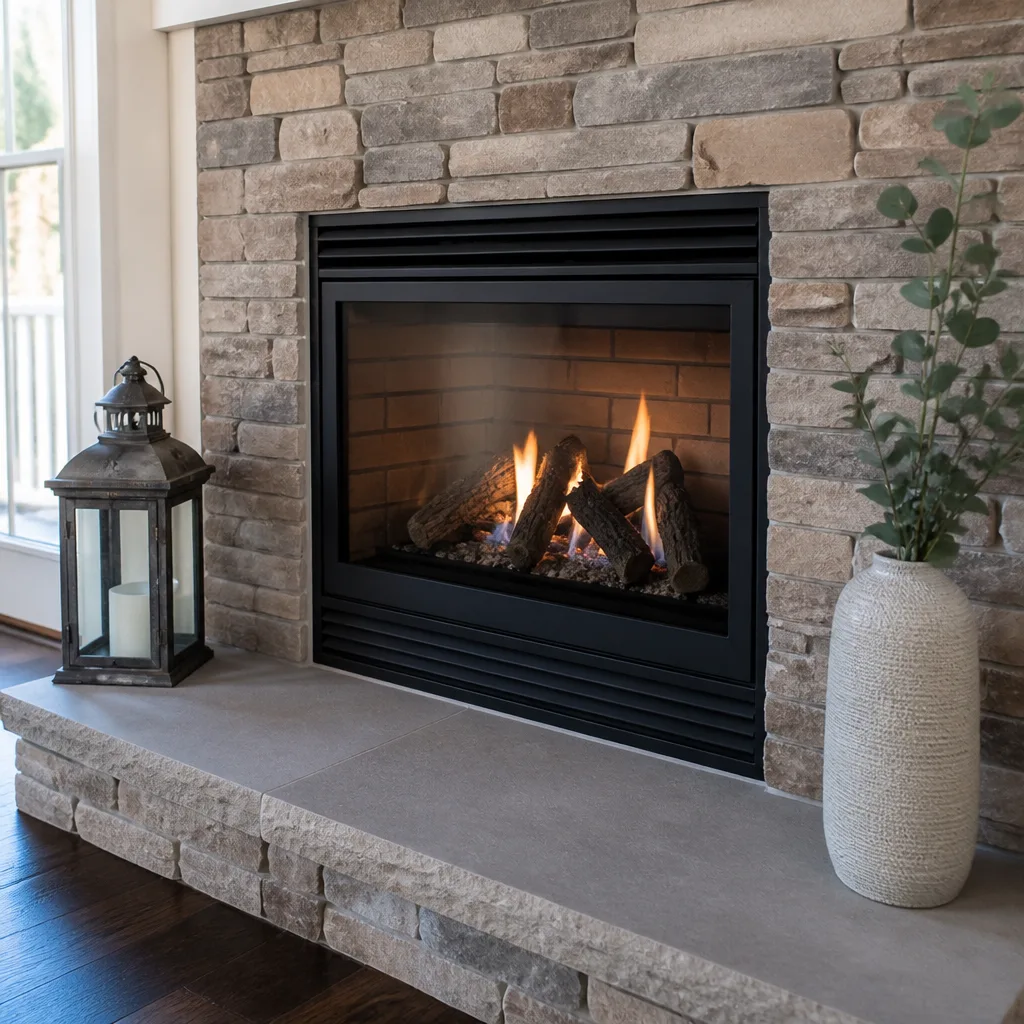 Gas fireplace service
Level 1 sweep and inspection to the NFPA 211 annual standard - flue, crown, cap, and flashing checked and photographed
Chimney sweep logs do not sweep chimneys. They loosen some creosote - which then falls where a brush and vacuum still have to collect it.
Chimney Sweep Maintenance Checklist for Montebello Homeowners
Most chimney maintenance guides fail homeowners because they list tasks without explaining why any of them matter. They tell you to “inspect the mortar” without telling you what failing mortar actually looks like. That’s backwards. A useful checklist starts with the failure points: the firebox joints, the damper plate, the crown. Those are the two surfaces, firebox and damper, that deteriorate most quietly in Montebello homes. No smoke alarm goes off. No odor gives it away. Just slow structural decline until a four-figure repair lands in your lap. This guide reverses the usual order. Every item here exists because a specific component fails in a specific way, and catching it early changes what you pay. If you own a home in Montebello, especially one built before 1990, this is the maintenance logic your chimney actually needs.
Quick Answer
A chimney maintenance checklist for Montebello homeowners should cover monthly visual checks of the firebox mortar and damper plate, seasonal checks of the exterior crown and cap, and professional sweeping at least once per burning season for wood-burning fireplaces. Gas fireplaces need an annual inspection, and any fireplace used heavily during winter should get a mid-season professional look. The single most important habit is documenting changes between visits: photos of the firebox, notes on draft behavior, and any new odors give your technician diagnostic data before they arrive.
Styles & brands we work with
- Sweep & inspection
- Caps & crowns
- Flue relining
- Masonry repair
- Gas fireplace service
Table of Contents
- Why Most Checklists Fail Montebello Homeowners
- Monthly Visual Checks: Firebox and Damper
- Seasonal Exterior Checks: Crown, Cap, and Flue
- Service Intervals by Fuel Type: Wood, Gas, Dual-Fuel
- Cleaning vs. Inspection: Why You Need Both
- What to Document Between Professional Visits
- Montebello-Specific Factors: Particulate Season, Earthquakes, Marine Layer
- When Professional Service Is Non-Negotiable
Why Most Checklists Fail Montebello Homeowners
The typical chimney maintenance checklist reads like a spring-cleaning list: “check the chimney,” “clean the flue,” “make sure everything works.” Those items are vague enough to skip and broad enough to miss real problems. A homeowner who reads “check the chimney” and glances at the exterior brick has done nothing useful. The failure isn’t laziness. It’s that the checklist never told them what failure looks like.
We approach maintenance differently. Every item on this list exists because we have seen that specific component fail in Montebello homes, and because early detection changes the repair cost. A hairline crack in a firebox mortar joint is a $200 repair. Ignored for two seasons, that same joint opens, heat reaches the framing, and the conversation shifts to structural work. The checklist isn’t filler. It’s a diagnostic sequence. When we perform a chimney sweep, we are reading the same surfaces in the same order. Teaching homeowners to do a basic version of that read means problems surface before they compound.
Montebello’s housing stock skews older. Many homes in the community were built between the 1940s and 1980s, and their chimneys carry that age in the mortar, the damper hardware, and the flue liner. An older chimney isn’t automatically unsafe, but it does need more attentive monitoring than a new build. The checklist below is written for exactly that reality.
Monthly Visual Checks: Firebox and Damper
These two components fail silently. You won’t smell a deteriorating firebox. You won’t hear a damper plate warping. You’ll only see it if you look. Here’s what to check monthly during burning season, and what passes versus fails.
Firebox Mortar Joints
The firebox is the brick or stone box where the fire burns. The mortar between those bricks takes direct flame heat every time you light a fire. Over years, that heat cycling degrades the mortar. Run your finger along the joints. Here’s the pass/fail standard we use.
- Pass: Joints are flush with the brick face, no powder comes away when you rub them lightly, and you can’t slide a fingernail into any joint deeper than an eighth of an inch.
- Fail: You see hairline cracks running through the mortar, rubbing the joint produces sandy powder, or any joint is recessed enough that the brick edge casts a visible shadow.
A failing joint is not an emergency in month one. But it is a countdown. Heat travels through the gap, accelerates the deterioration, and reaches the framing behind the firebox. That’s when a cosmetic repointing job becomes a structural repair. In our experience, homeowners who catch recessed joints early pay a fraction of those who wait for visible smoke or brick movement.
Damper Plate Travel and Seal
The damper is the metal plate above the firebox that opens to let smoke out and closes to keep outside air from coming in. Grab the handle and work it through its full range. A healthy damper moves smoothly, stays where you put it, and closes with a visible seal around the frame.
- Pass: The plate travels fully open to fully closed without catching, and when closed, no daylight is visible around the edges.
- Fail: The plate sticks mid-range, feels gritty, won’t hold a half-open position, or shows gaps when closed.
A warped damper plate is a common finding in Montebello homes that have seen decades of use. It can’t always be bent back into shape. When the plate is too far gone, replacement with a quality damper from a line like Copperfield or Famco is the right call, and it’s a straightforward job for a technician. Left alone, a failed damper costs you conditioned air year-round and can make a wood fire annoying to start.
Safety note: these visual checks are safe for any homeowner. You are looking and touching cooled surfaces, not disassembling anything. Keep it that way. The interior flue above the damper is a different matter, and we’ll address that in the professional section.
Seasonal Exterior Checks: Crown, Cap, and Flue
Twice a year, once before burning season and once after it ends, walk around your home and look at the chimney from the ground. Bring binoculars if you have them. You’re checking three things: the crown, the cap, and the visible exterior masonry.
The Crown
The crown is the concrete or mortar slab on top of the chimney. Its job is to shed water away from the flue and the brick below. A healthy crown has a slight slope away from the flue, no visible cracks wider than a hairline, and no areas where the surface has spalled (flaked away in chunks).
- Pass: Surface is intact, slopes away from the flue, and shows no cracks you could fit a penny into.
- Fail: Cracks wide enough to catch a coin edge, spalled areas that expose aggregate, or standing water visible after rain.
A cracked crown is a water-intrusion problem waiting to happen. Water gets into the crack, settles in the masonry, and works on the mortar joints below. In Montebello’s climate, the damage isn’t freeze-thaw related the way it is in colder markets. It’s more about the slow saturation and drying cycle, which breaks down mortar chemistry over time. A failed crown also accelerates flue liner damage when water reaches the clay tiles.
The Cap and Spark Arrestor
The cap sits over the flue opening and keeps rain, debris, and animals out. If you have a spark arrestor (the metal screen around the cap), check it too.
- Pass: Cap is seated firmly, no gaps at the base, screen is intact with no bent or missing sections.
- Fail: Cap is loose, rusted through, missing entirely, or the screen has holes large enough for a bird to enter.
Montebello sits in a region where birds and small animals are active year-round. An uncapped flue is an open invitation. We have pulled nesting material out of flues that had been uncapped for a single season. The cap is cheap insurance, and a good one from Gelco or Olympia Chimney will outlast several seasons of sun and rain.
Service Intervals by Fuel Type: Wood, Gas, Dual-Fuel
Not all fireplaces need the same maintenance rhythm. The fuel you burn determines what accumulates, how fast, and what the technician looks for. Here’s the breakdown we recommend for Montebello homes.
| Fuel Type | Professional Sweep | Professional Inspection | Homeowner Visual Check |
|---|---|---|---|
| Wood-burning | Once per burning season, minimum | At the same visit | Monthly during burning season |
| Gas | Not required (no creosote) | Annually | Seasonally |
| Dual-fuel | Once per wood-burning season | At the same visit | Monthly when burning wood |
Wood-Burning Fireplaces
Wood fires produce creosote, a tar-like residue that condenses on the flue walls. Creosote is the primary fuel for chimney fires. The rate of accumulation depends on what you burn and how you burn it. Green or unseasoned wood produces more creosote. Low, smoldering fires produce more creosote than hot, bright ones. A season of weekend fires in a Montebello fireplace can produce enough creosote to justify a sweep, even if it’s only a thin glaze. The rule we give homeowners: if you burn wood, sweep it annually, and if you burn more than two cords in a season, consider a mid-season check.
Gas Fireplaces
Gas doesn’t produce creosote, but it does produce its own issues. Gas logs, especially vented sets, can accumulate soot. Vent-free sets add moisture and combustion byproducts to the indoor air, which is why the manufacturer’s clearance and inspection schedule matters. The annual inspection checks the gas line, the log set, the thermocouple, and the venting path. A gas fireplace that gets used every evening in winter deserves the same annual attention as a wood burner, even though the concerns are different.
Dual-Fuel Setups
Some Montebello homes have a wood-burning fireplace with a gas log lighter or a gas insert added later. These are the trickiest to maintain because they carry the risks of both. Creosote from wood accumulates, and the gas components need inspection. When you have both, the schedule follows the wood-burning interval for sweeping and the gas interval for component inspection. The technician does both on the same visit.
Cleaning vs. Inspection: Why You Need Both
Homeowners often use “cleaning” and “inspection” interchangeably. They’re not the same thing. A cleaning removes material: creosote, soot, debris, animal nests. An inspection evaluates condition: liner integrity, mortar soundness, clearances, component function. A chimney can be perfectly clean and still unsafe. A chimney can be dirty but structurally sound. Conflating the two means you either skip the inspection because the chimney “looks clean” or skip the cleaning because the inspection found no damage.
The two tasks have different failure modes. A skipped cleaning leads to a creosote load that could ignite. A skipped inspection leaves a cracked liner or deteriorating mortar in place until it fails. Neither is acceptable, and the fix is simple: do both, on the same visit, every time.
When we work on a chimney in Montebello, the sweep is always paired with an inspection. The sweep opens the flue surface so we can see it clearly. The inspection tells us whether the flue is worth sweeping or whether the real problem is upstream. Sometimes the finding is that the flue liner has failed and no amount of sweeping will make the chimney safe. That’s when the conversation shifts to repair options, including restoration systems like HeatShield or relining with DuraFlex. Those decisions should always come from inspection data, never from a cleaning checklist.
What to Document Between Professional Visits
The most useful homeowner habit you can develop is documentation. A technician who arrives with a year of your notes and photos is looking at a timeline, not a snapshot. That changes the diagnostic conversation entirely. Here’s what to record, and how.
- Photos of the firebox: Take a photo of the firebox and damper from the same angle every month during burning season. Label them by date. When a crack appears, you’ll know when it appeared and how fast it grew.
- Draft behavior notes: Does smoke go up smoothly? Does it spill into the room on startup? Does the fireplace draft differently on windy days? Write it down. Erratic draft is a diagnostic signal.
- Odor notes: A musty smell after rain suggests water intrusion. A smoky smell in warm weather suggests creosote buildup. A gas odor is a safety issue, call immediately. Note any new smells, when they appeared, and what conditions preceded them.
- Burn log: Roughly how many fires have you burned? What kind of wood? Gas fireplace hours are harder to estimate, but note if it ran all winter or just occasionally. Fuel volume drives the service interval.
- Exterior observations: Note when you first see a crown crack or a loose cap. A photo from the ground, same angle each season, gives the technician a before-and-after reference.
This documentation habit costs you five minutes a month during burning season and almost nothing the rest of the year. But it’s the difference between a technician who says “I see a crack” and one who says “this crack appeared in November and hasn’t grown in six months, so we can watch it” or “this crack appeared in November and doubled by March, so we need to act.” That’s the kind of information that makes professional service precise.
Montebello-Specific Factors: Particulate Season, Earthquakes, Marine Layer
Montebello has its own environmental profile, and it affects chimneys in ways that don’t apply in other markets. Three factors matter most: particulate loading, seismic micro-movement, and the marine layer’s effect on moisture.
Particulate Season
The region’s air quality fluctuates through the year, with winter inversion layers and wildfire season both contributing elevated particulate levels. For chimney owners, this matters in two ways. First, outdoor particulates can enter an uncapped flue and settle inside, adding to the debris load. Second, particulate-heavy air drawn down the chimney can leave residue on the damper and visible firebox surfaces more quickly than in cleaner-air seasons. Homeowners who notice a faster accumulation of grime on the damper hardware during winter months are seeing this effect. It doesn’t change the sweeping interval dramatically, but it does mean the cap is doing important work, and it should stay intact.
Seismic Micro-Movement
Montebello sits in a seismically active region. The kind of ground movement that doesn’t knock pictures off walls still stresses masonry over time. Older mortar joints, already degraded by decades of heat cycling, are the first to show it. A chimney that was marginally intact before a moderate earthquake can develop hairline cracks in the firebox joints or crown afterward. If you feel a quake, do a visual check of the chimney within a few days. Look for new cracks, especially around the firebox, the crown, and where the chimney meets the roofline. Document anything new. Seismic movement doesn’t create dramatic failures in an instant; it accelerates existing weak points.
Marine Layer Moisture
Montebello experiences the marine layer that moves in from the coast, especially in morning hours. The humidity burns off by midday, but the daily cycle of moist air and dry heat does subtle work on exposed chimney surfaces. The cap and crown see the worst of it. A crown with hairline cracks absorbs moisture from the marine layer, then dries in the afternoon sun. Over many seasons, that cycle widens the cracks and breaks down the surface. This is not the dramatic freeze-thaw damage of cold climates. It’s slower and easier to overlook, which makes it more dangerous in its own way. A crown that looks “mostly fine” from the ground may be steadily degrading into a water-intrusion channel. Twice-yearly inspection of the crown is non-negotiable here.
When Professional Service Is Non-Negotiable
Some maintenance tasks are homeowner-appropriate. Some are not. The line is the flue. Everything above the damper, the flue liner, the smoke chamber, and the exterior crown at height requires professional equipment and trained eyes. There is no safe DIY version of flue interior inspection. The flue is where creosote accumulates, where liner cracks hide, and where a missed problem becomes a chimney fire or carbon monoxide event.
Here’s the professional service schedule we recommend for a typical Montebello wood-burning home: an annual sweep and inspection before the first fire of the season, a mid-season check if you burn heavily, and an immediate call if you notice any of the following between visits.
- Smoke spilling into the room instead of rising up the flue
- A strong smoky odor when the fireplace hasn’t been used in days
- Visible cracks in the firebox that widen or multiply between monthly checks
- A damper that won’t hold position or close fully
- Water stains on the ceiling or walls near the chimney
- Any gas odor from a gas fireplace or log set
On the gas side, annual inspection is the standard. A gas fireplace that runs all winter in a Montebello home deserves the same respect as a wood burner. The concerns are different, checking the gas line, the log set, the ignition, the venting, but the stakes are similar.
What the Professional Visit Covers
A proper sweep and inspection is not a guy with a brush. It’s a systematic walk through every component, done in order, with findings documented. Here’s the sequence we follow.
- Interior protection: The work area around the fireplace is covered before any sweeping begins.
- Firebox inspection: Mortar joints, brick faces, and the ash cleanout are checked for cracks, spalling, and heat damage.
- Damper inspection: Plate travel, seal, and hardware condition are evaluated. A damper that can’t be repaired is a candidate for replacement with a product from Famco or Copperfield.
- Smoke chamber check: The area above the damper where smoke gathers is a common creosote deposit point. It’s hard to see from below, which is why it gets missed.
- Flue interior: The liner is inspected for creosote load, cracks, and gaps. This is where the camera comes in. We see what the naked eye can’t.
- Cap and crown: Examined from the roof, not the ground. Hairline cracks and loose caps are documented in photos.
- Report: You get a clear accounting of what was found, what it means, and what needs action now versus what can wait.
That last point matters. We diagnose before we quote. Nothing gets recommended without evidence you can see. If the flue liner shows damage, we’ll show you the camera footage. If the liner can be restored with HeatShield rather than replaced, we’ll explain that option and why it applies to your chimney. If a full reline with DuraFlex is the right call for an offset flue, we’ll say so and show you why. The goal is to give you a decision, not a sales pitch.
Common Mistakes to Avoid
- Skipping the off-season visual check: Many Montebello homeowners only think about the chimney when they’re using it. The spring check catches water damage and animal intrusion early, before they’ve had a full season to get worse.
- Treating “clean” as “safe”: A chimney can be clean and still have a cracked liner or failing mortar. The inspection is the safety step; the sweep is the performance step. You need both.
- Burning unseasoned wood to save money: Green wood produces more creosote and burns cooler, which compounds the problem. The savings on wood get spent on more frequent sweeping, and the flue takes extra wear.
- Ignoring draft changes: If the fireplace used to draw smoothly and now spills smoke on startup, something changed. It might be a damper issue, a creosote load, or a cap obstruction. Ignoring it doesn’t make it better.
- Relying on store-bought creosote logs: Those logs can reduce some creosote, but they don’t replace a mechanical sweep. They also can’t inspect the liner. Treat them as a supplement, never a substitute.
- Painting over water stains near the chimney: The stain means water is getting in somewhere. Painting hides the signal while the problem continues behind the wall. Find the source first.
- Assuming a gas fireplace never needs service: Gas fireplaces don’t produce creosote, but they have gas lines, thermocouples, log sets, and venting that all need annual attention. A gas fireplace that runs all winter in Montebello deserves the same service discipline as a wood burner.
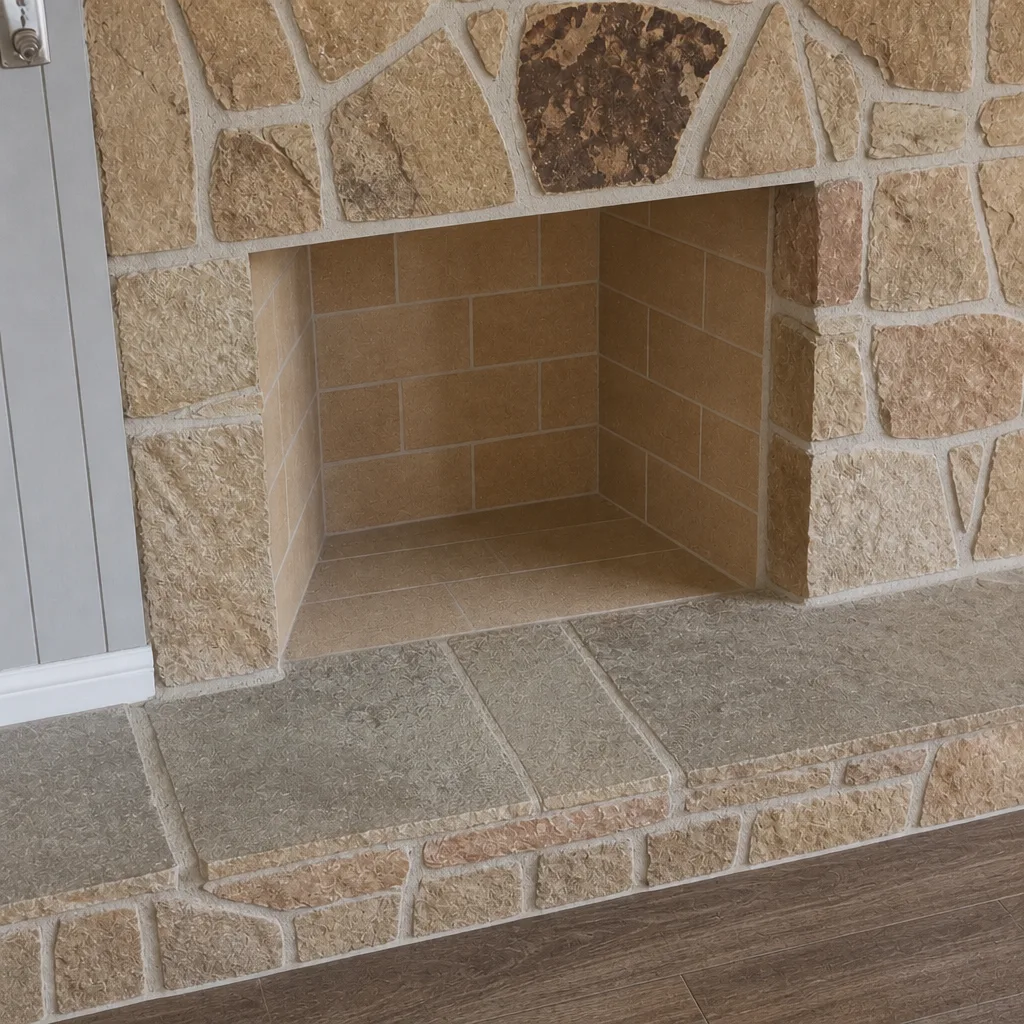
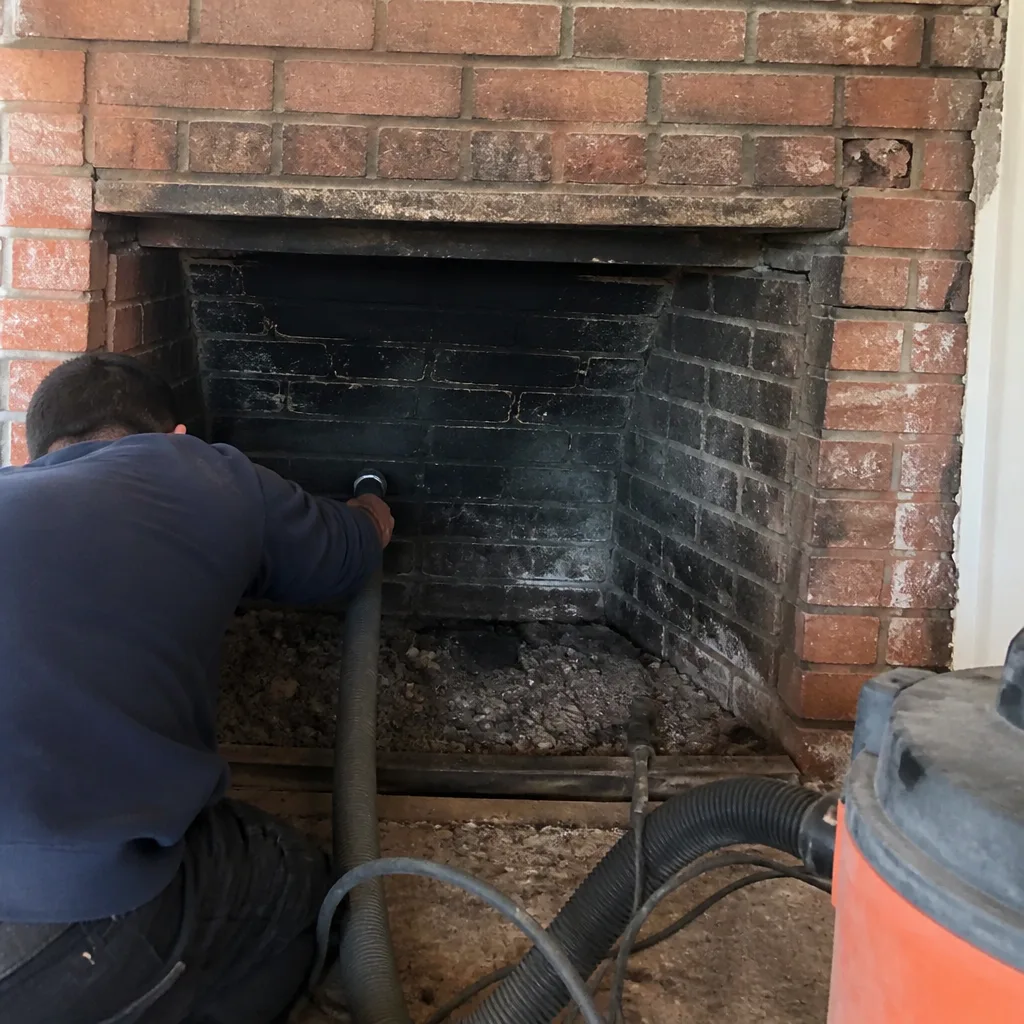
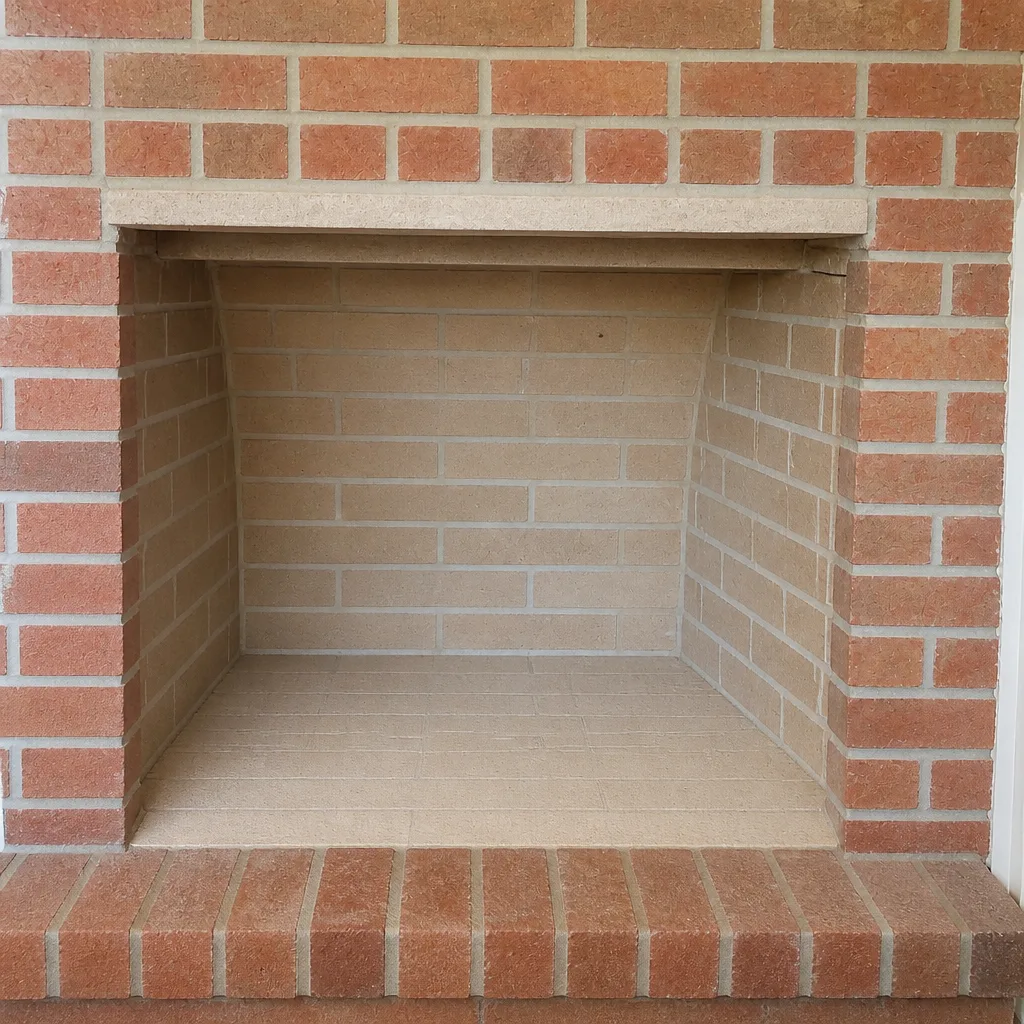
See the difference
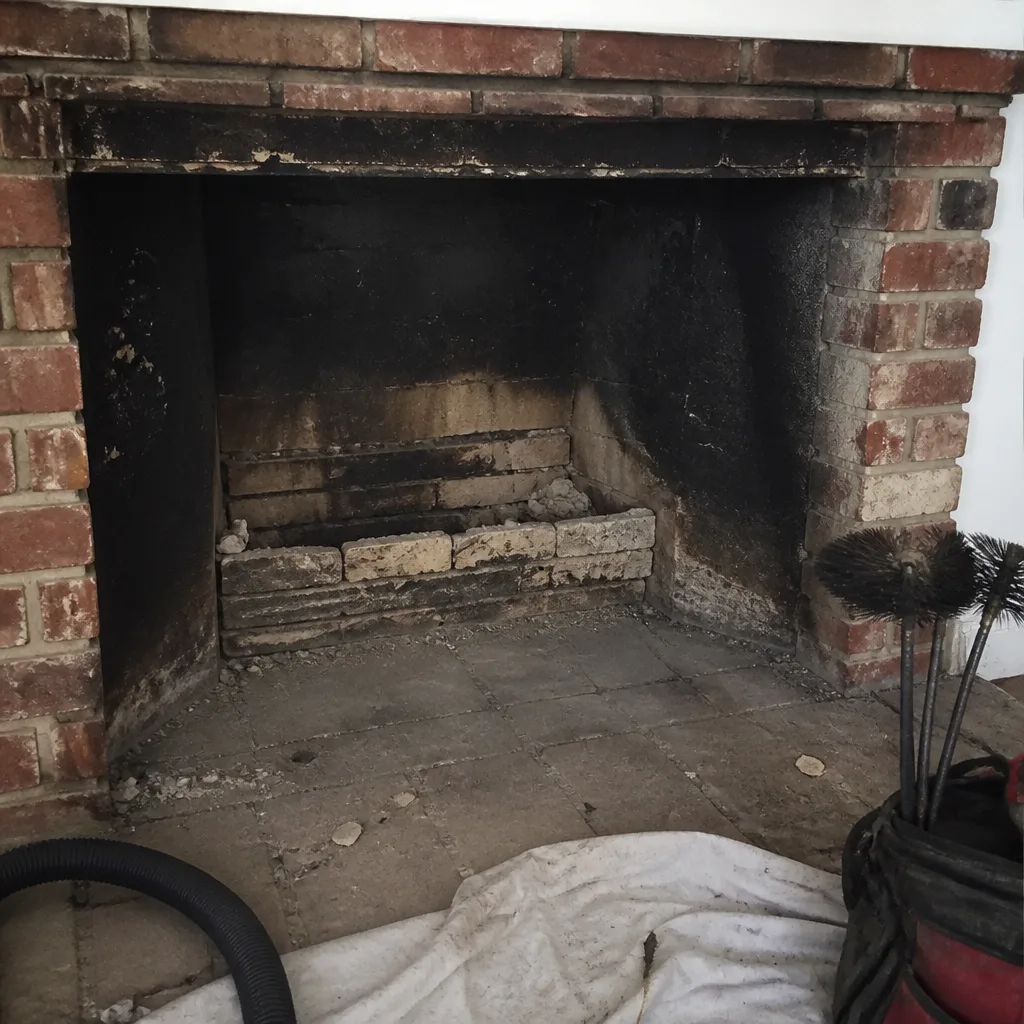 Before
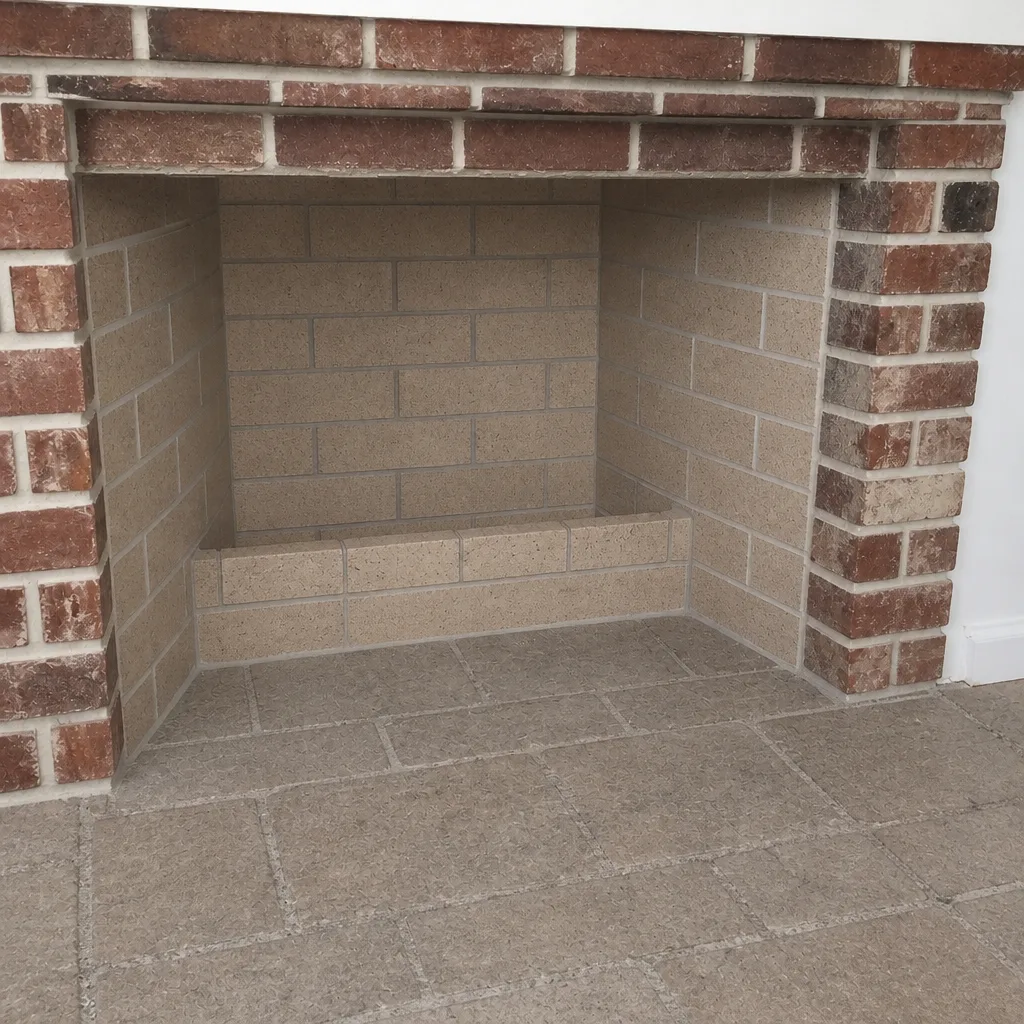 After
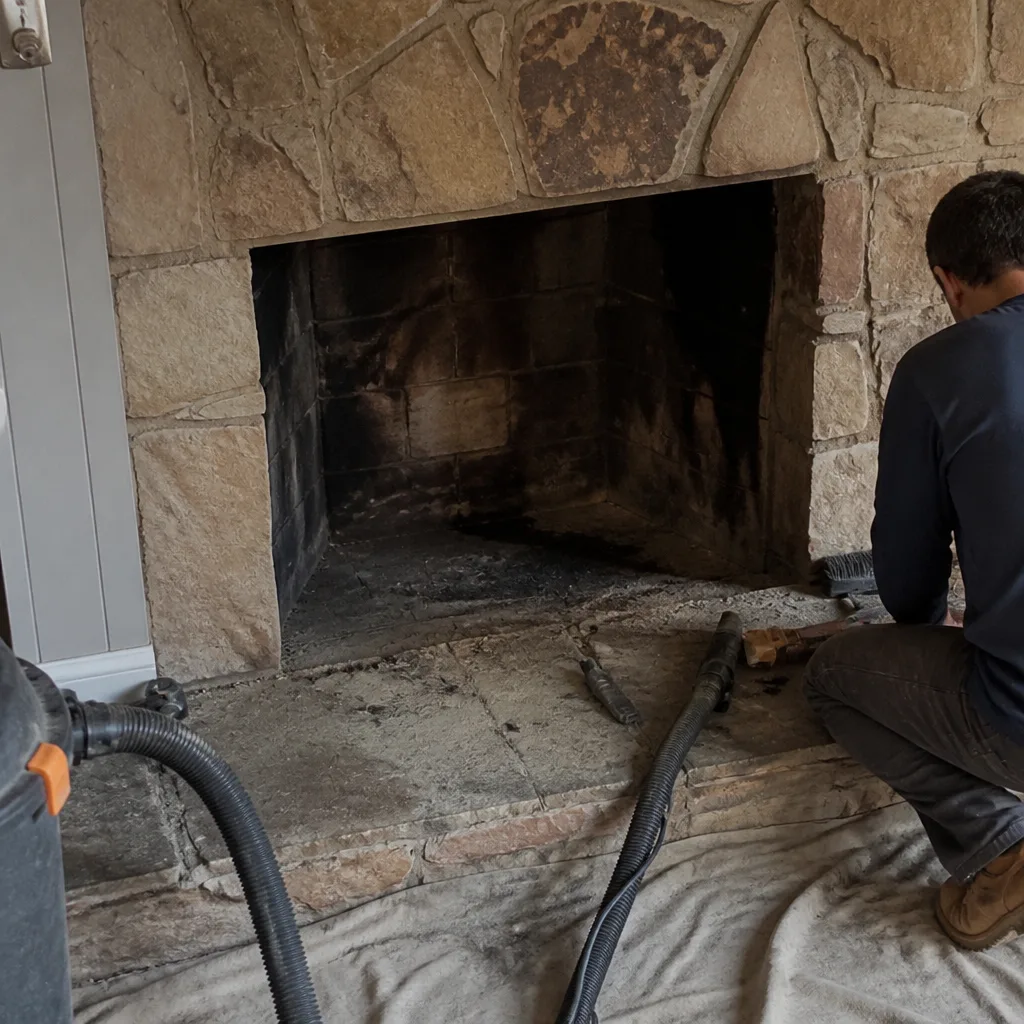 Before
 After
 Before
 After
When to Call a Professional
Call a professional when you see firebox cracks that grow between monthly checks, when the damper won’t hold position, when smoke spills into the room, when you smell smoke days after the last fire, or when you notice water stains near the chimney. On the gas side, any gas odor is an immediate call. These are not items to watch for another season. They’re signals that something has already degraded beyond the homeowner-maintainable point. A Chimney Sweep Montebello visit starts with diagnosis, not a brush. We’ll assess the flue, show you what we find, and recommend the smallest correct fix, whether that’s a sweep, a cap replacement, a HeatShield resurfacing, or a liner in a complex flue that needs the flexibility only DuraFlex can provide. Montebello homeowners can call us for a free estimate at (833) 362-8107. We answer 24/7. Fast dispatch from 7am to 7pm, Sunday through Friday.
Frequently Asked Questions
Wood-burning fireplaces should be swept once per burning season at minimum, with a mid-season check if you burn more than two cords or use the fireplace most weekends. Gas fireplaces don’t need sweeping for creosote but should get an annual professional inspection. The mild winters in Montebello mean many homeowners use fireplaces more for ambiance than full-time heating, which actually creates more creosote per fire because the fires tend to be lower and cooler. If you’re unsure, call (833) 362-8107 and we’ll help you set the right interval.
The signs include cracks in the firebox mortar joints, a damper that sticks or won’t seal, water stains on ceilings near the chimney, crumbled mortar on the exterior brick, a crown with visible cracks, and smoke spilling into the room. In Montebello, the marine layer and seismic activity can accelerate crown and mortar deterioration, so a ground-level visual check twice a year is a good habit. Any crack you can fit a coin into is worth a professional look.
You can and should do the visual checks: firebox mortar, damper travel, exterior crown and cap from the ground, and documentation between visits. What you should not do yourself is anything involving the flue interior. The flue is where creosote accumulates and where cracks hide. A professional sweep with camera inspection is the only way to evaluate liner condition, and the training and equipment matter. We’re glad to walk you through what you can safely check on your own so you arrive at that professional visit with useful information.
A standard chimney sweep with inspection in Montebello typically falls between $200 and $350, depending on flue condition, access, and whether additional components like caps or dampers need attention. The final price is always set by a written estimate after we see the chimney. If the inspection finds liner damage, the repair conversation is separate and based on what the camera shows. Call (833) 362-8107 for a free estimate and a specific number for your chimney.
Yes. Gas fireplaces don’t produce creosote, but they have gas lines, thermocouples, ignition systems, log sets, and venting paths that all need annual inspection. A gas fireplace that runs regularly during a Montebello winter should see a professional once a year. The inspection checks for gas leaks, soot buildup on the logs, proper venting, and component wear. Skipping it because there’s no creosote is a mistake that trades a chimney fire risk for a gas and carbon monoxide risk.
Skipping one season of maintenance doesn’t usually create an emergency, but it does stack the risks. Creosote accumulates, a new crack goes undetected, water finds a gap in the crown and works on the masonry for another year. The common thread in expensive chimney repairs is late detection. A homeowner who skipped two seasons and then burned heavily through a third is often looking at a liner replacement that might have been a simple repair a year earlier. The documentation habit is the cheapest insurance you can buy, and it makes the next professional visit more productive.
The Bottom Line
A chimney maintenance checklist only works if every item on it exists because a specific component fails in a specific way. The firebox mortar joints and damper plate are where Montebello homeowners should focus their monthly attention, because those are the surfaces that degrade without obvious symptoms. Seasonal checks of the crown and cap catch water intrusion and animal entry before they compound. The service interval depends on fuel type, with wood burners sweeping annually and gas fireplaces getting an annual inspection. Documentation between visits turns a vague seasonal routine into a precise diagnostic record. And when the issue is beyond visual checks, the flue interior, the liner, the structural questions, a professional with camera inspection and contractor-grade materials is the only sensible call. That’s the difference between a checklist you ignore and one that actually protects the home.
Written by the team at Chimney Sweep Montebello, serving Montebello since 2015.