
Last updated November 4, 2026
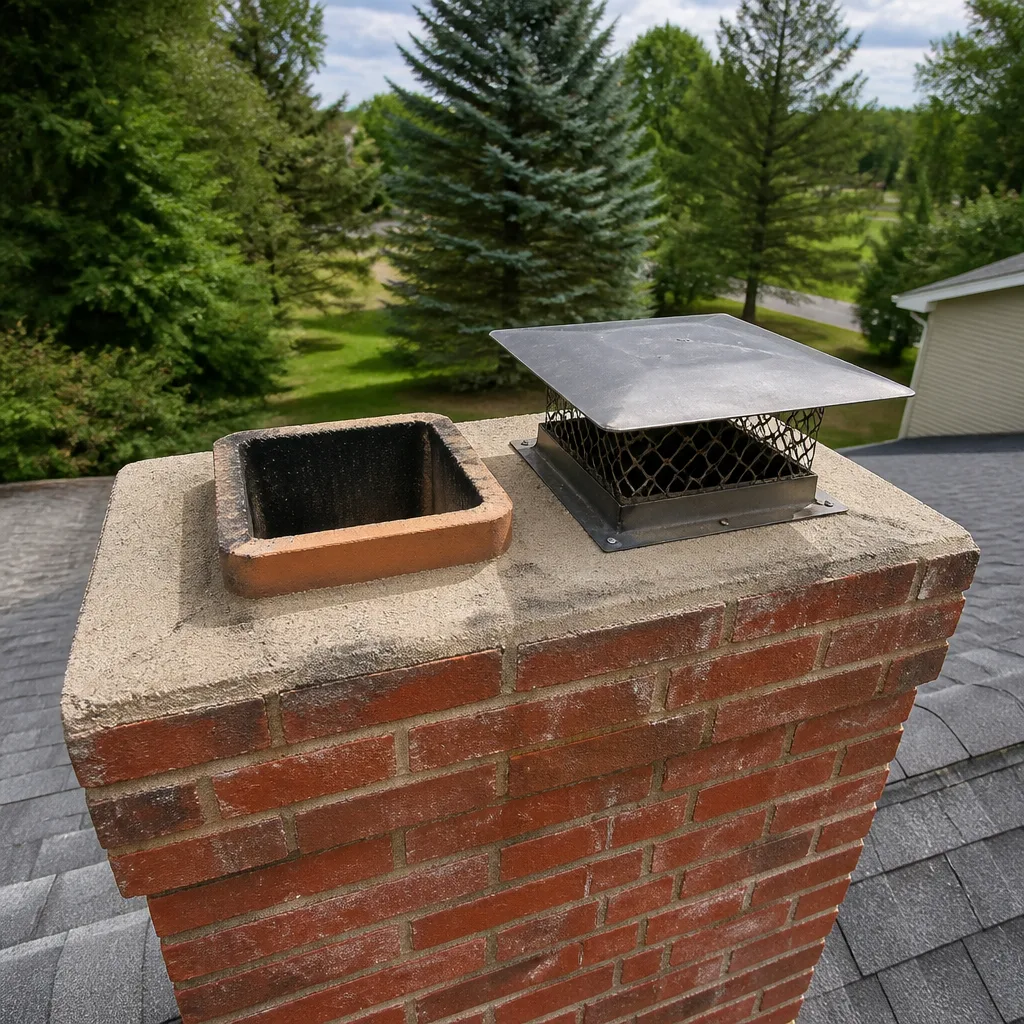 Sweep & inspection
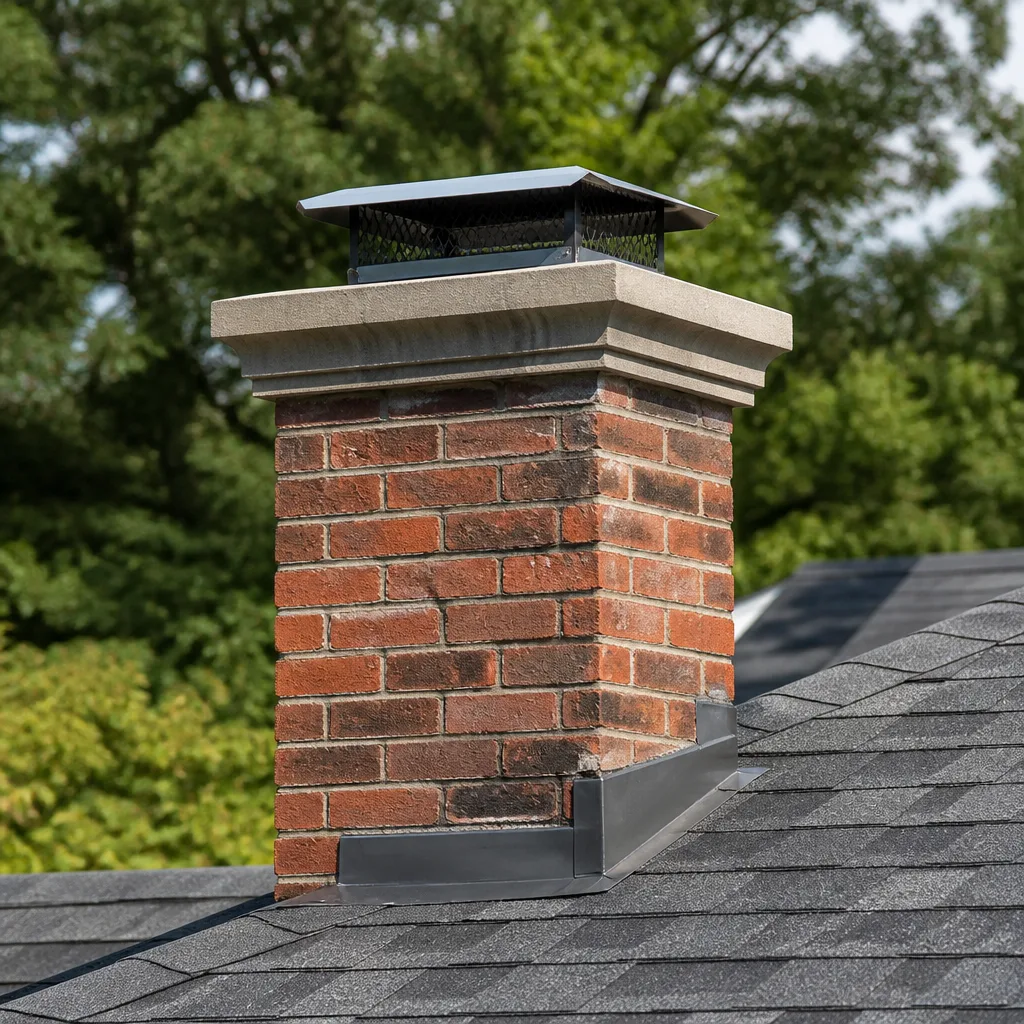 Caps & crowns
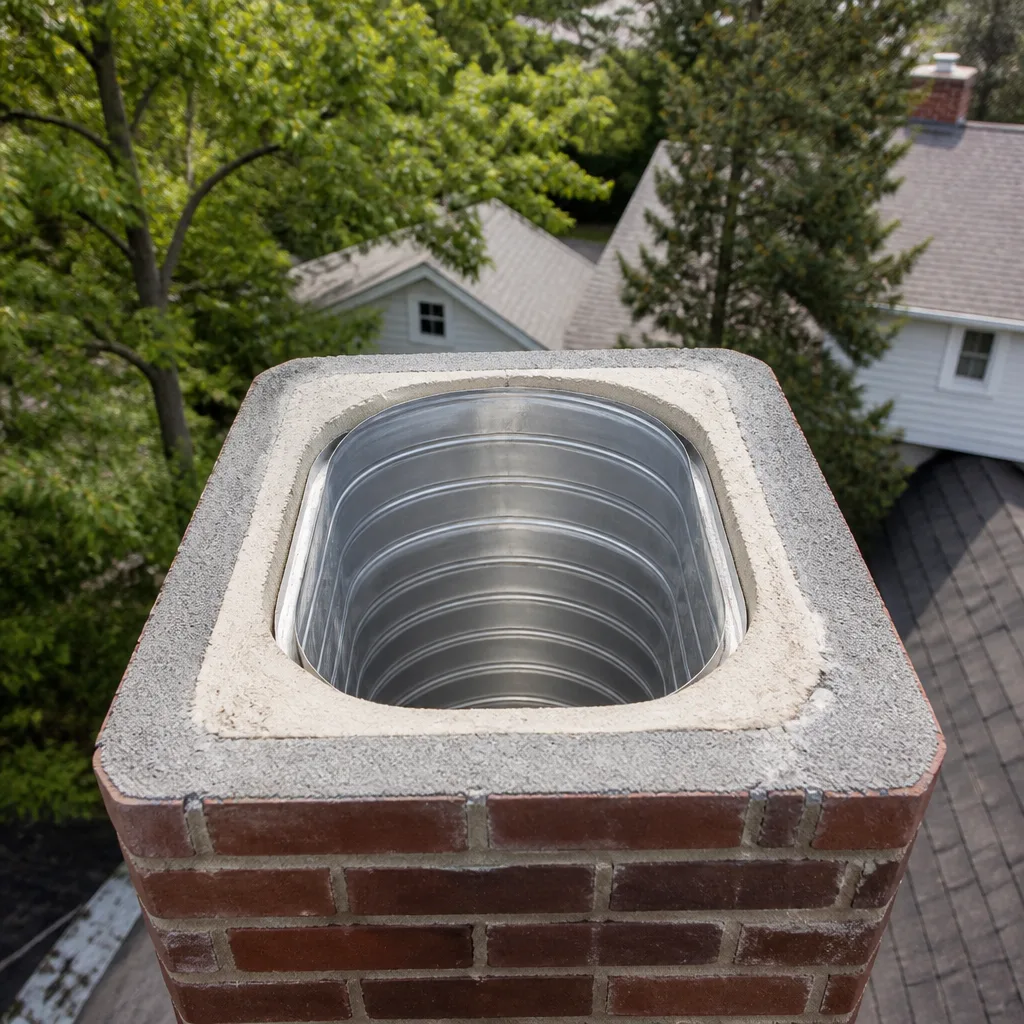 Flue relining
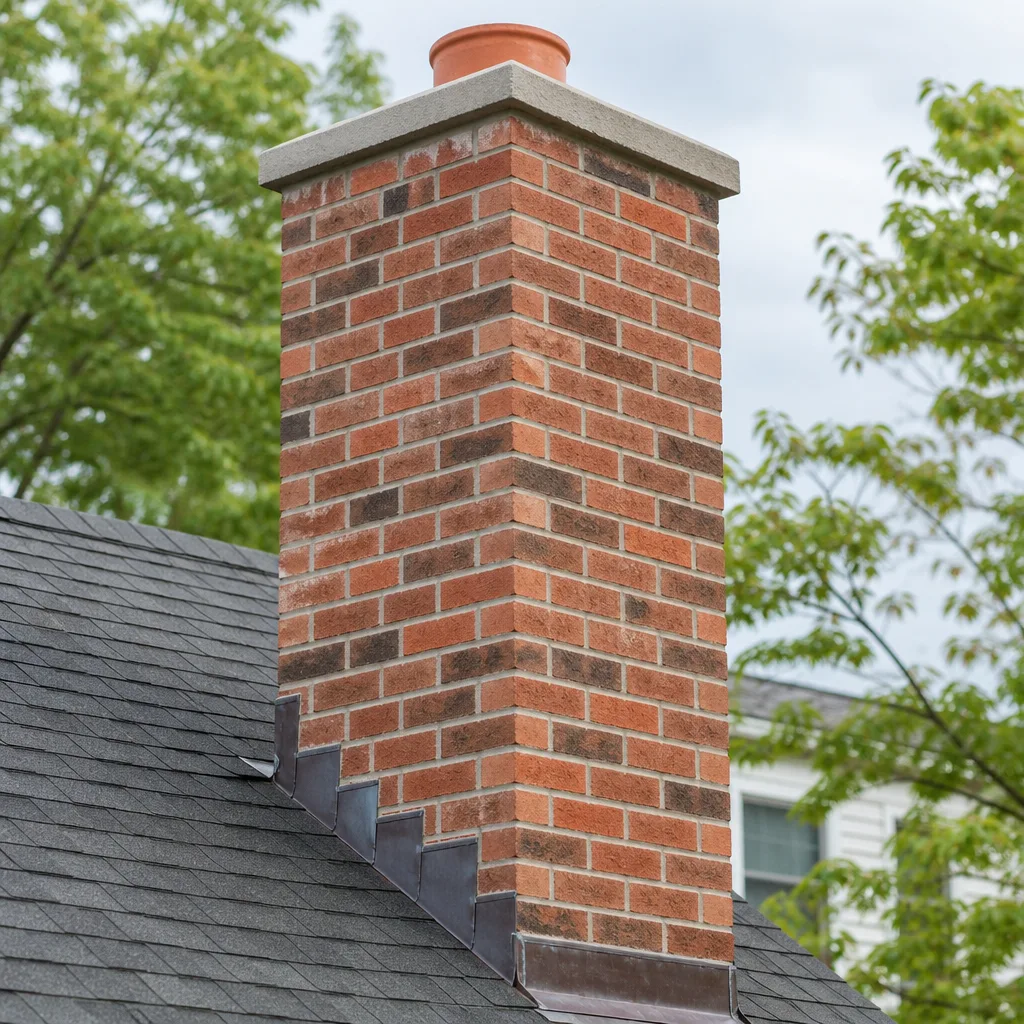 Masonry repair
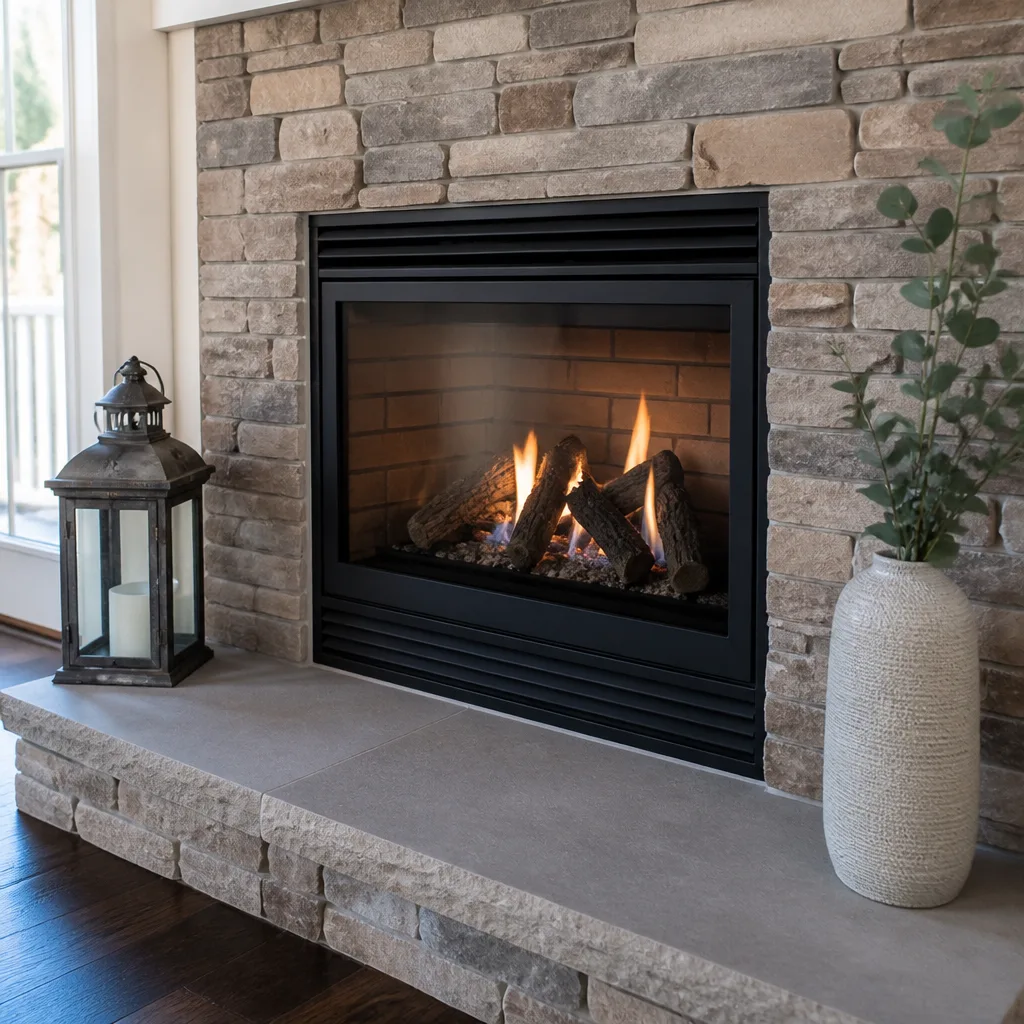 Gas fireplace service
Level 1 sweep and inspection to the NFPA 211 annual standard - flue, crown, cap, and flashing checked and photographed
Chimney sweep logs do not sweep chimneys. They loosen some creosote - which then falls where a brush and vacuum still have to collect it.
Chimney Cleaning Emergency Preparedness Guide for Montebello Homes
A chimney fire in a clay-tile-lined Montebello home doesn’t always announce itself with a roaring inferno. It often starts as a low rumble, almost like a distant freight train, or a sudden change in the sound of the draft. The homeowners who recognize those first signals and act within the first ten minutes have a structurally different outcome than those who wait to see if the noise subsides on its own. This guide walks through the 90-minute window between when a chimney problem first presents and when it can escalate into a structure fire or carbon monoxide event. It gives Montebello homeowners a protocol, not just awareness.
Quick Answer
Chimney emergency preparedness for Montebello homes means knowing how to recognize a chimney fire in progress, execute the correct immediate response, and understand the post-incident inspection requirements before the fireplace is used again. Every home should have a pre-season emergency kit that includes a chimney fire suppressant canister, properly placed CO detectors, and the phone number for both 911 and a qualified chimney sweep. After any chimney fire, NFPA 211 requires a Level II inspection before the fireplace returns to service.
Styles & brands we work with
- Sweep & inspection
- Caps & crowns
- Flue relining
- Masonry repair
- Gas fireplace service
Table of Contents
- Recognizing a Chimney Fire in Progress: The Sensory Indicators
- The Correct Immediate Response Sequence
- CO Intrusion Scenarios from Chimney Failures
- Post-Event Protocol: What a Level II Inspection Must Cover
- Building a Pre-Season Emergency Kit
- Chimney Risks Specific to Montebello Homes
- Common Mistakes to Avoid
- When to Call a Professional
- Frequently Asked Questions
Recognizing a Chimney Fire in Progress: The Sensory Indicators
A chimney fire is not always a visible blaze shooting from the top of the flue, though that certainly happens. In many cases, the fire is contained within the chimney structure itself, burning through creosote deposits that have accumulated along the flue walls. The first indicators are sensory: sound, smell, and draft behavior.
The sound is often described as a low rumble or roar, similar to a train passing at a distance or a heavy wind rushing through a tunnel. Some Montebello homeowners have compared it to the sound of a jet engine idling overhead. The key distinction is that normal fireplace combustion produces a soft crackle. A chimney fire produces a sustained, mechanical-sounding rush.
The smell shifts as well. Normal wood smoke has a familiar campfire quality. During a chimney fire, the creosote burns at a much higher temperature, producing an acrid, chemical-like odor that lingers even after the fire is out. Homeowners sometimes notice this smell in rooms far from the fireplace.
Draft behavior changes. A healthy fire draws air up and out. A chimney fire can disrupt that draw, pulling smoke back into the living space or creating visible turbulence at the damper. If the draft suddenly reverses or the smoke exiting the chimney top changes color from gray to dense black or dark brown, that is a warning sign. In homes with clay tile liners, which are common throughout Montebello’s older housing stock, a chimney fire can crack tiles within minutes, compromising the liner’s ability to contain heat and gasses.
The Correct Immediate Response Sequence
When a chimney fire is suspected, the response sequence matters more than the intensity of the initial reaction. Acting in the right order prevents a contained flue fire from becoming a structure fire.
- Close the damper fully. This cuts the fire’s oxygen supply. Do not open the damper to “check” on things; oxygen feeds the fire.
- Evacuate everyone from the home. Do not attempt to inspect the chimney from the roof or probe the fire with fireplace tools.
- Call 911 from outside the house. Chimney fires can spread to the roof structure through cracked tiles or gaps in the masonry. The fire department will assess whether the heat has transferred to surrounding framing.
- Do not add water to the firebox. The thermal shock of cold water hitting hot masonry can crack the firebox and flue liner instantly. It also creates steam that can scald anyone nearby.
- Shut off the home’s gas supply at the meter if you know how to do so safely. If unsure, do not attempt it; wait for the fire department.
- After the fire department confirms the fire is out, call a chimney sweep before using the fireplace again. A chimney sweep with inspection capabilities will determine whether the flue liner survived.
What most homeowners do not realize is that a chimney fire can burn itself out, and the family goes to bed believing the problem is over. The damaged liner is now invisible behind the masonry wall. The next fire, even a small one, can push heat and combustion gasses directly into the home’s framing. This is why the post-fire inspection is not optional.
CO Intrusion Scenarios from Chimney Failures
Carbon monoxide does not need a fire to enter a Montebello home. It needs a path. A cracked flue liner, a blocked flue, or a downdraft event can each create that path silently.
A blocked flue is the most common scenario. Bird nests, fallen mortar, or accumulated creosote can restrict the venting path enough that combustion gasses back up into the living space. In Montebello’s mild winter climate, some homeowners go weeks between fires, which gives birds time to nest in uncapped flues.
A cracked liner creates a different problem. The flue liner contains heat and directs gasses upward. A crack does not need to be wide to allow CO to seep into wall cavities or adjacent rooms. Clay tile liners, standard in homes built before 1990 across Montebello, crack under the thermal stress of repeated heating and cooling cycles. Once cracked, the liner fails by design: it was never meant to conduct flue gasses through a secondary path.
Downdraft events occur when wind patterns, surrounding rooflines, or negative air pressure inside the home push air down the chimney instead of up. Homes with tight windows and running exhaust fans can pressurize in ways that overcome a weak draft. When this happens, CO from the fireplace can enter the home even with the damper open.
CO alarm placement is as important as having the alarm. Detectors should be placed within 15 feet of every sleeping area and on every level of the home. In Montebello’s ranch-style houses, a single detector in a hallway often covers the sleeping wing, but homes with split levels need one on each floor. Detectors should never be installed directly above a fireplace or in a garage, where nuisance alarms train occupants to ignore them. Replace units every 7 years and test them monthly during the burning season.
Post-Event Protocol: What a Level II Inspection Must Cover
After any chimney fire, a Level II inspection is the minimum standard before the fireplace is used again. NFPA 211 defines a Level II inspection as including all the visual components of a Level I inspection, plus access to the flue interior via video scanning. That access typically means the inspector sends a camera up the flue to document the liner’s condition.
For Montebello homeowners, the inspection answers three questions. First, is the flue liner intact after the fire? Second, has heat damaged the surrounding masonry or framing in ways that compromise the chimney’s structural integrity? Third, is there creosote residue in the flue that could reignite?
A video inspection produces photographs the homeowner can see. Nothing should be recommended based on an inspector’s word alone. When liner damage is found, replacement is not always the only path. A system like HeatShield resurfacing can restore a damaged clay liner in many cases, applying a structural coating inside the existing flue rather than demolishing the chimney to replace it. When the liner has failed so thoroughly that it cannot support a resurfacing application, a DuraFlex flexible liner system can reline even offset and non-standard flue configurations without demolition work.
The inspection also documents what the homeowner’s insurance company will want to see. A written report with video evidence supports the claim and establishes that the home is safe to occupy. The written estimate for any repair work should specify the materials by name, which lets a homeowner verify that the product specified is the product installed. Names like Copperfield and Famco appear in contractor specifications because they meet the tables in the mechanical code, not because they happen to be on a supply house shelf.
Building a Pre-Season Emergency Kit
A pre-season chimney emergency kit is a small, dedicated container that stays near the fireplace from October through the last fire of spring. It should include the following:
- Chimney fire suppressant canisters. These are commercial products designed to be dropped into a burning firebox, where they release a flue-gas suppressant that starves the fire. They are not a substitute for calling 911, but they can slow a chimney fire in the minutes before the fire department arrives.
- Two phone numbers posted visibly. The first is 911. The second is (833) 362-8107, the number for Chimney Sweep Montebello. We answer 24/7. Fast dispatch from 7am to 7pm, Sunday through Friday.
- A CO detector log. Record the install date and the 7-year replacement date for every detector in the home. A battery change is not the same as a unit replacement; the sensor degrades over time regardless of battery condition.
- A basic fire extinguisher rated for Class A fires. Keep it at the room’s exit, not next to the fireplace. You want to be moving toward the exit when you grab it.
- The most recent chimney inspection report. In an emergency, the responding fire department or a repair technician benefits from knowing what the flue looked like at its last documented inspection.
The point of the kit is not to encourage homeowners to fight a chimney fire themselves. It is to reduce the gap between noticing the problem and getting professional help, and to ensure that the first responders and the follow-up technician have the information they need.
Chimney Risks Specific to Montebello Homes
Montebello’s housing stock skews toward homes built between 1950 and 1980, a period when clay tile flue liners were standard and fireplace construction varied widely in quality. The city’s mild winters mean fireplaces are often used intermittently rather than daily, which affects creosote accumulation in a specific way: fires that burn low and slow, started occasionally with wood that may not be fully seasoned, deposit creosote faster than hot fires burning continuously.
The homes here are also close together by design. A chimney fire in a Montebello neighborhood is not just a risk to the house where it starts; radiant heat from a chimney fire can ignite eaves, fascia, and roofing material on adjacent structures, particularly in the older neighborhoods where setbacks are minimal. This is one reason the fire department response to a chimney fire call includes checking surrounding structures.
The city’s terrain also matters. Montebello sits in a region where the air can be still for days at a time, which reduces natural draft. A chimney that draws fine on a breezy day may draw poorly during a Santa Ana condition inversion layer, when the air pressure inside and outside the home equalizes and the draft stalls. A stalling draft is not always a chimney defect; it can be a weather condition. But it is a weather condition that puts CO at risk if the fire is left unattended or the flue is already restricted.
Homes in the older neighborhoods north of Beverly Boulevard tend to have masonry chimneys with clay liners, while the hillside homes near Grant Rea Park often have taller chimneys with more complex roof intersections. Neither is inherently better or worse; they simply present different failure patterns. A taller chimney with multiple offsets accumulates creosote differently than a straight run. An inspection that notes the actual flue configuration, not just a visual glance at the firebox, is the baseline for any repair or cleaning recommendation.
Common Mistakes to Avoid
- Opening the damper wider during a chimney fire. This feels intuitive, like you are clearing a pathway, but it feeds oxygen to the creosote fire and accelerates it.
- Assuming the fire is out because the noise stopped. A chimney fire can burn itself out against the liner while the liner itself is now compromised. The quiet is not an all-clear.
- Pouring water on a chimney fire from the roof. This creates thermal shock that can shatter clay tiles and turn a contained flue fire into a structural problem. It also puts the homeowner on the roof during a fire.
- Skipping the post-fire inspection because the fireplace “looks fine.” The damage from a chimney fire is almost always behind the masonry wall, invisible from the living room. A visual check of the firebox reveals nothing about the flue liner’s condition 15 feet up.
- Installing a CO detector near the fireplace because that is “where the CO would come from.” Detectors near the fireplace false-alarm from normal combustion byproducts and get taken down. They belong near sleeping areas, where they detect CO before it incapacitates the occupants.
- Using the fireplace as an occasional novelty without any inspection history. Montebello homes that light one fire on Thanksgiving and one on New Year’s Eve still need annual inspection. Creosote does not care how often you use the fireplace; it cares how completely the wood burns, and intermittent fires are often the smokiest.
- Assuming a dryer vent cleaning and a chimney sweep are unrelated services. They both address combustion-exhaust risk and lint or creosote as ignition hazards. A home that pays attention to one and ignores the other has a gap in its fire-safety posture.
When to Call a Professional
Call a chimney professional before lighting the first fire of the season if you have not had an inspection in the past 12 months. Call immediately if you notice any of the following: a sudden change in how the fireplace draws, visible smoke entering the room when the damper is open, an acrid or burning smell that persists after the fire is out, flaking or powdery residue in the firebox, or any visible cracks in the chimney crown or exterior masonry. After any chimney fire, no matter how small it seemed, call for a Level II inspection before the next fire. Chimney Sweep Montebello offers free estimates in Montebello and the surrounding area. Call (833) 362-8107. We answer 24/7. Fast dispatch from 7am to 7pm, Sunday through Friday.
Frequently Asked Questions
What does a chimney fire sound like in a Montebello home?
A chimney fire sounds like a low rumbling roar, similar to a freight train passing nearby or a strong wind rushing through a tunnel, and it is sustained rather than crackling. Unlike normal fire noise, it does not pop and settle; it maintains a mechanical-sounding rush that comes from the flue rather than the firebox.
Should I call 911 or a chimney sweep first during a chimney fire?
Call 911 first, from outside the home, and evacuate everyone immediately. A chimney sweep is the follow-up call after the fire department has confirmed the fire is out and the structure is safe, but the fire department is the only responder equipped to handle an active fire.
Can I use my fireplace after a small chimney fire if it seems fine?
No, not until a Level II inspection has been completed and the flue liner has been documented as intact. A chimney fire that burned itself out may have cracked the clay tiles, and the next fire could push heat directly into the home’s framing.
How often should a Montebello chimney be swept?
The National Fire Protection Association standard calls for annual inspection and sweeping when creosote accumulation reaches 1/8 inch or more. In Montebello homes where fires are intermittent and wood is often less than fully seasoned, that threshold can be reached in a single season.
Why is CO alarm placement so important for chimney safety?
CO alarms placed near sleeping areas alert occupants before carbon monoxide reaches dangerous levels while they sleep. Placement near the fireplace creates false alarms that lead people to remove the detector, and a detector in the garage or kitchen provides no protection for the sleeping wing of the house.
What is included in a chimney cleaning in Montebello?
A Chimney Sweep Montebello cleaning includes a full inspection of the accessible chimney components, creosote removal from the flue, and a report of the liner’s condition. Call (833) 362-8107 for a free estimate on a sweep and inspection for your Montebello home.
The Bottom Line
Chimney emergency preparedness for Montebello homes is about closing the gap between a problem presenting and a professional addressing it. Learn the sensory signs of a chimney fire, know the correct response sequence, and keep a pre-season kit near the fireplace with the right suppressant canisters and phone numbers. After any chimney fire, a Level II inspection with video documentation is the only way to know whether the flue liner survived. The fireplace is a combustion appliance, and like any other combustion appliance, it needs inspection, maintenance, and a plan for when things go wrong. Call (833) 362-8107. We answer 24/7. Fast dispatch from 7am to 7pm, Sunday through Friday.
Written by the team at Chimney Sweep Montebello, serving Montebello since 2015.
See the difference
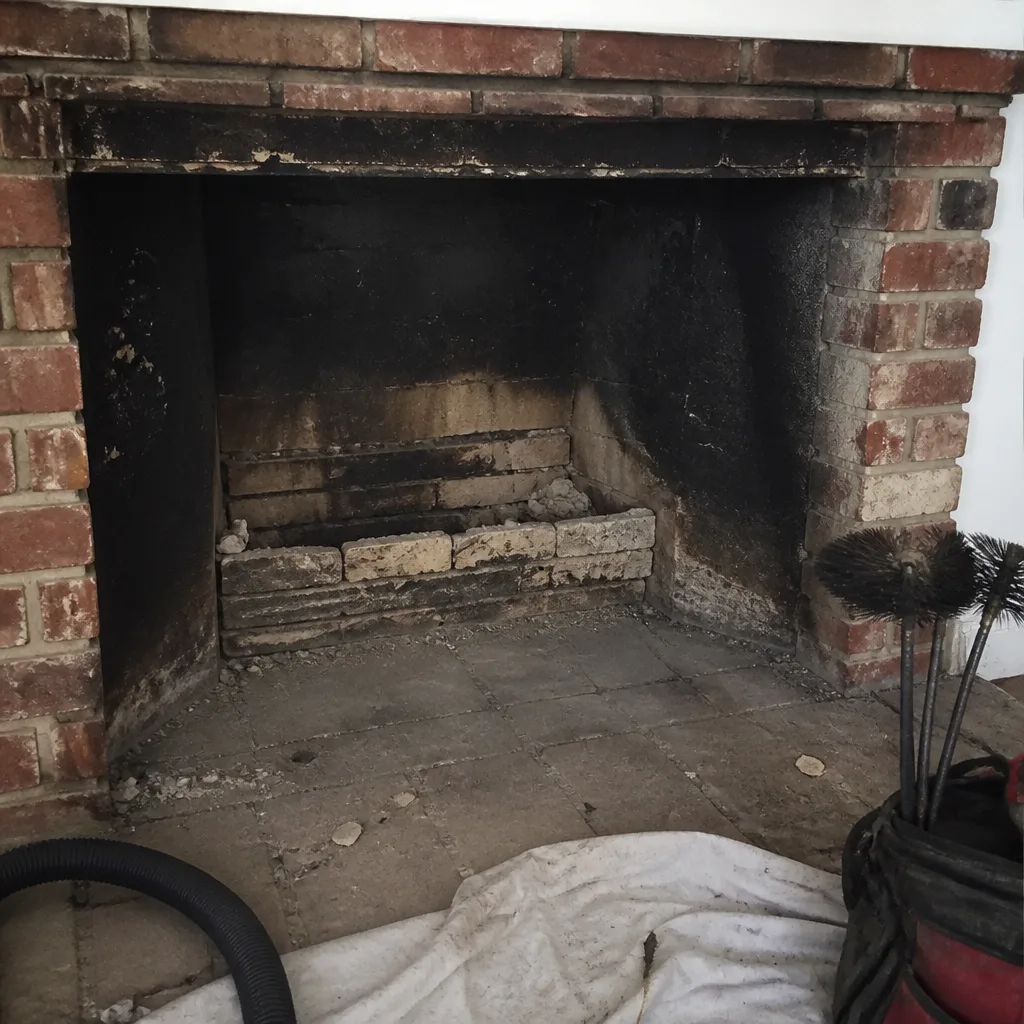 Before
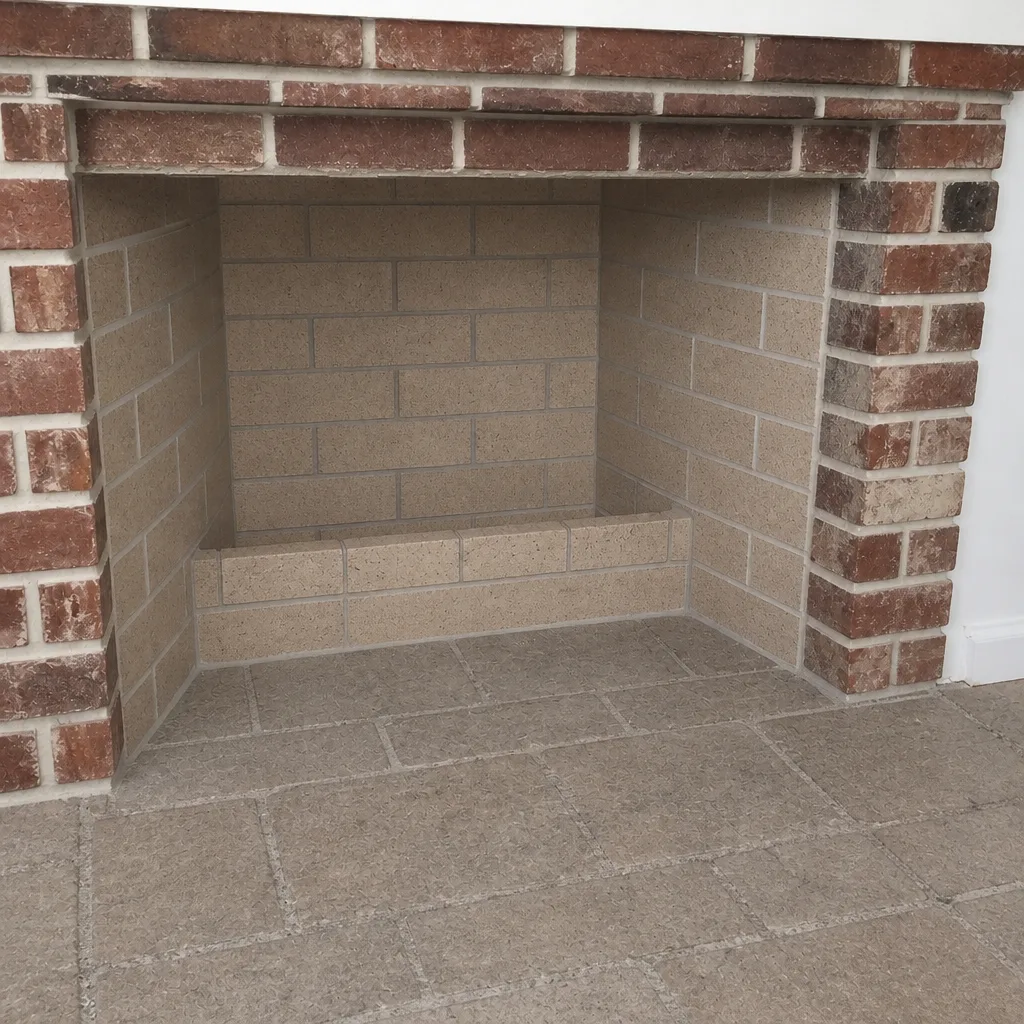 After
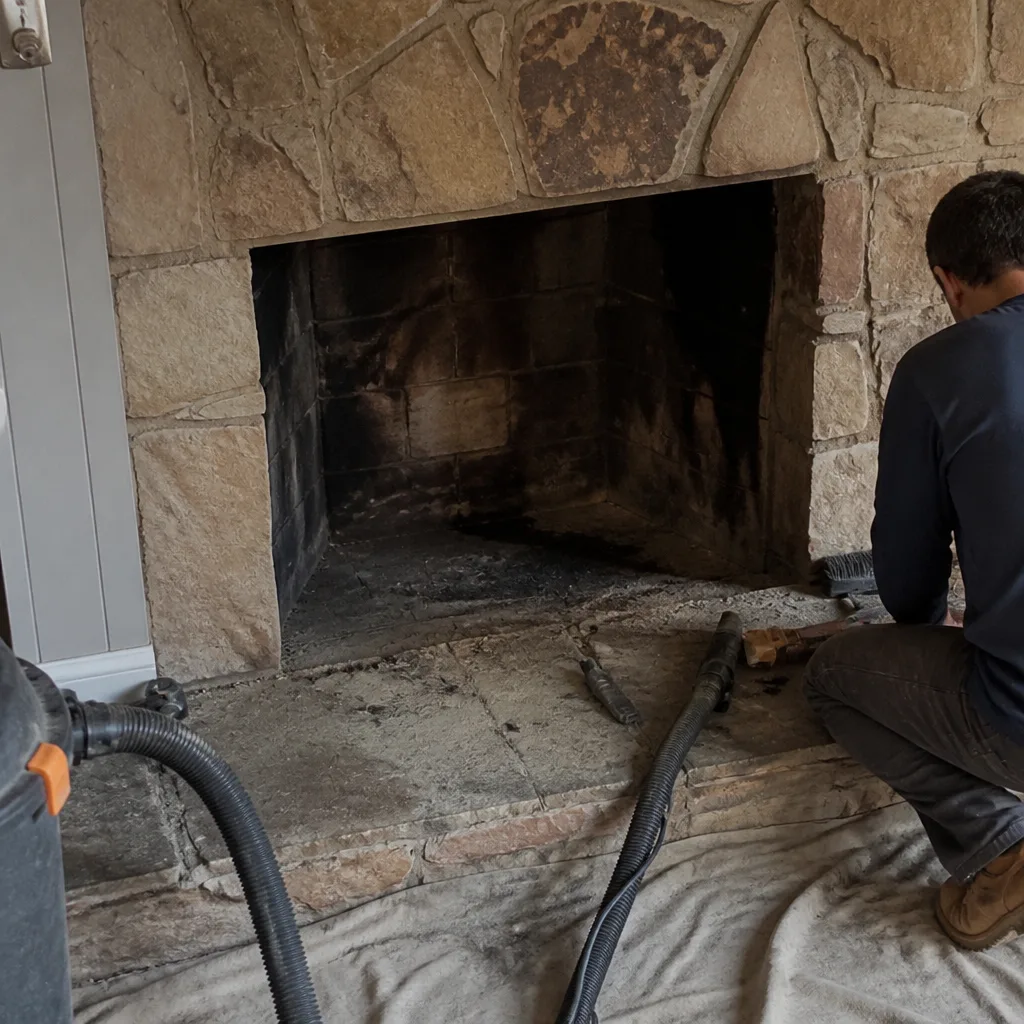 Before
 After
 Before
 After